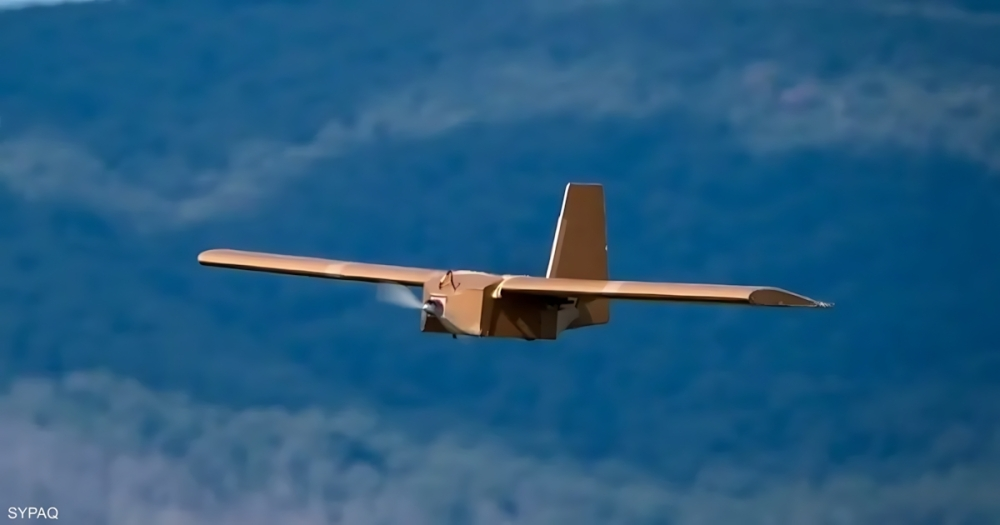
The European Commission has announced its intention to tighten regulations and registration requirements for drones, a strategic move aimed at bolstering security in the face of a series of mysterious drone incidents that sparked widespread concern across Europe last year. This step comes as a direct response to the growing risks this technology poses to critical infrastructure and national security.
At a press conference held at the European Parliament in Strasbourg, European Commissioner Magnus Brunner stated, “We have often been too slow and were caught off guard by the threat posed by drones.” This statement reflects a growing awareness at the European level of the need for swift and decisive action to establish a robust regulatory framework that keeps pace with technological advancements and the associated risks.
Background and historical context of the growing threats
These concerns are not unfounded. Recent years have witnessed a significant shift in the use of drones, from specialized tools to widely available technology. Several European countries, including Denmark, Belgium, and Germany, have recorded incidents of unidentified drones flying over sensitive areas, sometimes paralyzing air traffic at major airports or posing a threat to military sites and nuclear facilities. These incidents, for which the perpetrators have often not been identified, have exposed serious security vulnerabilities in European airspace.
The current geopolitical context, particularly the war in Ukraine, has highlighted the crucial role drones can play in modern conflicts, whether for reconnaissance or direct attacks. Russia’s extensive use of drones, including its incursions into the airspace of countries like Poland, has heightened European awareness and the understanding that this technology can be a key tool in hybrid warfare, aimed at destabilizing states without direct military confrontation.
The importance of the decision and its expected effects
The new European program aims to provide the EU's 27 member states with a unified framework and effective tools to better respond to these threats at the civilian level. Instead of each country developing its own policies, the EU seeks to coordinate efforts to ensure there are no loopholes that can be exploited. The new measures are expected to include stricter mandatory registration requirements for all types of drones and the implementation of remote identification technologies that allow authorities to identify the aircraft and its operator in real time.
Regionally, this decision strengthens the collective security of the European Union and represents a significant step towards building a more integrated common defense and security policy. Internationally, the move by an economic and political bloc the size of the EU to establish strict standards for regulating drones sets a precedent for the rest of the world, potentially encouraging other countries to adopt similar measures. A preliminary plan to counter the military threat posed by these aircraft is expected to be announced in 2025, underscoring Brussels' seriousness in addressing this issue in both its civilian and military dimensions.