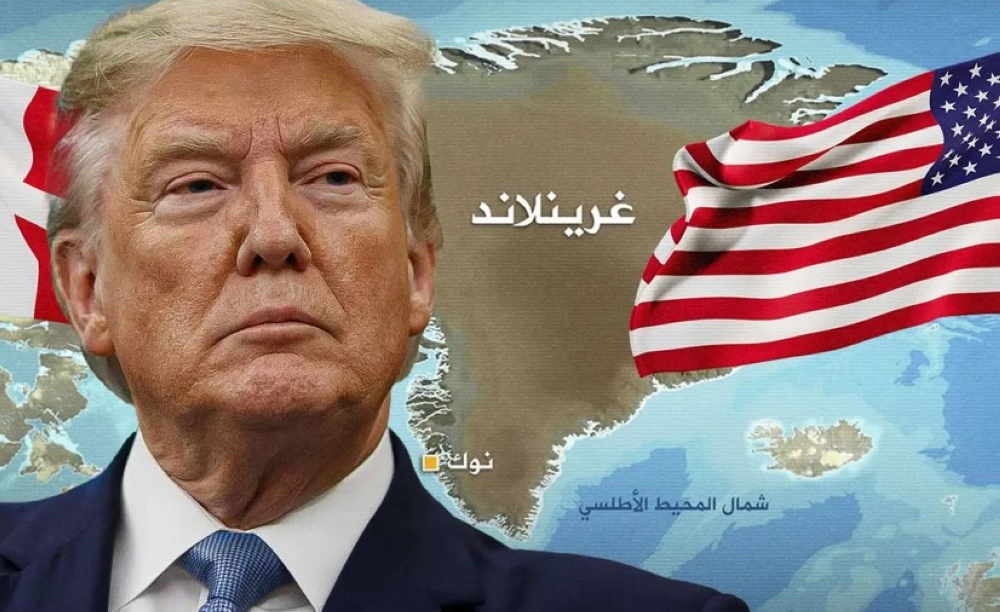
The European Union on Monday expressed its full and unconditional solidarity with Denmark and the people of Greenland, in a firm response to recent US actions that revealed renewed ambitions by US President Donald Trump regarding the self-governing Danish territory. This unified European stance reaffirms the principles of international law in the face of what Copenhagen described as unacceptable provocations.
A unified European position: Sovereignty is a red line
In a move reflecting the depth of European concern, European Commission President Ursula von der Leyen and European Council President António Costa affirmed in a joint statement via the X platform that "territorial integrity and national sovereignty are fundamental and inviolable principles of international law." The two European officials added that respect for these principles is not merely an internal matter for the European Union, but a cornerstone of international relations and global stability, emphasizing that Europe stands united behind Copenhagen.
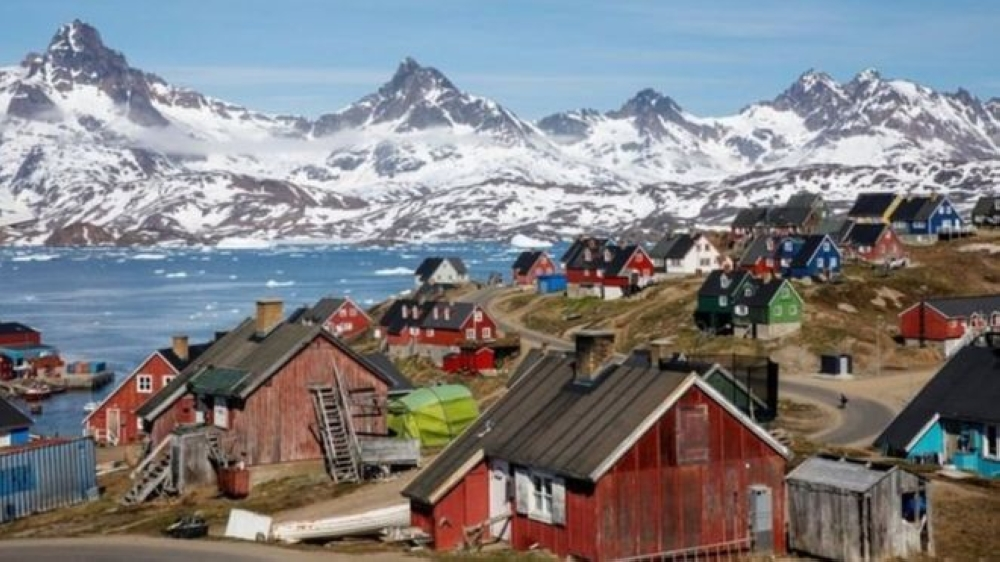
Anger in Copenhagen and the ambassador is summoned
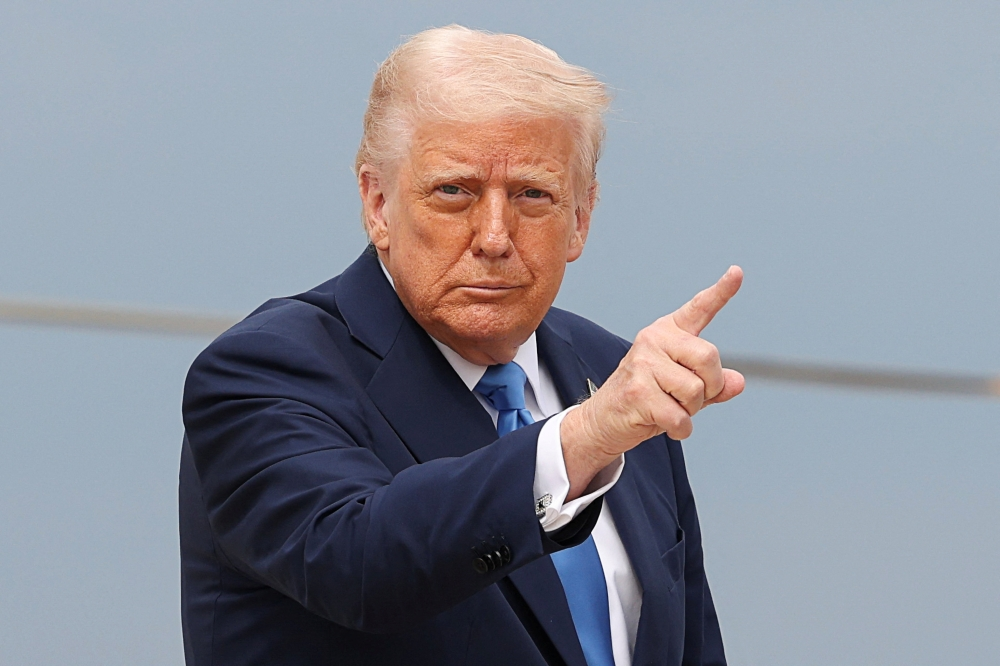
In Denmark, the US president's decision to appoint a special envoy to Greenland—whose statements hinted at a desire to annex the territory—was met with a wave of official anger. Danish Foreign Minister Lars Løkke Rasmussen told local TV2 channel in sharp terms: "I am outraged by the appointment and the accompanying statement, and I consider this completely unacceptable in relations between allies.".
The Danish Foreign Ministry confirmed its intention to summon the US ambassador in Copenhagen in the coming days to lodge a formal protest and request urgent clarifications regarding the nature of the mission assigned to the new envoy, and whether it represents a radical change in US policy towards the sovereignty of the Kingdom of Denmark.
The strategic importance of Greenland: Why the interest?
American interest in Greenland is not new; the world's largest island is gaining increasing geopolitical importance. Greenland's strategic location in the Arctic makes it a gateway to controlling new shipping lanes that may open due to melting ice, in addition to its proximity to rival superpowers like Russia.
In addition to its military significance—the island hosts Thule Air Base, a vital part of the US missile early warning system—Greenland is rich in natural resources. Geological studies indicate that its subsoil contains significant quantities of rare earth minerals, oil, gas, and uranium—resources that global powers are vying to secure amidst fierce economic competition with China.
Historical background: This is not the first attempt
It is worth noting that this is not the first time Washington has expressed interest in acquiring Greenland. In 1946, US President Harry Truman offered Denmark $100 million in gold to purchase the island, an offer that was rejected. The debate resurfaced in 2019 during Trump's first term when he proposed buying the island, an idea then-Danish Prime Minister Mette Frederiksen described as "absurd," leading to a temporary diplomatic row and the cancellation of a planned US presidential visit to Denmark.
The current escalation reopens the transatlantic relations file and raises questions about the future of cooperation in the Arctic region, given the US administration’s insistence on dealing with the region in terms of real estate deals, while the Europeans and the people of Greenland hold fast to their right to self-determination and national sovereignty.