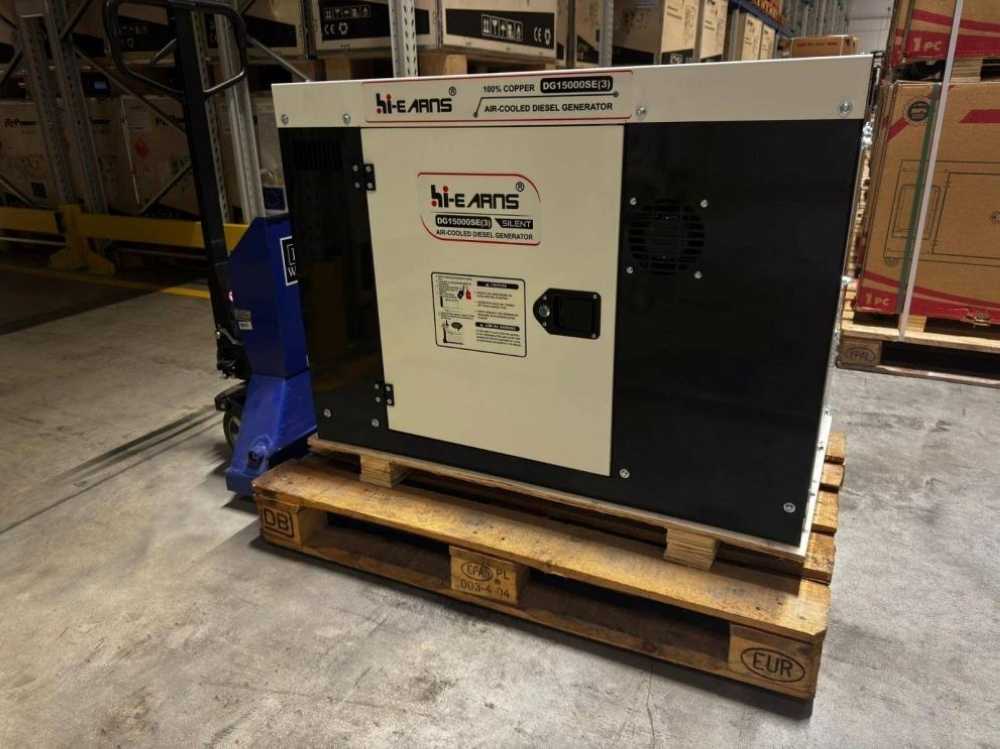
The European Union announced on Friday a new emergency measure to support the Ukrainian people during the harsh winter by sending 447 generators. This move comes in response to the severe shortages of electricity and heating supplies affecting millions of Ukrainians as a result of Russia's ongoing and systematic attacks on the country's energy infrastructure.
Details of the new European aid
The European Commission explained that these generators, which will be delivered via Poland, are intended to ensure the continued operation of vital facilities. This equipment will play a crucial role in providing electricity to hospitals, shelters, water pumping stations, and other essential services, particularly as temperatures plummet to freezing levels.
Context of the energy crisis in Ukraine
For months, Ukraine has been living under the weight of a Russian military strategy directly targeting power plants and electricity transmission networks. According to a statement from the European Commission, nearly one million Ukrainians are currently without heating or electricity, leaving them directly exposed to life-threatening cold. These attacks are part of an attempt to exert pressure on the Ukrainian home front by weaponizing winter, making the repair of the power grid a race against time.
The size of accumulated European support
This shipment is not the first of its kind; the European Union continues to mobilize its resources through the European Civil Protection Mechanism (RescEU). The total number of generators the EU has sent to Ukraine so far has reached approximately 9,500, of various sizes and capacities. Furthermore, before the onset of winter, Ukraine received a complete thermal power plant donated by Lithuania, a move reflecting broad European solidarity in addressing the losses to the Ukrainian national grid.
Strategic and humanitarian importance
These generators are of paramount importance, extending far beyond simply providing lighting. They are a lifeline for medical facilities that require a stable power supply for surgeries and intensive care unit operations. They also help maintain central heating systems in major cities, preventing a humanitarian catastrophe that could result from frozen water and sewage pipes. This ongoing support underscores the European Union's commitment to standing by Kyiv not only militarily and politically, but also in terms of humanitarian aid and services, ensuring the continued functioning of the state and its institutions under the most challenging circumstances.