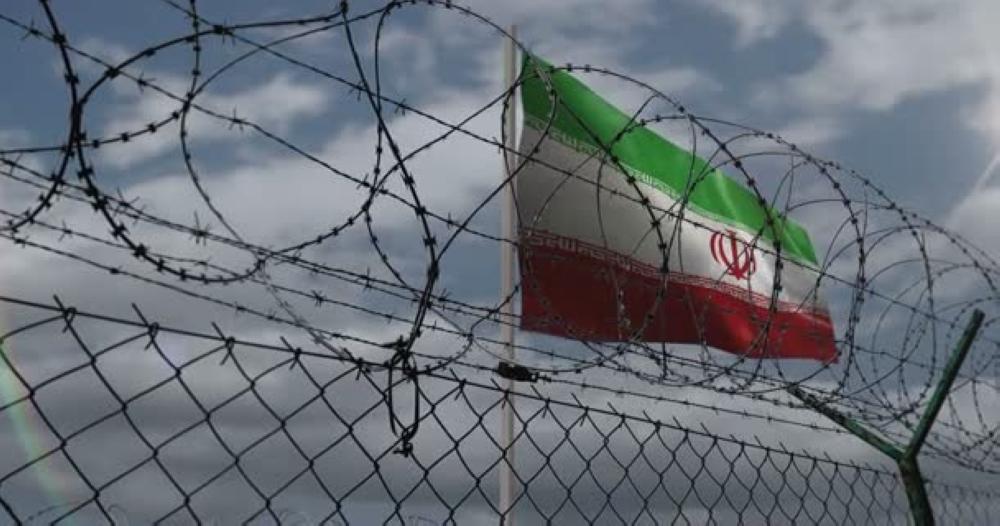
في خطوة تعكس الموقف الأوروبي الحازم تجاه انتهاكات حقوق الإنسان في إيران، أعلن الاتحاد الأوروبي عن فرض حزمة جديدة من العقوبات استهدفت مسؤولين إيرانيين بارزين، من بينهم وزير الداخلية وقادة في الحرس الثوري الإيراني. يأتي هذا القرار كرد فعل مباشر على حملة القمع العنيفة التي شنتها السلطات الإيرانية ضد الاحتجاجات الواسعة التي اندلعت في البلاد.
خلفية الاحتجاجات وسياقها التاريخي
تعود جذور هذه الموجة من العقوبات إلى الاحتجاجات التي اندلعت في سبتمبر 2022 عقب وفاة الشابة مهسا أميني البالغة من العمر 22 عامًا، أثناء احتجازها لدى “شرطة الأخلاق” في طهران بتهمة عدم الالتزام بقواعد الحجاب الصارمة. أثارت وفاتها غضباً شعبياً عارماً، وأشعلت فتيل أكبر حركة احتجاجية تشهدها إيران منذ سنوات تحت شعار “امرأة، حياة، حرية”. امتدت المظاهرات إلى كافة أنحاء البلاد، وقادتها النساء والشباب الذين طالبوا بحريات مدنية أوسع وإنهاء القمع الممنهج.
تفاصيل العقوبات الأوروبية الجديدة
وفقاً للائحة التي نُشرت في الجريدة الرسمية للاتحاد الأوروبي، شملت العقوبات 15 مسؤولاً وستة كيانات إيرانية. ومن أبرز الأسماء التي طالتها العقوبات وزير الداخلية الإيراني، اسكندر مؤمني، والمدعي العام، محمد موحدي آزاد، وهما شخصيتان محوريتان في الجهازين الأمني والقضائي المسؤولين عن تنفيذ حملة القمع. تشمل هذه الإجراءات تجميد الأصول ومنع المسؤولين المستهدفين من الحصول على تأشيرات لدخول دول الاتحاد الأوروبي، في محاولة لعزلهم دولياً ومحاسبتهم على دورهم في الانتهاكات.
الأهمية والتأثير المتوقع للقرار
تكتسب هذه الخطوة أهمية بالغة على الصعيدين المحلي والدولي. فعلى المستوى المحلي، تبعث العقوبات برسالة دعم قوية للمحتجين الإيرانيين، وتؤكد أن المجتمع الدولي يراقب ما يحدث ولن يتسامح مع العنف المفرط ضد المدنيين. أما على الصعيد الدولي، فإنها تمثل تصعيداً في الضغط الدبلوماسي على طهران، وتزيد من عزلتها السياسية والاقتصادية. وتأتي هذه العقوبات في وقت حساس، حيث من المرجح أن يوافق وزراء خارجية التكتل على خطوة أكثر جرأة، وهي تصنيف الحرس الثوري الإيراني، الذي يُعتبر القوة الضاربة للنظام والمسؤول الرئيسي عن قمع المعارضة، كـ”منظمة إرهابية”. إن اتخاذ مثل هذا القرار سيكون له تداعيات بعيدة المدى على العلاقات بين أوروبا وإيران، وقد يعقد الجهود المبذولة لإحياء الاتفاق النووي، ويؤثر على الديناميكيات الجيوسياسية في منطقة الشرق الأوسط بأكملها.