The EU's foreign policy chief, Kajja Klaas, announced that the foreign ministers of the member states showed no inclination during their recent meeting to expand their current operation in the Red Sea to include securing the Strait of Hormuz . This stance was expressed at a press conference held on Monday following a meeting of the foreign ministers of the 27 EU member states in Brussels, Belgium, where discussions focused on ways to protect maritime navigation and ensure the stability of global supply chains without resorting to a large-scale military escalation.
Strategic importance and history of navigation in the Strait of Hormuz
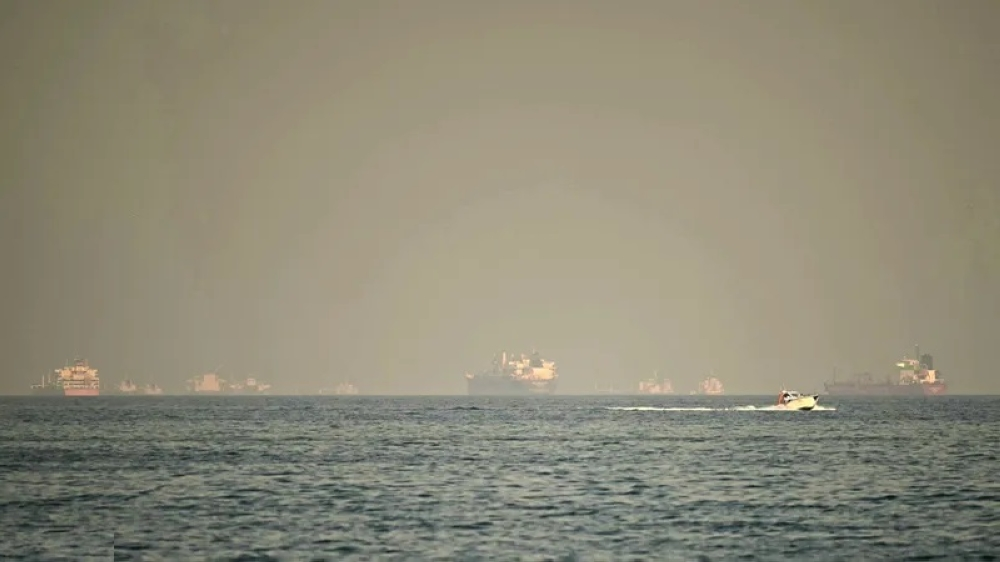
The Strait of Hormuz is one of the world's most strategically important waterways, connecting the Persian Gulf, the Gulf of Oman, and the Arabian Sea. Historically, it has been a vital chokepoint for global trade, particularly energy supplies, with approximately one-fifth of the world's daily crude oil consumption passing through it, in addition to vast quantities of liquefied natural gas. Over the decades, the strait has witnessed numerous geopolitical tensions, most notably the "Tanker War" of the 1980s, making it a sensitive flashpoint affected by any regional conflict. Any threat to maritime traffic in the strait has immediate repercussions for global energy markets, explaining the intense international interest in its security and stability.
Europe's priorities: food and energy before military escalation
In a related context, Klass explained that resuming the flow of fertilizer, food, and energy shipments is a pressing priority for the European Union at present. While noting a clear desire in our discussions to strengthen this process, she added that the proposal to amend the mandate of Operation Aspides—the EU's maritime defense mission in the Red Sea to protect commercial shipping—has not garnered significant support from member states for extending it into the Strait of Hormuz. The European official emphasized the prevailing sentiment, stating, "No one wants to be actively involved in this war," and affirming that there is currently no political will to modify the mandate granted to the European naval forces.
Divergent positions and options within the bloc
Ahead of the ministerial meeting, Klass stated, “It is in our interest to keep the straits open, and that is why we are also exploring what we can do in this regard.” She suggested that amending the mandate of Operation Aspidis might be the quickest way for EU member states to enhance maritime security in the region. However, a clear divergence of opinion emerged within the EU; several key and influential member states, including Italy, Spain, and Germany, expressed their reservations about the idea, preferring to proceed cautiously and avoid any actions that could be interpreted as a direct military escalation in a region already fraught with tensions.
International repercussions and the positions of global powers
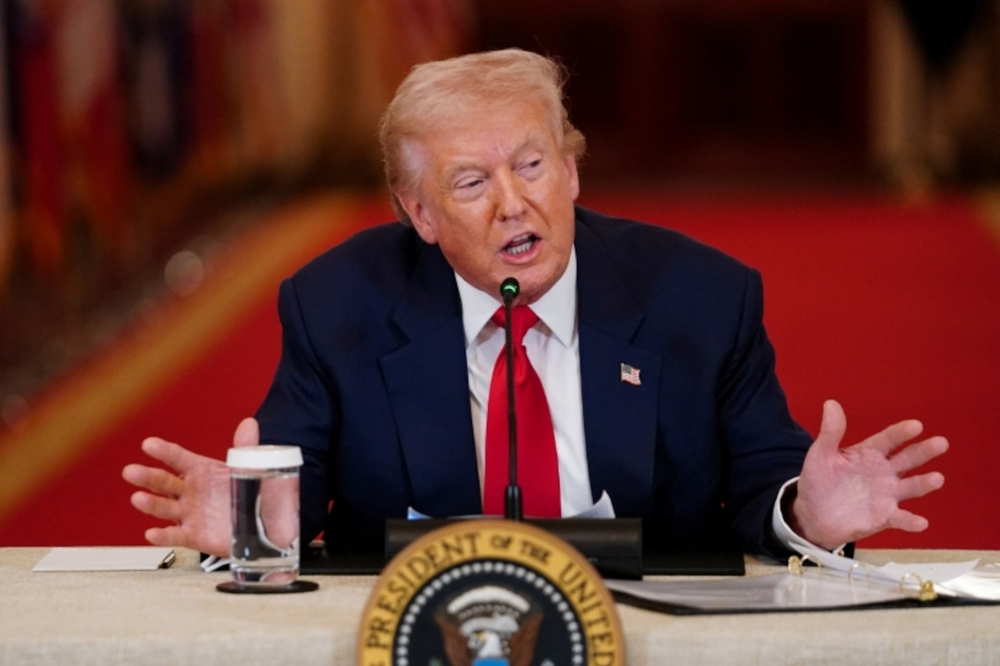
The European decision not to expand its military presence has significant regional and international implications, casting a shadow over existing security alliances and the distribution of the burden of protecting maritime navigation. In this context, US President Donald Trump called on NATO member states on Sunday to actively contribute to helping Washington secure shipping through the straits. Trump warned that NATO could face a “very bleak future” unless its allies take this strategic step.
On the other hand, France appears more willing to act unilaterally or within smaller alliances. Last week, French President Emmanuel Macron announced that Paris and its allies were preparing a defensive mission aimed at reopening the Strait of Hormuz and securing its shipping lanes, while simultaneously pledging to increase France's military contribution to Operation Aspidis. This situation reflects the complexity of international calculations and the multiplicity of perspectives on how to address the security of sensitive waterways in the Middle East.