The European Union is facing a pivotal moment in its environmental and economic policies, as unprecedented pressure mounts to ease or postpone the planned 2035 ban on the sale of new petrol and diesel cars. This decision, once considered a cornerstone of Europe's climate strategy, is now under serious scrutiny amid a severe structural crisis gripping the continent's automotive industry.
Background of the decision and historical context
The roots of this decision go back to what is known as the "European Green Deal" and the "Fit for 55" legislative package, which aims to reduce net greenhouse gas emissions by at least 55% by 2030 compared to 1990 levels. The year 2035 has been set as the end point for internal combustion engines to ensure that the car fleet in Europe is emission-free by 2050, the target date for climate neutrality, given that the average operational lifespan of a car is around 15 years.
However, just two years after setting this ambitious target, calls are growing for a reassessment. The European Commission is expected to review the target on December 10 as part of a comprehensive plan to rescue the automotive industry, amid expectations that the announcement of decisive measures will be postponed in an attempt to balance the conflicting interests of member states.
Industry challenges and Chinese competition
The European Automobile Manufacturers' Association (ACEA) has confirmed that the sector faces its "most stringent target" globally. While the electric transition was once seen as a straightforward path, reality has proven to be extremely complex. Charging infrastructure in many European countries remains inadequate, and consumer demand for electric vehicles has slowed considerably due to rising prices and inflation.
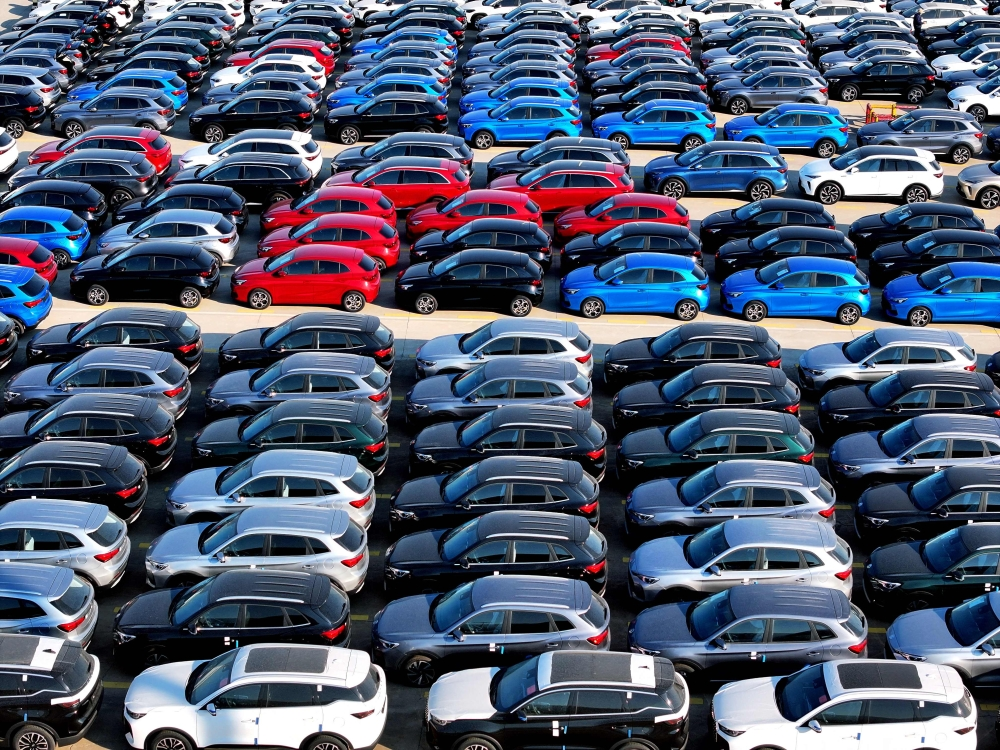
In a related development, European manufacturers are facing a deluge of Chinese electric vehicles flooding the European market with highly competitive prices, bolstered by China's clear dominance in battery supply chains. This situation raises serious concerns about an unprecedented industrial crisis that could lead to the closure of historic factories and the dismissal of thousands of workers if Brussels does not intervene to revise its targets.
European divide: between biofuels and batteries
This crisis has created a clear division in views within the European Union. On one side, Italy is leading a front calling for flexibility, advocating for allowing the sale of new vehicles powered by biofuels (agricultural fuels produced from organic materials) after 2035, as a sustainable alternative to traditional fuel engines without the need for a complete transition to electric vehicles.
In contrast, France has adopted a different stance, with President Emmanuel Macron warning against deviating from the current course. Paris believes that abandoning the 2035 target would jeopardize the billions of dollars already invested in Gigafactories for battery production, particularly in northern France. France fears that indecisiveness could lead to an exodus of investors and cause Europe to lose its opportunity to lead the clean technology sector in the future.