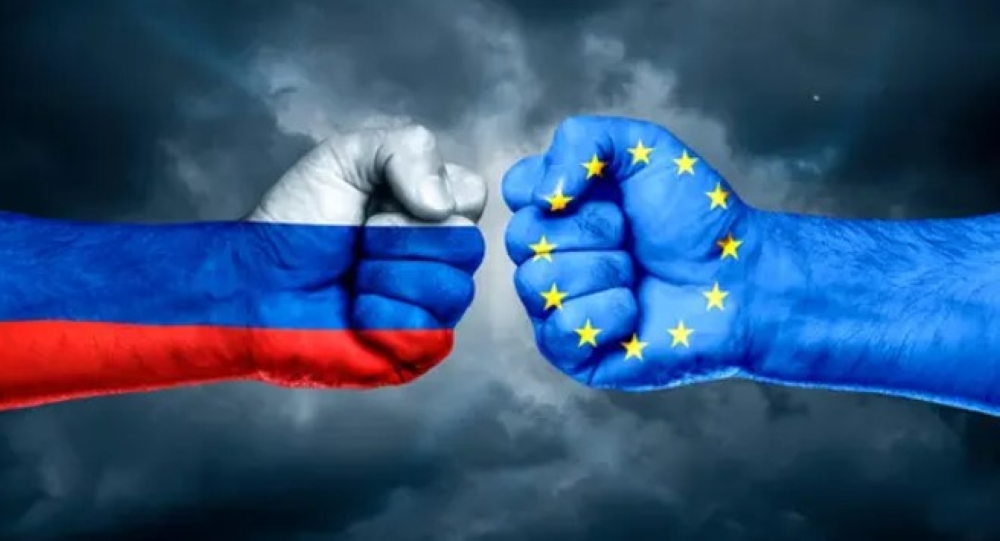
In a new move to increase economic pressure on Moscow, the European Union has proposed an additional package of sanctions against Russia, directly targeting three strategic sectors: energy, banking, and shipping services linked to Russian oil exports. This move comes as part of ongoing efforts by the EU and its Western allies to undermine Russia's ability to finance its war in Ukraine.
Background and context of European sanctions
Since the start of Russia’s full-scale invasion of Ukraine in February 2022, the European Union has adopted a series of unprecedented sanctions packages against Moscow. These sanctions have included freezing the assets of the Russian central bank, disconnecting major Russian banks from the SWIFT global financial system, imposing restrictions on the export of advanced technology, and banning key imports such as coal and seaborne crude oil. These cumulative measures aim to isolate the Russian economy and weaken its military. Despite their impact, Russia continues to find ways to circumvent some of these restrictions, prompting the EU to continually tighten them.
Details of the new package and its expected impact
The proposed package focuses on closing loopholes in existing sanctions and increasing their effectiveness. European Commission President Ursula von der Leyen explained in a statement that the new measures would lead to “a further reduction in Russia’s energy revenues.” She added that this move would “make it more difficult for Russia to find buyers for its oil,” referring to the targeting of the “shadow fleet” of tankers that Moscow uses to circumvent the oil price ceiling imposed by the G7.
The proposal includes a ban on European maritime services, such as insurance and financing, for oil tankers transporting Russian crude, increasing the cost and risk of shipping it globally. In the banking sector, the sanctions aim to further isolate the remaining Russian financial institutions from the global system. These measures are expected to have a significant impact on the Russian federal budget, which relies heavily on oil and gas export revenues to fund its military and social spending.
Strategic importance and international implications
The significance of these sanctions lies in their reflection of a European political resolve to continue supporting Ukraine and weakening Russia in the long term. Regionally, this move demonstrates European unity in the face of Russian aggression, despite the economic challenges facing some member states, particularly in the energy sector. Internationally, the tightening of sanctions puts pressure on other countries, such as China and India, which have become major buyers of Russian oil, as they will face greater logistical and financial difficulties in completing these transactions. The success of this package remains contingent on the extent of international commitment to its implementation and the ability of the international community to monitor and counter Russian attempts to circumvent it.