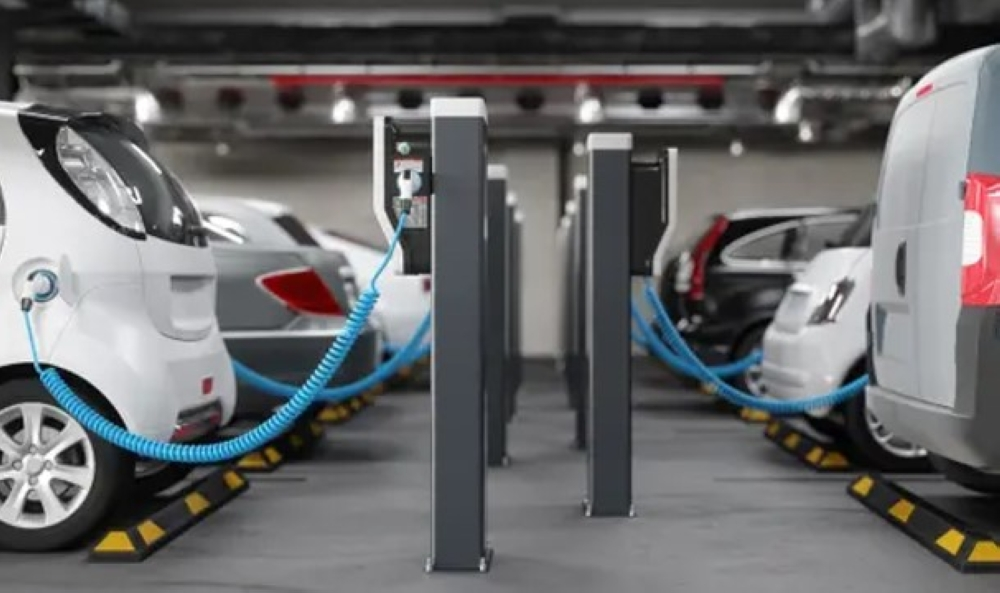
In a significant development aimed at easing escalating trade tensions, the European Union a new proposal on Monday offering an alternative to the punitive tariffs recently imposed on Chinese electric vehicles . This move comes as Brussels seeks a diplomatic solution that preserves the balance of the European market without sliding into an open trade war with Beijing.
Details of the new European proposal
According to a document issued by the European Commission, the proposed solution is to replace anti-dumping duties with a "minimum import price" system. Under this system, Chinese manufacturers could avoid additional duties if they committed to selling their cars in the European market at prices no lower than a certain threshold set by the Commission. This measure aims to counteract the impact of the generous government subsidies that Brussels accuses the Chinese government of providing to its companies, giving them an unfair competitive advantage and harming European industry.
Olof Gill, the European Union's trade spokesman, explained that the document aims to provide clear guidance to Chinese exporters wishing to engage in this negotiated solution, thus opening the door to a technical settlement of the crisis.
Background of the conflict and the importance of the automotive sector
The roots of this crisis lie in extensive investigations by the European Commission, which concluded that electric vehicles manufactured in China benefit from massive government subsidies that undermine the principle of a level playing field. Consequently, since October 2024, the EU has imposed additional tariffs of up to 35%, on top of the standard 10% tariff.
This issue is particularly sensitive given the strategic importance of the automotive sector in Europe, which provides approximately 14 million direct and indirect jobs. European capitals fear that the influx of cheap Chinese cars could undermine the continent's industrial base at a time when Europe is striving to lead the global transition to clean energy.
The repercussions of the trade war and the reactions
China did not remain passive in the face of these European measures; Beijing described the tariffs as "protectionist" and retaliated by launching anti-dumping investigations targeting vital European products such as pork, dairy products, and cognac. This tit-for-tat escalation has raised global concerns about the impact of the dispute on supply chains and international trade.
However, the new proposal appears to have been well received, with the Chinese Ministry of Commerce and the Chinese Chamber of Commerce in the European Union welcoming the move, considering it evidence that disputes can be resolved through dialogue and constructive consultations, which bodes well for reaching a "smooth solution" that spares both sides significant economic losses.