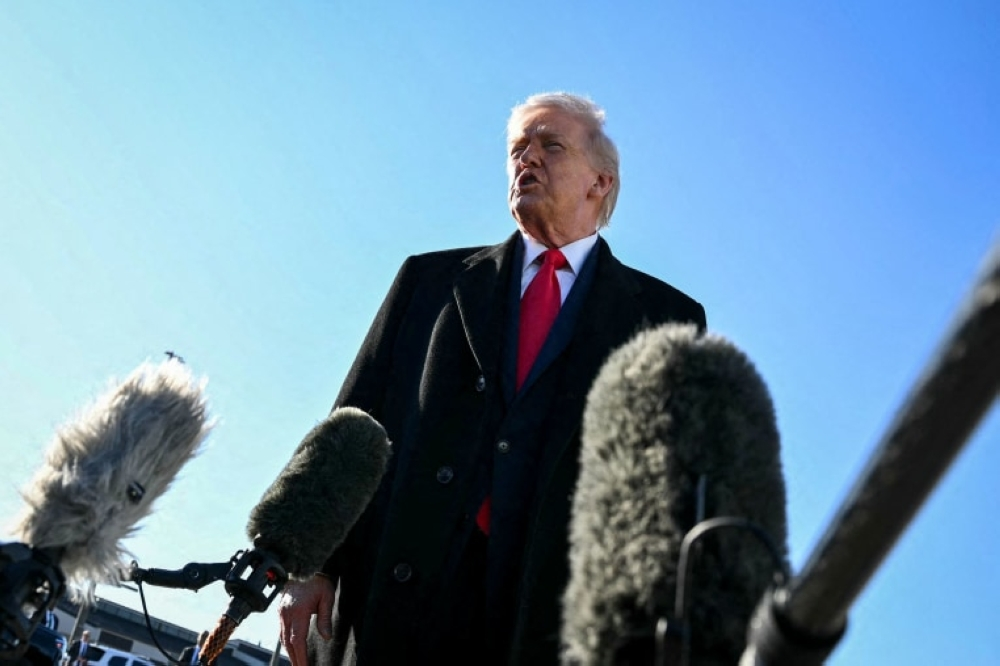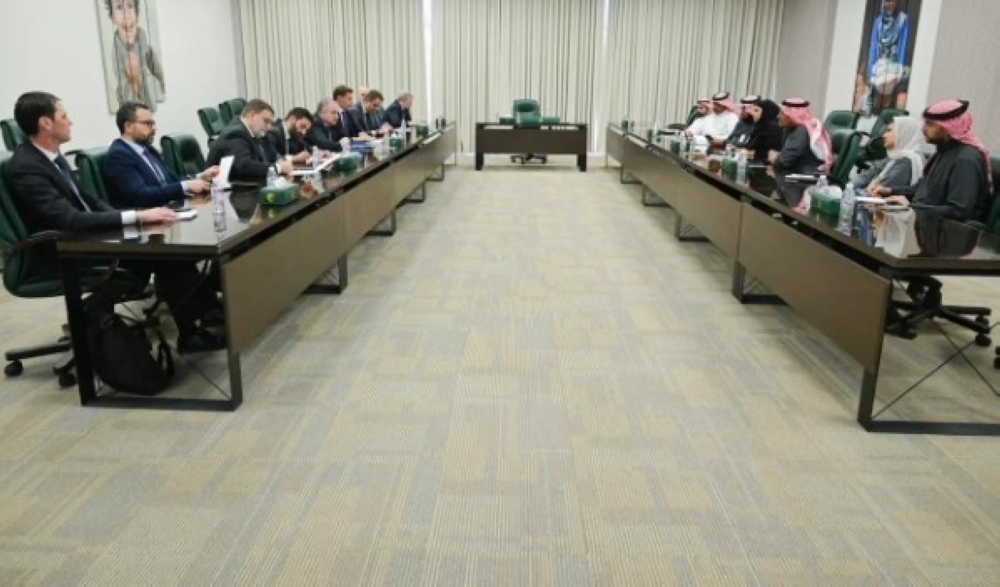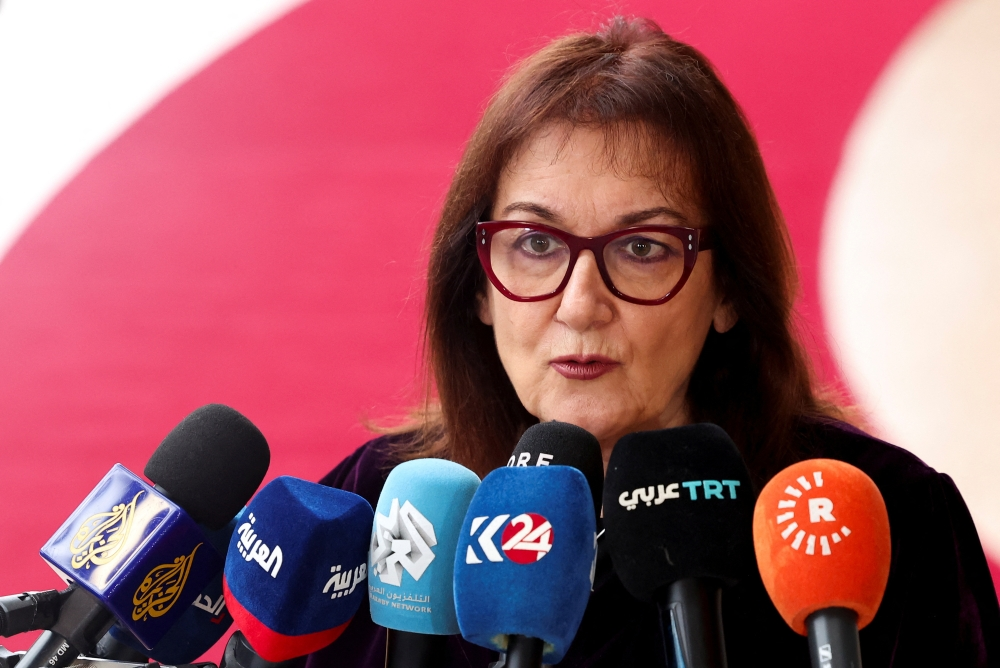
Brussels announced a significant diplomatic move: European Commissioner Dubravka Šujka will participate in the inaugural meeting of the "Peace Council," a new body proposed by former US President Donald Trump. The European Union emphasized that this participation does not constitute formal membership in the body, but rather aims to explore the initiative and present a unified European position on the humanitarian crisis in the Gaza Strip.
Background and context of the proposed “Peace Council”
The idea of a “Peace Council” was proposed amid the ongoing war in Gaza and the paralysis facing traditional diplomatic bodies, most notably the UN Security Council, which is frequently vetoed by its permanent members. Initially conceived as a mechanism to end the conflict in Gaza, the council’s stated ambitions extend to resolving armed conflicts worldwide. However, the initiative has sparked considerable controversy due to its proposed structure, with permanent membership reportedly requiring a $1 billion financial contribution, raising concerns that the body could become an exclusive forum for wealthy nations or a parallel, paid version of the UN Security Council.
A cautious and considered European stance
Guillaume Mercier, the European Union spokesperson, clarified that Commissioner Soeka's participation would be limited to the section of the meeting scheduled to be held in Washington that discusses the situation in Gaza. He emphasized that "the European Commission is not a member of the Council" and that it has "a number of questions" about the Council's workings, particularly regarding its "scope of application," "governance," and its compatibility with the UN Charter and existing international institutions. This cautious participation reflects a European desire to avoid being sidelined from any diplomatic initiatives that might gain momentum, especially those originating from the United States, while maintaining sufficient distance to assess the initiative's viability and potential repercussions.
Diplomatic importance and expected impact
The EU’s involvement is of particular importance both regionally and internationally. Regionally, it sends a clear message that Europe is a key player in Middle East peace efforts and cannot be bypassed. The EU has consistently advocated for a two-state solution and supported humanitarian aid agencies in Palestine, and its participation aims to ensure that any proposed solutions align with these principles. Internationally, this move demonstrates European pragmatism in navigating the evolving US political landscape and its willingness to engage in dialogue with various parties. It also highlights the global search for alternative conflict resolution mechanisms at a time when the existing multilateral system faces increasing challenges. The future of the “Peace Council” remains uncertain, but the EU’s engagement, even if informal, guarantees it a seat at the table to monitor and guide this new initiative.