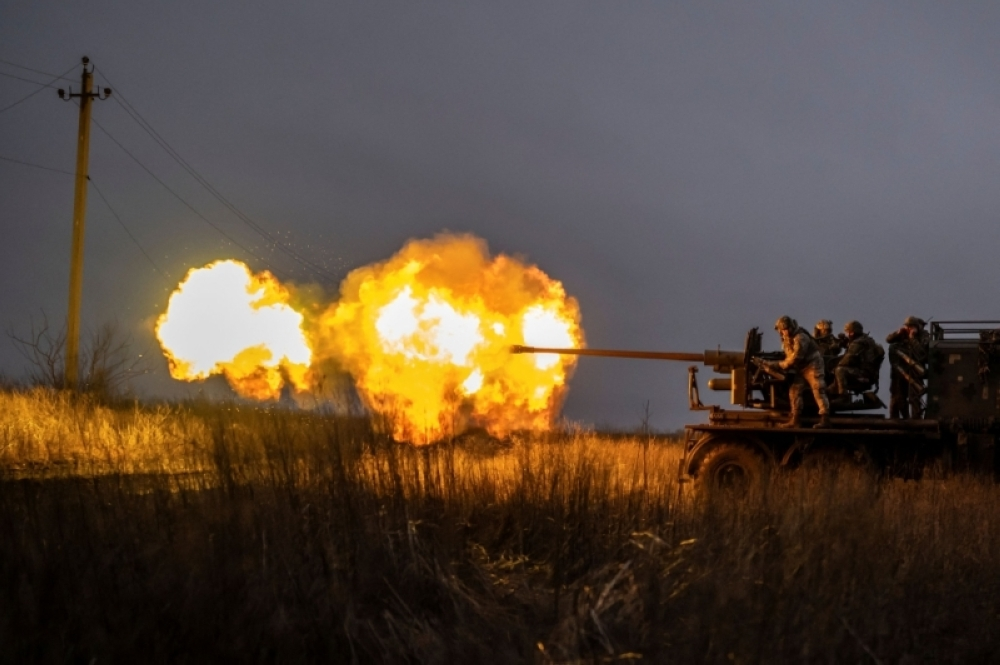
في خطوة دبلوماسية هامة، عقد وزراء خارجية الاتحاد الأوروبي اجتماعاً افتراضياً لمناقشة آخر التطورات المتعلقة بالحرب في أوكرانيا، مع التركيز بشكل خاص على مبادرة السلام التي تقودها الولايات المتحدة. ترأس الاجتماع الممثل الأعلى للشؤون الخارجية والسياسة الأمنية للاتحاد الأوروبي، جوزيب بوريل، حيث سعى الوزراء إلى تنسيق مواقفهم تجاه المساعي الدبلوماسية الرامية لإنهاء الصراع الذي دخل عامه الثالث.
خلفية تاريخية وسياق الأزمة
تأتي هذه المباحثات في ظل استمرار الحرب الروسية الأوكرانية التي اندلعت في فبراير 2022، والتي تعد أكبر نزاع عسكري في أوروبا منذ الحرب العالمية الثانية. لقد خلّف الصراع دماراً هائلاً في البنية التحتية الأوكرانية وأدى إلى أزمة إنسانية غير مسبوقة، مع ملايين النازحين واللاجئين. ومنذ بداية الأزمة، فرض الاتحاد الأوروبي والولايات المتحدة حزماً متتالية من العقوبات الصارمة على روسيا، بهدف شل اقتصادها وقدرتها على تمويل الحرب، وفي المقابل، قدما دعماً مالياً وعسكرياً ضخماً لأوكرانيا لتعزيز قدرتها على الدفاع عن سيادتها وسلامة أراضيها.
أهمية الاجتماع وتأثيره المتوقع
تكمن أهمية هذا الاجتماع في كونه محاولة جادة لبلورة موقف أوروبي موحد تجاه أي خطة سلام محتملة. فالتوافق بين الدول الأعضاء السبع والعشرين يُعتبر شرطاً أساسياً لنجاح أي جهد دبلوماسي، حيث يمنح الاتحاد الأوروبي ثقلاً سياسياً أكبر على الساحة الدولية. وأشار بوريل إلى أن النقاشات لم تقتصر على الجوانب السياسية للخطة الأمريكية، بل شملت أيضاً آليات ضمان الدعم المالي المستدام لأوكرانيا، ليس فقط لمواصلة الدفاع عن نفسها، ولكن أيضاً لتعويض الخسائر الهائلة والبدء في عملية إعادة الإعمار المستقبلية.
على الصعيد الإقليمي، يهدف التوصل إلى سلام عادل وشامل إلى إعادة الاستقرار إلى القارة الأوروبية التي اهتزت أركانها بفعل الحرب، وما نتج عنها من أزمة طاقة وتحديات أمنية متزايدة. أما دولياً، فإن إنهاء الصراع سيخفف من التوترات الجيوسياسية العالمية ويساهم في استقرار أسواق الغذاء والطاقة العالمية التي تأثرت بشدة. إن نجاح الجهود الدبلوماسية المشتركة بين أوروبا والولايات المتحدة من شأنه أن يرسخ مبادئ القانون الدولي وسيادة الدول، ويشكل رادعاً للنزاعات المستقبلية.