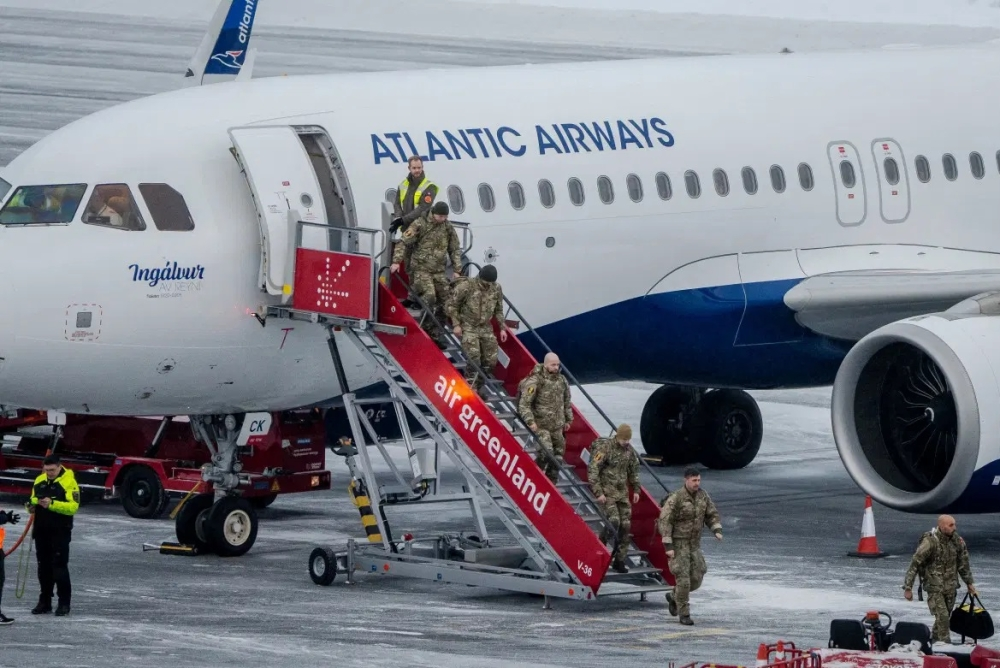
In a notable diplomatic escalation, European Commission President Ursula von der Leyen pledged a “firm” response to the repeated threats and proposals by former US President Donald Trump regarding the United States’ acquisition of Greenland. Speaking at the World Economic Forum in Davos, Switzerland, von der Leyen asserted that such tensions would only benefit common adversaries, emphasizing the deep friendship and alliance between Europe and the United States.
Historical background of American interest in Greenland
The idea of purchasing Greenland did not originate with the Trump administration; its roots extend back to the post-World War II era. In 1946, President Harry Truman's administration offered Denmark $100 million to buy the island, recognizing its strategic importance during the Cold War. Despite Denmark's rejection of the offer, a defense agreement was reached in 1951, allowing the United States to establish and develop Thule Air Base in northern Greenland, which remains a vital component of the US early warning and missile defense system to this day.
The strategic and economic importance of Greenland
Greenland's importance extends far beyond its military location. The self-governing island, which is part of the Kingdom of Denmark, is the world's largest island and occupies a unique geostrategic position at the crossroads of the Atlantic and Arctic Oceans. With the accelerating pace of climate change and ice melt, its importance is becoming increasingly apparent for two main reasons:
- Natural resources: Greenland's subsoil and surrounding marine areas are believed to contain enormous reserves of natural resources, including oil, gas, rare minerals (such as neodymium and praseodymium), and uranium, which are essential materials for advanced technology industries.
- Shipping routes: The melting of Arctic ice opens the door to new and shorter shipping routes between Asia, Europe and North America, reducing global shipping time and cost and giving Arctic countries significant economic and geopolitical influence.
The effects of the crisis at the regional and international levels
Trump’s remarks sparked widespread outrage in Europe, particularly in Denmark, which described the idea as “absurd.” European allies view the proposal as a disregard for international law and national sovereignty, and an attempt to apply the logic of “real estate deals” to complex international relations. French President Emmanuel Macron called on the European Union to use its considerable economic leverage to respond to any “disrespect.” The crisis extends beyond transatlantic relations to the entire Arctic region, where major powers like Russia and China are vying to expand their influence, making any attempt to forcibly alter the status quo a global destabilizing factor. For this reason, EU leaders intend to discuss the implications of this crisis at an emergency summit, reaffirming their full solidarity with Denmark in preserving its sovereignty and territorial integrity.