Strong European push to begin Ukraine's accession negotiations
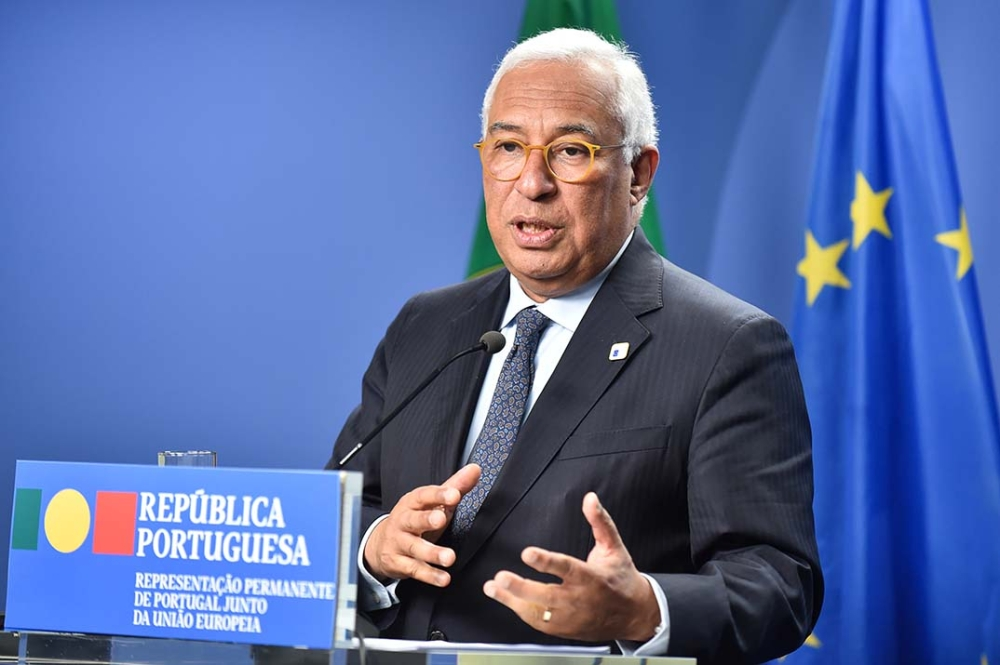
European Council President Antonio Costa affirmed that the European Union is eager to begin formal membership talks with Ukraine as soon as possible, a move reflecting strong political support for Kyiv in the face of the Russian invasion. During a visit to Oslo, Costa told reporters, “We want to be able, as soon as possible, to formally begin negotiations and move forward with the enlargement process.” While not specifying a precise timeline, Costa stressed the importance of maintaining the current momentum and not losing it, declining to speculate on whether accession would occur in 2026, 2027, or later.
Historical background: Ukraine's long path towards Europe
Ukraine’s desire to join the European Union was not a sudden development. Since gaining independence from the Soviet Union in 1991, Kyiv had been cultivating ties with the West. But the decisive turning point was the Euromaidan uprising in 2014, which erupted after then-President Viktor Yanukovych refused to sign an association agreement with the EU under pressure from Moscow. This uprising demonstrated a powerful popular desire for a democratic, European future. The full-scale Russian invasion of February 2012 proved to be the ultimate catalyst, transforming the membership ambition into a pressing geopolitical imperative. Kyiv submitted its formal application for membership just days after the war began and was granted candidate status in June of the same year—a swift and unprecedented symbolic step.
The importance of the event and its expected impact
The start of accession negotiations carries immense strategic importance on all levels. Domestically , it represents a tremendous morale boost for the Ukrainian people and solidifies the country's path toward democratic reforms, the rule of law, and the fight against corruption—essential conditions known as the "Copenhagen criteria" that any candidate country must meet. Regionally , Ukraine's accession is the largest EU enlargement since the accession of Eastern European countries in 2004, and it will reshape the continent's political and economic landscape. Internationally , this move is seen as a strategic defeat for Russia, underscoring the failure of its attempts to keep Ukraine within its sphere of influence and reinforcing the EU's position as a geopolitical power capable of protecting its interests and values.
Challenges and obstacles on the path to full membership
Despite strong political will, the road to full membership remains long and fraught with challenges. Costa praised Ukraine's efforts to implement the required reforms despite the harsh conditions of war. However, the accession process requires unanimous approval from all 27 member states, which presents a potential obstacle. Hungary, under Prime Minister Viktor Orbán, is the most vocal critic of rapid enlargement, although it previously agreed to grant Ukraine candidate status. The negotiation process itself is complex and takes years, as the candidate country must align all its legislation with EU law. Accession times vary considerably; while Finland's process took only three years, Turkey's negotiations, which began decades ago, remain stalled.