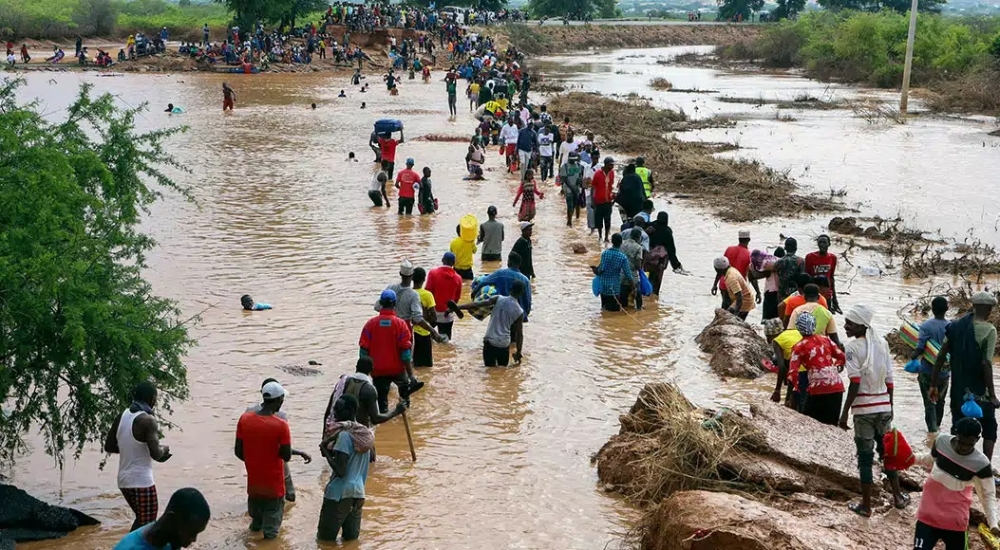
In yet another tragedy to strike the African continent, authorities have announced that the death toll from landslides in Ethiopia to 125. This devastating natural disaster occurred last week in the Gamo region of southern Ethiopia, causing significant loss of life and property. The incident has once again highlighted the environmental and climate challenges facing the region.
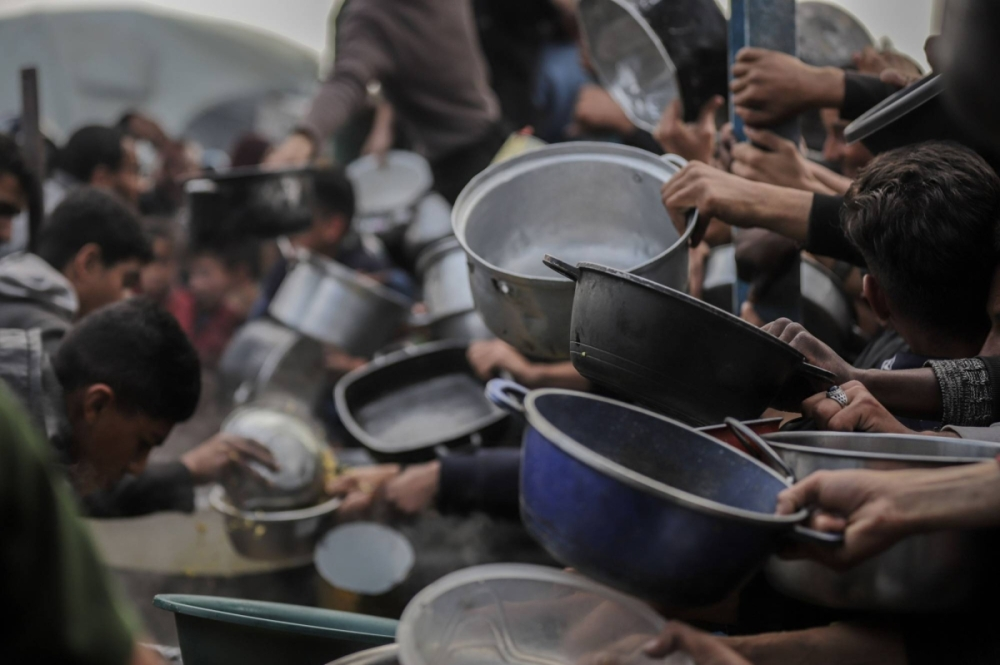
The government of Ethiopia's Southern Nations, Nationalities, and Peoples' Region confirmed the tragic situation in successive statements. While initial figures as of last Thursday indicated 70 deaths, the discovery of victims accelerated, and the official death toll was announced as 125. The repercussions were not limited to the direct loss of life; authorities stated in an official statement that more than 11,000 people were forcibly displaced from their homes and villages to escape the disaster, placing immense pressure on relief efforts and the provision of safe shelter for these displaced individuals.
Environmental context and history of natural disasters in the Horn of Africa
This incident is not isolated from the region's geographical and climatic context. Historically, Ethiopia and the Horn of Africa have experienced extreme weather fluctuations, ranging from severe droughts to unprecedented heavy rainfall. The rugged, mountainous terrain of southern Ethiopia, particularly in the Gamo region, makes it highly susceptible to mudslides when the soil becomes saturated with rainwater. In recent years, the frequency of these disasters has increased due to global climate change, as well as human factors such as deforestation and unplanned agricultural expansion, which have weakened soil cohesion and increased the vulnerability of natural infrastructure to storms.
Humanitarian and economic consequences of landslides in Ethiopia
Landslides in Ethiopia have far-reaching consequences that extend beyond local borders, impacting the regional landscape. Locally, these disasters destroy essential infrastructure such as roads and bridges, hindering the delivery of humanitarian and medical aid to those affected. They also damage crops, which are a primary source of food and income for local populations, threatening a food security crisis in the affected areas. Regionally and internationally, this crisis underscores the urgent need to strengthen international cooperation in disaster response and provide financial and logistical support to developing countries to address the impacts of climate change. The displacement of thousands necessitates immediate intervention from international humanitarian organizations to provide tents, clean water, and healthcare to prevent the spread of diseases and epidemics among the displaced population.
Relief efforts and calls for international intervention
Faced with this tragic scene, local rescue teams are racing against time to search for possible survivors under the rubble and mud, despite the immense challenges posed by continued rainfall and the closure of roads leading to the affected villages. The Ethiopian government has issued urgent appeals to the international community and NGOs for emergency relief assistance. This disaster underscores the importance of investing in early warning systems and building the capacity of local communities to adapt to natural disasters, in order to reduce future human and material losses and ensure a faster and more effective response.