مؤشرات مقلقة على تجدد الصراع في شمال إثيوبيا
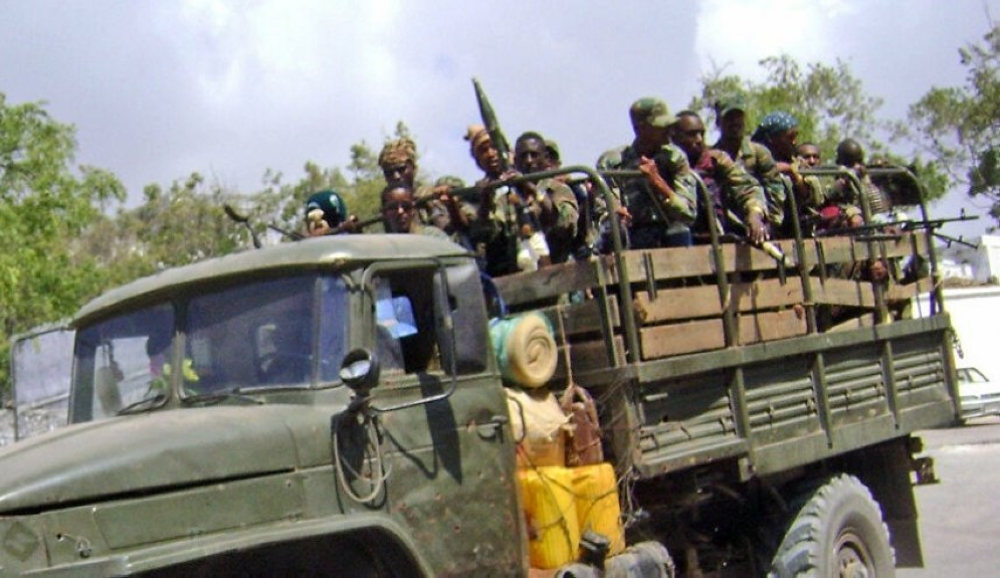
في تطور يثير قلقاً بالغاً، اندلعت اشتباكات عنيفة منذ أيام بين الجيش الفيدرالي الإثيوبي وقوات من إقليم تيغراي، لتكون المواجهة العسكرية الأولى من نوعها منذ توقيع اتفاق السلام في بريتوريا بجنوب أفريقيا في نوفمبر 2022. وأكدت مصادر دبلوماسية وأمنية لوكالة فرانس برس أن المعارك تتركز في منطقة تسلمت بغرب تيغراي، وهي منطقة متنازع عليها وتطالب بها أيضاً قوات من إقليم أمهرة المجاور. ونتيجة لهذا التصعيد، تم تعليق جميع الرحلات الجوية التجارية إلى الإقليم، مما يعزل المنطقة ويزيد من حالة الغموض.
خلفية الصراع: جذور التوتر وأسباب الحرب
تعود جذور هذا الصراع إلى التوترات السياسية التي تصاعدت بعد وصول رئيس الوزراء آبي أحمد إلى السلطة في عام 2018. حيث شعرت “الجبهة الشعبية لتحرير تيغراي”، التي هيمنت على السياسة الإثيوبية لعقود، بالتهميش. وبلغت التوترات ذروتها في نوفمبر 2020 عندما اندلعت حرب شاملة بين الحكومة الفيدرالية والجبهة. استمرت الحرب لمدة عامين وشهدت تدخل أطراف إقليمية، أبرزها القوات الإريترية وميليشيات من إقليم أمهرة التي دعمت الجيش الفيدرالي. خلّفت هذه الحرب دماراً هائلاً وأزمة إنسانية كارثية، حيث تشير تقديرات الاتحاد الأفريقي إلى مقتل ما لا يقل عن 600 ألف شخص، بينما يعتقد خبراء أن العدد الفعلي قد يكون أعلى بكثير.
اتفاق بريتوريا الهش وتحديات التنفيذ
أنهى اتفاق السلام الذي تم التوصل إليه في نوفمبر 2022 عامين من القتال الدامي. ونص الاتفاق على بنود رئيسية تشمل نزع سلاح قوات تيغراي، واستعادة السلطة الفيدرالية على الإقليم، وضمان وصول المساعدات الإنسانية دون عوائق. ورغم أن الاتفاق أوقف القتال على نطاق واسع، إلا أن تنفيذه واجه تحديات كبيرة، خاصة فيما يتعلق بالخلافات حول الأراضي المتنازع عليها مثل غرب تيغراي، وانسحاب القوات الإريترية والأمهرية بشكل كامل، وتحقيق العدالة الانتقالية للضحايا. وتعتبر الاشتباكات الحالية دليلاً على أن القضايا الجوهرية لم تُحل بعد، وأن السلام لا يزال هشاً.
الأهمية والتأثيرات المحتملة للتصعيد الجديد
إن تجدد القتال، حتى لو كان محدوداً، يحمل في طياته خطر انهيار اتفاق السلام بالكامل وإعادة إثيوبيا إلى دوامة العنف. على الصعيد المحلي، يهدد هذا التصعيد بتفاقم الأوضاع الإنسانية في منطقة لم تتعاف بعد من آثار الحرب السابقة. أما إقليمياً، فقد يؤدي إلى زعزعة استقرار منطقة القرن الأفريقي بأكملها، التي تعاني بالفعل من تحديات أمنية وسياسية متعددة. ويراقب المجتمع الدولي التطورات بقلق، خشية أن يؤدي انهيار العملية السلمية إلى تداعيات كارثية تتجاوز حدود إثيوبيا، مما يستدعي تحركاً دبلوماسياً عاجلاً لاحتواء الموقف ومنع انزلاقه نحو حرب شاملة جديدة.