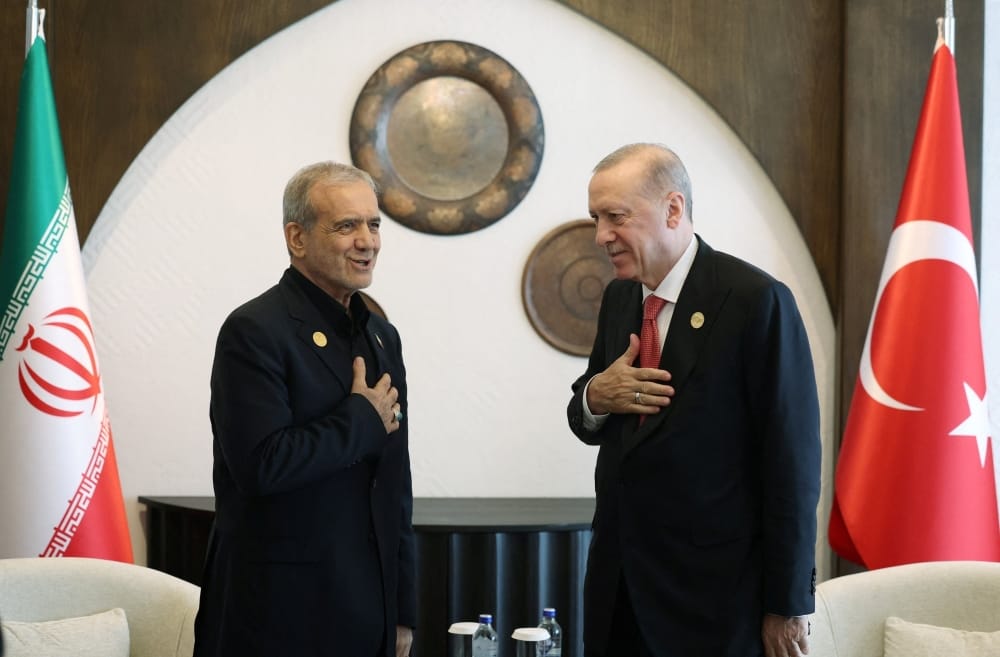
في خطوة دبلوماسية تهدف إلى نزع فتيل التوتر في منطقة الشرق الأوسط، أجرى الرئيس التركي رجب طيب أردوغان اتصالاً هاتفياً مع نظيره الإيراني المنتخب حديثاً، مسعود بزشكيان. وتركزت المباحثات، بحسب بيان صادر عن دائرة الاتصال في الرئاسة التركية، حول العلاقات الثنائية بين أنقرة وطهران، والأهم من ذلك، سبل خفض التصعيد المتنامي بين إيران والولايات المتحدة الأمريكية.
وخلال الاتصال، أكد أردوغان على استعداد تركيا للعب دور الوسيط والمُيسّر بين طهران وواشنطن، بهدف إيجاد حلول دبلوماسية للخلافات القائمة التي تهدد استقرار المنطقة بأكملها. وتأتي هذه المبادرة في إطار سعي أنقرة لتعزيز دورها كقوة إقليمية قادرة على بناء جسور الحوار بين الخصوم.
سياق تاريخي من التوترات
تعود جذور التوتر بين إيران والولايات المتحدة إلى عقود طويلة، لكنها شهدت تصعيداً ملحوظاً في السنوات الأخيرة. فبعد انسحاب واشنطن من الاتفاق النووي (خطة العمل الشاملة المشتركة) في عام 2018، فرضت إدارة الرئيس السابق دونالد ترامب سياسة “الضغط الأقصى” عبر عقوبات اقتصادية خانقة على طهران. ورغم تغير الإدارة في واشنطن، استمرت الخلافات حول البرنامج النووي الإيراني، ودور طهران الإقليمي، وبرنامجها للصواريخ الباليستية، مما أبقى على حالة التوتر قائمة، والتي تتجلى أحياناً في مناوشات في مياه الخليج أو هجمات سيبرانية متبادلة.
أهمية الدور التركي وتأثيره المحتمل
تحتل تركيا موقعاً استراتيجياً فريداً يجعلها مؤهلة للعب دور الوساطة. فهي عضو في حلف شمال الأطلسي (الناتو) وحليف للولايات المتحدة، وفي الوقت نفسه، تربطها بإيران علاقات اقتصادية وجيوسياسية واسعة النطاق، فضلاً عن الحدود المشتركة. هذا الموقف يمنح أنقرة القدرة على التحدث مع كلا الطرفين من منظور مختلف عن الوسطاء الأوروبيين أو غيرهم.
وعلى الصعيد الإقليمي، فإن أي نجاح للوساطة التركية من شأنه أن يقلل من خطر اندلاع مواجهة عسكرية مباشرة قد تجر المنطقة بأكملها إلى صراع مدمر، وتؤثر سلباً على أمن الطاقة العالمي واستقرار الممرات المائية الحيوية. أما دولياً، فإن نجاح هذه الجهود سيعزز من مكانة تركيا كلاعب دبلوماسي مؤثر، وقد يفتح الباب أمام مسارات جديدة للحوار تساهم في إعادة إحياء المفاوضات المتعلقة بالملف النووي الإيراني.
وتأكيداً على جدية هذه المساعي، أشار البيان الرئاسي التركي إلى أن الرئيس أردوغان سيستقبل في وقت لاحق وزير الخارجية الإيراني، عباس عراقجي، الذي وصل إلى تركيا في زيارة رسمية، مما يشير إلى أن المباحثات الهاتفية ستتبعها خطوات عملية على الأرض لبحث تفاصيل المبادرة التركية.