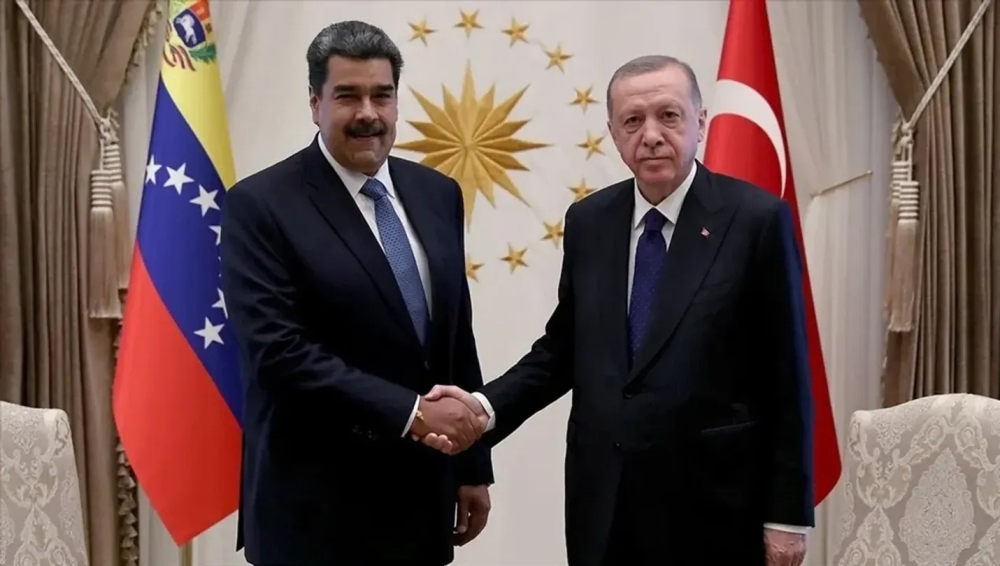
In a diplomatic move aimed at containing escalating tensions in Latin America, Turkish President Recep Tayyip Erdogan made a phone call to his Venezuelan counterpart Nicolas Maduro, advising him to keep channels of dialogue open with the United States, amid growing fears in Caracas of a possible US military move in the Caribbean region.
Contact details and call for calm
According to a statement issued by the Turkish Presidency, Erdoğan emphasized during the conversation that "global peace can only be achieved through dialogue," stressing the importance of communication between Caracas and Washington to spare the region the horrors of a potential armed conflict. The Turkish President expressed his hope that "the tension can be contained as soon as possible," noting that Turkey is closely monitoring developments and believes that diplomatic solutions remain possible.
For its part, the Venezuelan Foreign Ministry issued a statement explaining that Erdoğan expressed his "deep concern" regarding the military buildup and threats facing Venezuela. The statement quoted Maduro as explaining to his Turkish counterpart what he described as the "illegal and disproportionate nature" of the US actions, which he said were aimed at destabilizing security and stability in the Caribbean region.
Background of the Turkish-Venezuelan alliance
This call is not without precedent; it stems from close strategic relations that have developed significantly in recent years between Ankara and Caracas. Turkey stood firmly by Maduro during the 2019 political crisis when Washington and other Western countries recognized the opposition leader as the country's interim president. Turkey is a vital economic partner for Venezuela, particularly in the gold and food trade, making Erdoğan a trusted ally of the Venezuelan leadership, which lends his advice for dialogue particular political weight.
US military escalation in the Caribbean
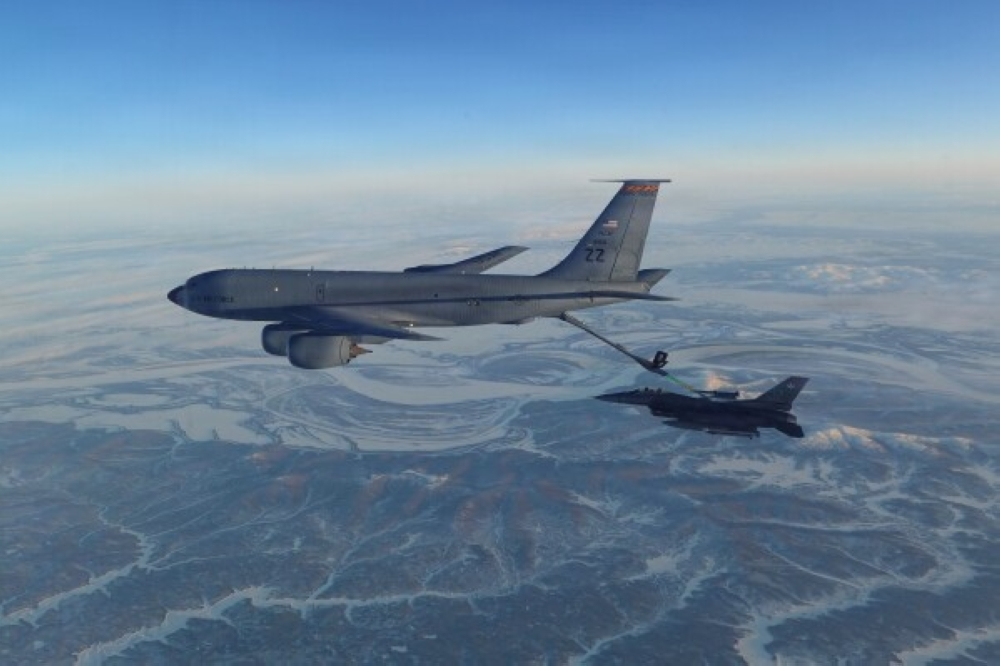
These developments come at a time when the administration of US President Donald Trump has intensified its pressure on Venezuela, with Washington sending a massive military buildup, including warships and aircraft, to the Caribbean under the guise of "counter-narcotics operations." US forces have conducted more than 20 operations targeting boats suspected of smuggling, resulting in dozens of deaths, which Caracas considers a disguised naval blockade and a direct threat to its sovereignty.
The two leaders also discussed the economic and logistical repercussions of recent US decisions, including the blanket suspension of flights and Trump's declaration that Venezuelan airspace is "closed," further isolating Venezuela internationally.
Contradictions of the American position
Despite the military buildup and accusations that Maduro leads a drug cartel, the political landscape is marked by contradictions. The Venezuelan president confirmed a "friendly" phone call with Trump days before the escalation, a fact later acknowledged by Trump without elaborating. This discrepancy between diplomatic rhetoric and military action reflects a state of uncertainty, making Erdogan's call for dialogue an attempt to exploit this opening and avert a full-blown confrontation.