In a historic move aimed at reshaping the country's political and administrative landscape, the Republic of Equatorial Guinea officially announced the relocation of its capital from the coastal city of Malabo to Ciudad de la Paz (City of Peace) on the mainland, according to a presidential decree issued on Saturday. This decision culminates an ambitious project first announced by President Teodoro Obiang Nguema Mbasogo in 2008, with the goal of strengthening national security and improving government administration.
Strategic and geographical motives
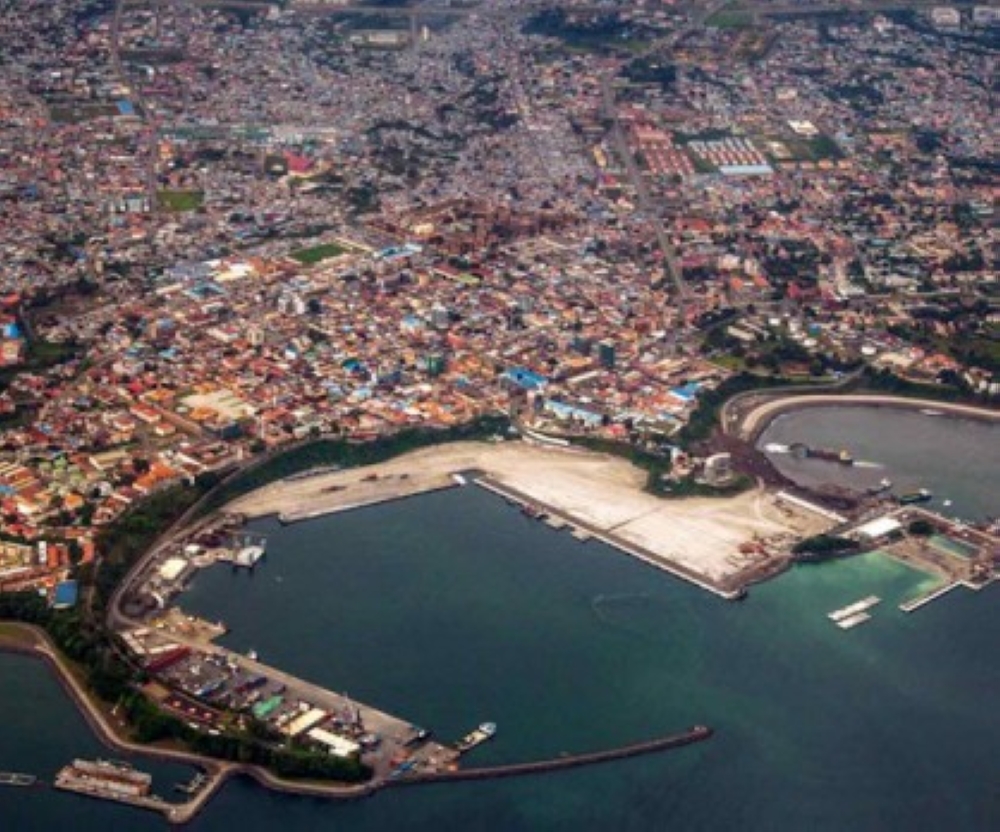
President Mbasogo, who has ruled the country for nearly 47 years, justified this pivotal decision with compelling strategic reasons. The former capital, Malabo, is located on Bioko Island, completely separated from the African mainland, making the seat of government geographically isolated from the vast majority of the country's landmass and population in the Rio Muni region. The president described the new city as "the ideal choice to house the capital" due to its central location, which facilitates its protection and accessibility from across the country, compared to the old capital, which is vulnerable to maritime threats and suffers from limited space for expansion.
Challenges of overpopulation and displacement
The presidential decree indicated that one of the main reasons for this transformation is the rapid and uncontrolled urban growth in both Malabo and the economic capital, Bata. In recent years, both cities have experienced large waves of migration from rural areas, placing immense pressure on infrastructure and public services. Ciudad de La Paz is presented as a radical solution to this dilemma, having been planned from the ground up as a modern city capable of accommodating population growth and providing a well-organized administrative environment, free from the congestion of the coastal areas.
Regional and historical context
Equatorial Guinea's move is not unique in Africa or the world; it follows a trend adopted by many countries that have sought to relocate their capitals from crowded coastal cities to more strategic inland areas, such as Nigeria, which moved its capital from Lagos to Abuja; Côte d'Ivoire, from Abidjan to Yamoussoukro; and Brazil, from Rio de Janeiro to Brasília. These projects typically aim to stimulate development in inland regions and distribute wealth and power more equitably.
Deadline for implementation
Under the new decree, all presidential services, constitutional bodies, government agencies, and public companies were given a one-year grace period to take the necessary measures to fully relocate their headquarters to the new capital, "Ciudad de La Paz," thus beginning a new era in the history of the Central African nation.