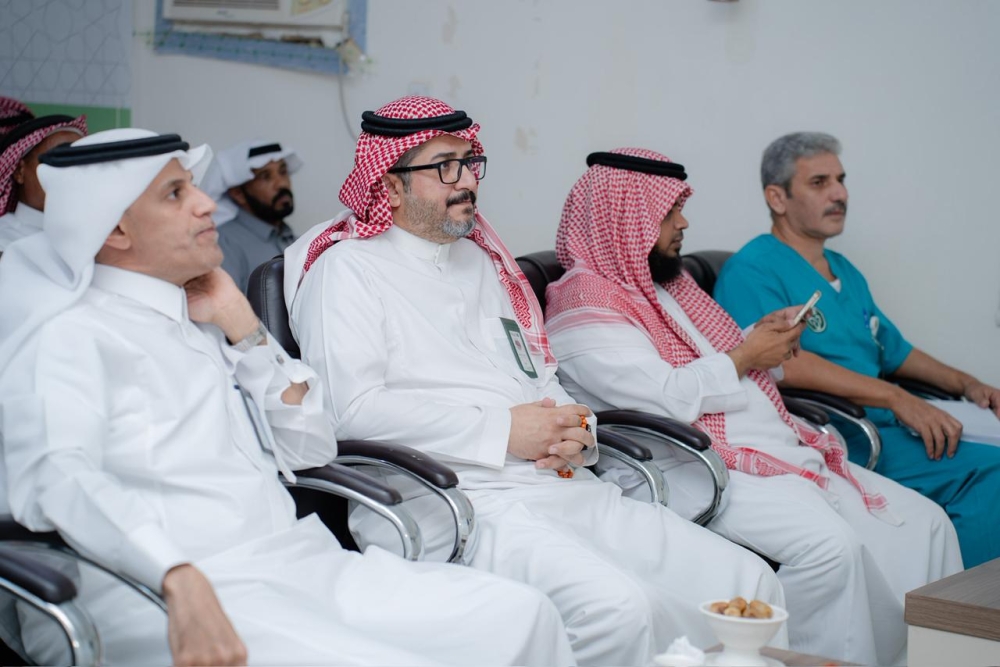
In a move aimed at raising community awareness and enhancing preparedness to address health risks, the Ministry of Environment, Water and Agriculture office in Al-Lith Governorate organized a specialized awareness seminar entitled “Raising Awareness of Insect-Borne Diseases.” The specialists participating in the seminar, held in strategic partnership with the National Center for Plant Pest and Animal Disease Prevention and Control (Wiqa’), agreed that strict adherence to environmental regulations represents the first and most effective line of defense in limiting the spread of these vectors.
General context and environmental health challenges
These efforts come within a global and regional context marked by a growing risk of insect-borne diseases such as dengue fever, malaria, and chikungunya, spread by mosquitoes and flies. Climate change, including rising temperatures and altered rainfall patterns, is creating ideal breeding grounds for these insects, making them even more difficult to control. Historically, vector-borne diseases have posed a significant public health challenge in many countries, and their control requires an integrated approach combining government interventions, community awareness, and responsible individual behavior.
The importance of the seminar and its expected impact
This initiative is particularly important locally, as it aims to raise awareness among residents of Al-Lith Governorate and surrounding areas about simple and effective preventative measures, such as eliminating stagnant water, which is a major breeding ground for mosquitoes, properly managing waste, and adhering to public hygiene standards. Nationally, this initiative aligns with the goals of Saudi Vision 2030, which prioritizes quality of life and public health. The success of these efforts will not only reduce the burden on the healthcare system but also enhance the Kingdom's position as a safe and healthy destination, which is especially vital given that it hosts millions of visitors annually for Hajj and Umrah pilgrimages.
Practical recommendations for a safe society
During the symposium, held in collaboration with the Bani Yazid Charitable Society, experts emphasized that preventative measures begin with sound environmental practices by each individual. The sessions reviewed a range of health and environmental guidelines that, if implemented, would significantly reduce the risk of insect-borne diseases. Discussions focused on the necessity of adhering to regulations governing public hygiene and sanitation, as these are fundamental pillars for promoting public health and protecting the community. The symposium witnessed widespread positive interaction, with organizers providing precise scientific answers to attendees' inquiries regarding safe and effective prevention methods. This reflects the community's keenness to actively contribute to supporting government efforts to combat pests and zoonotic diseases and to solidify the concept of sustainable prevention.