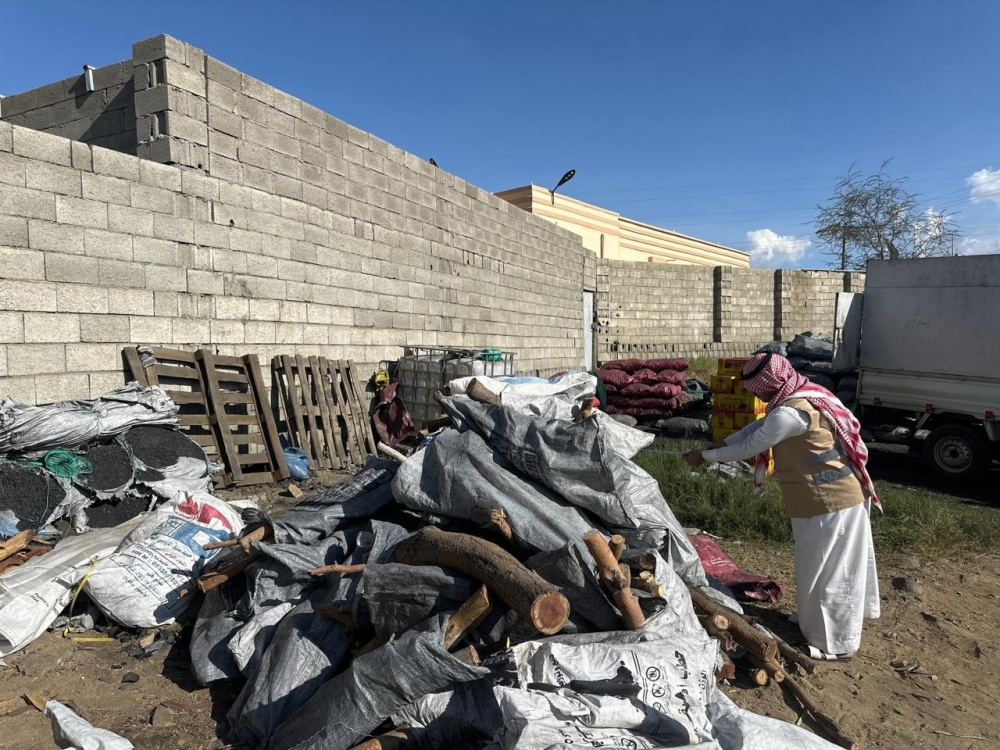
In a strategic move aimed at protecting natural resources, the National Center for Environmental new regulations concerning the "voluntary disclosure" of environmental violations. These regulations grant establishments and individuals a grace period to rectify violations and avoid penalties, provided they report the violation within 30 days of its occurrence. These latest amendments to the ministerial decree aim to enhance transparency and encourage self-regulation within the environmental sector.
The historical context of the Kingdom's efforts in environmental commitment
In recent years, the Kingdom of Saudi Arabia has witnessed a radical transformation in the structure of its environmental sector, in response to the objectives of Saudi Vision 2030, which places environmental protection at the forefront of its priorities. In this context, the National Center for Environmental Compliance was established as the entity responsible for monitoring and ensuring the implementation of environmental regulations. These efforts complement major national initiatives such as the "Saudi Green Initiative," which aims to reduce carbon emissions, combat pollution, and preserve biodiversity. The adoption of voluntary disclosure regulations represents a natural extension of this institutional development, shifting the focus from simply imposing penalties to building a genuine partnership with the private sector and the community to achieve sustainability.
Details of the voluntary disclosure decision and the corrective period
Based on the Executive Regulations for Environmental Inspection and Auditing, as amended by Ministerial Resolution No. 15116190, the decision aims to enable violators to rectify their situations without delay. The regulations explicitly stipulate that voluntary disclosure must occur before the center becomes aware of the violation through other channels. The center requires those disclosing violations to submit accurate and complete data, accompanied by a clear action plan outlining the corrective measures to address the affected environmental situation.
The operational procedures stipulate that the center's committees will review voluntary disclosure requests within 15 working days of receipt. The timeframe for rectification is determined by an official notice issued by the center, specifying the start and end dates, and outlining the date for imposing penalties if the deficiencies are not addressed within the allotted time. The concluding provisions also emphasize that granting a grace period for rectification and avoiding penalties does not, in any way, exempt the violator from paying mandatory financial compensation for rehabilitation costs and damages resulting from the pollution.
Expected impact of strengthening environmental commitment locally and internationally
The implementation of these environmental compliance regulations has far-reaching positive implications. Locally, the decision will contribute to proactively mitigating environmental damage and reducing the cost of environmental degradation, while also raising awareness and fostering a sense of responsibility among businesses and individuals. Regionally and internationally, this step enhances the Kingdom's standing in global environmental performance indicators and underscores its commitment to international agreements related to environmental and climate protection. Furthermore, Saudi Arabia presents a leading regional model for flexible environmental governance that balances economic development with the protection of natural resources.
Approved reporting and communication channels
To facilitate the process, the center has made disclosure reports available through a network of official channels, including its online platform, official mail, customer service, and in-person visits to branch offices. Submitting a report requires completing a dedicated form that includes the coordinates of the affected location, a detailed description of the incident, supported by photographic evidence, and information on the initial preventative measures taken to control the pollution. The center reserves the absolute right to reject any voluntary disclosure entirely if it is determined that the violation caused a significant negative impact or if misleading information is provided.