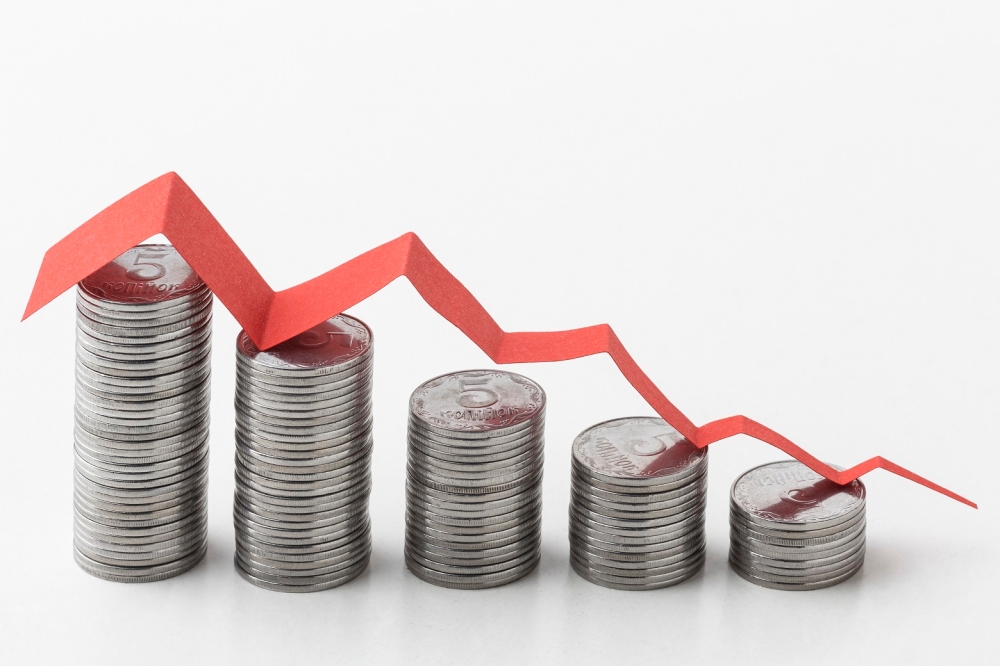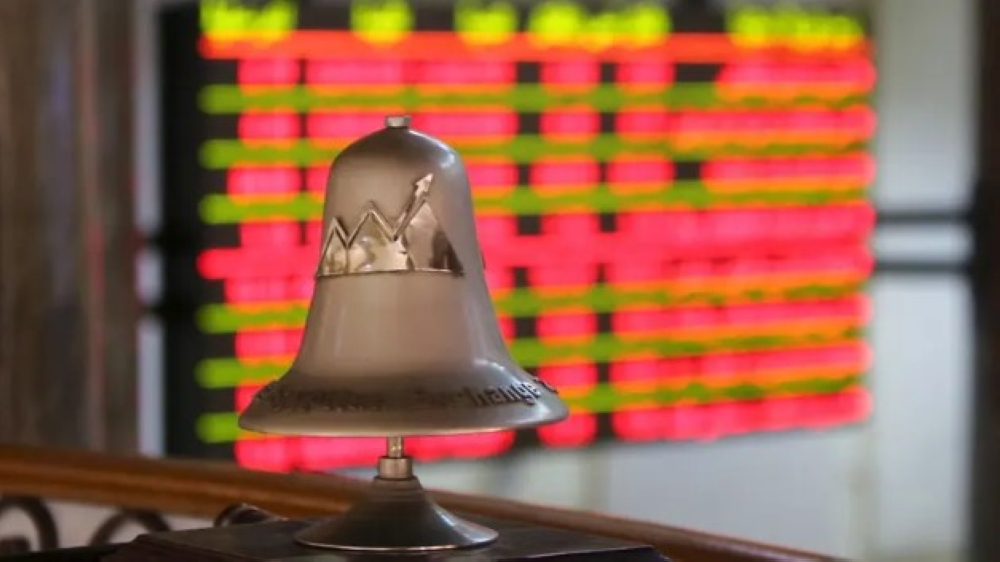
The Egyptian Stock Exchange experienced a volatile trading session, with its main indices closing collectively lower, resulting in a loss of approximately 26 billion Egyptian pounds in the market capitalization of listed companies. The market capitalization closed at 3.272 trillion pounds, amidst total trading valued at around 7.6 billion pounds, reflecting a cautious and watchful stance among investors.
In terms of index performance, the Egyptian Exchange's main index, EGX 30, which tracks the 30 largest listed companies, fell by 1.34% to close at 49,700.24 points. The EGX 70 index, which tracks small and medium-sized enterprises, followed suit, declining by 0.61% to reach 12,855.97 points. Similarly, the broader EGX 100 index dropped by 0.61%, ending trading at 17,818.63 points.
General context and economic background
This decline comes after a period of strong performance by the Egyptian Stock Exchange over the past few months, driven by a series of significant economic decisions. Following the announcement of the major Ras Al Hikma investment deal with the UAE and the Central Bank of Egypt's decision to fully float the Egyptian pound in March 2024, the market witnessed substantial foreign investment inflows, propelling indices to record highs. The current drop is considered a corrective move and profit-taking by investors after the significant gains, a normal and healthy occurrence in financial markets.
The importance of the event and its expected impact
Domestically, this decline directly impacts the sentiment of individual and institutional investors, potentially prompting some to reassess their investment strategies. However, analysts maintain that the fundamentals of the Egyptian economy remain strong, and ongoing structural reforms are positioning the market for long-term growth. Regionally and internationally, the performance of the Egyptian Stock Exchange continues to attract foreign investors seeking opportunities in emerging markets. Despite short-term fluctuations, the stability of the exchange rate and the availability of foreign currency enhance the attractiveness of the Egyptian market as a promising investment destination. The market is expected to remain in a state of anticipation until new catalysts emerge, whether positive economic data or announcements of new investments, which could restore positive momentum to the trading floor.