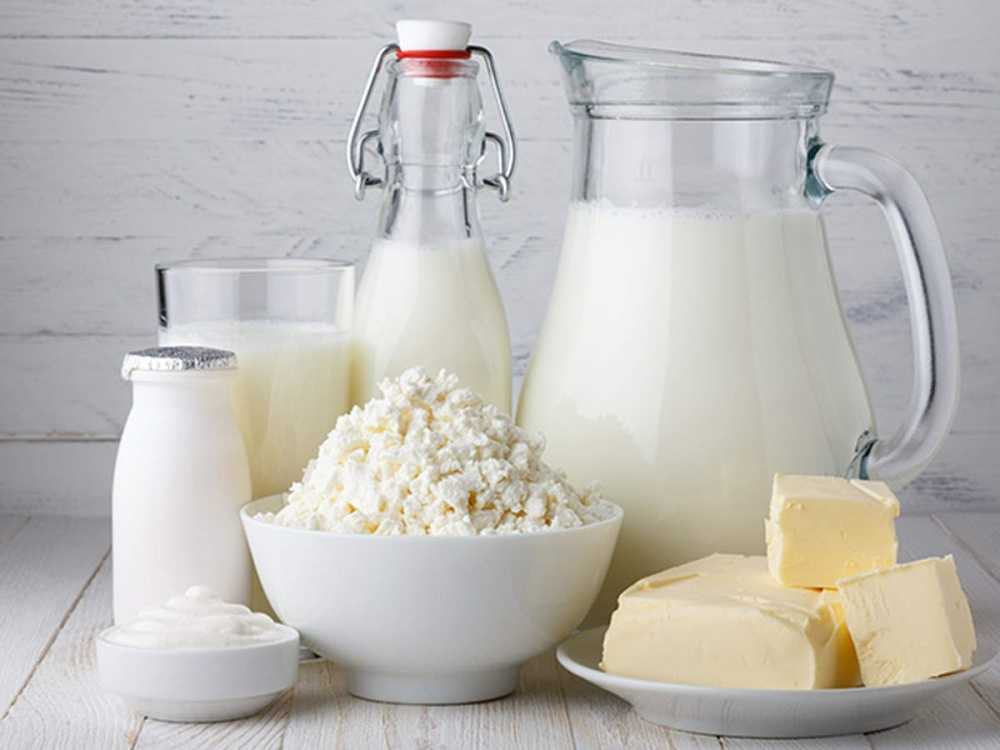
Saudi Arabian markets witnessed a noticeable fluctuation in the prices of basic food commodities during December, according to the latest data issued by the General Authority for Statistics. Prices of locally produced eggs saw a significant increase, while prices of various types of cheese trended downward. Prices of milk and some other dairy products remained relatively stable, reflecting the dynamics of supply and demand in the local market.
Details of the rise in egg prices
The bulletin on average prices of goods and services showed that the price of locally produced eggs rose by 2.2% month-on-month, reaching SAR 19.3 per tray. This increase is part of the cyclical fluctuations that can occur in poultry and poultry product prices, which are typically affected by several factors including feed costs, production inputs, and peak consumption seasons.
Cheese and dairy product prices have decreased
Conversely, the report brought positive news for consumers regarding dairy products. The price of locally produced cream cheese decreased by 2.1% to SAR 16.2, while imported cream cheese prices fell by 1.8% to SAR 8.1. The price reductions weren't limited to cream cheese; processed cheese triangles also saw a 0.6% decrease to SAR 5.3, and canned cheddar cheese dropped to SAR 6.8.
Regarding milk, the price of packaged liquid milk decreased by 1.1% to SAR 3.7, while packaged powdered milk saw a slight increase of 0.3%, reaching SAR 83.7 for a 1.8 kg package. Fresh products such as yogurt, laban, and fresh milk maintained stable prices at SAR 2, SAR 8.5, and SAR 6, respectively.
Vegetable oil price movement
Price changes weren't limited to dairy products and eggs; they extended to vegetable oils, a staple in Saudi cuisine. Olive oil saw a 1% decrease, reaching 25.4 riyals, while vegetable frying oil fell by 0.2% to 19.6 riyals, and corn oil for cooking dropped by 0.6% to 24.2 riyals.
The importance of statistical monitoring and economic indicators
This data is of paramount importance to the national economy, as the General Authority for Statistics is the sole official source of statistical data and information in the Kingdom. Monitoring average prices of goods and services on a monthly basis helps measure inflation rates and understand changes in the cost of living. These reports enable policymakers to formulate appropriate economic policies to ensure market stability and protect consumers.
Food security and market stability
The stability of prices for most fresh dairy products reflects the strength of Saudi Arabia's food sector infrastructure, as the Kingdom enjoys a high degree of self-sufficiency in milk and dairy production thanks to major national companies. This stability is part of the Kingdom's Vision 2030 food security objectives, which aim to ensure the availability of essential commodities at affordable prices and minimize the impact of global fluctuations in supply chains.