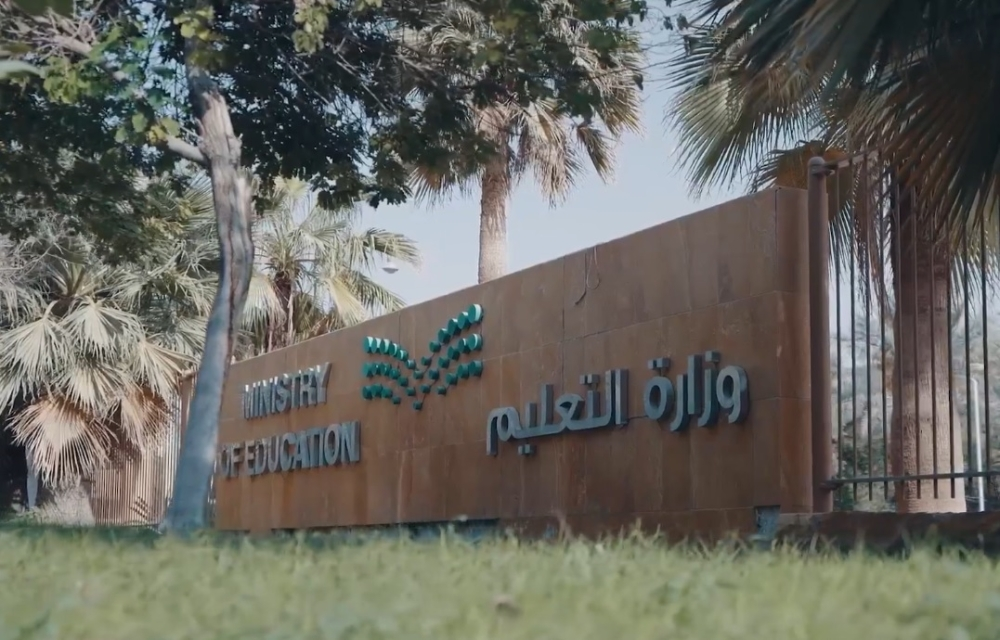
The Saudi Ministry of Education issued an urgent circular to all educational departments, schools, and their staff, strictly prohibiting them from making any statements to various media outlets or appearing on any media programs, whether visual, audio, or print, without prior official approval from the relevant authorities within the Ministry. The decision encompasses all forms of media engagement, including social media platforms that directly address educational matters.
This decision comes within the context of a general trend to regulate and control media statements issued by government officials. While not entirely new, this measure represents a reinforcement and strengthening of existing policies. In recent years, with the massive expansion in the use of new media and social media platforms, regulatory bodies have observed occasional conflicting information or individual statements that may not necessarily reflect the official position of the ministry, potentially causing confusion among the public, parents, and students. This measure aims to govern the media process and unify the message emanating from the education sector, which is one of the largest and most important government sectors in the Kingdom.
The significance of this decision lies in its strategic nature, ensuring that all information related to educational policies, such as curricula, testing systems, and development plans, is accurate, reliable, and issued from its official source. This decision is expected to have a direct impact on several levels. At the local level, it will reinforce the central role of the Ministry's spokesperson as the primary channel for information, thus reducing the spread of rumors and inaccurate analyses. Furthermore, it establishes a clear framework for the professional responsibility of education personnel, protecting them from legal or administrative repercussions that may arise from ill-considered statements.
As for the expected impact, this regulation will raise the level of professionalism in media coverage of sensitive educational issues. Instead of relying on individual opinions that may be based on limited personal experiences, media outlets will be directed to official channels to obtain a comprehensive view based on approved data and policies. Although some may see this measure as restricting the freedom of expression of teachers and educators, the Ministry emphasizes that the primary goal is to protect the public interest of the educational process and ensure its stability, preventing it from being affected by inaccurate or conflicting information, in line with the goals of the Kingdom's Vision 2030 to develop and enhance the efficiency of the education sector.