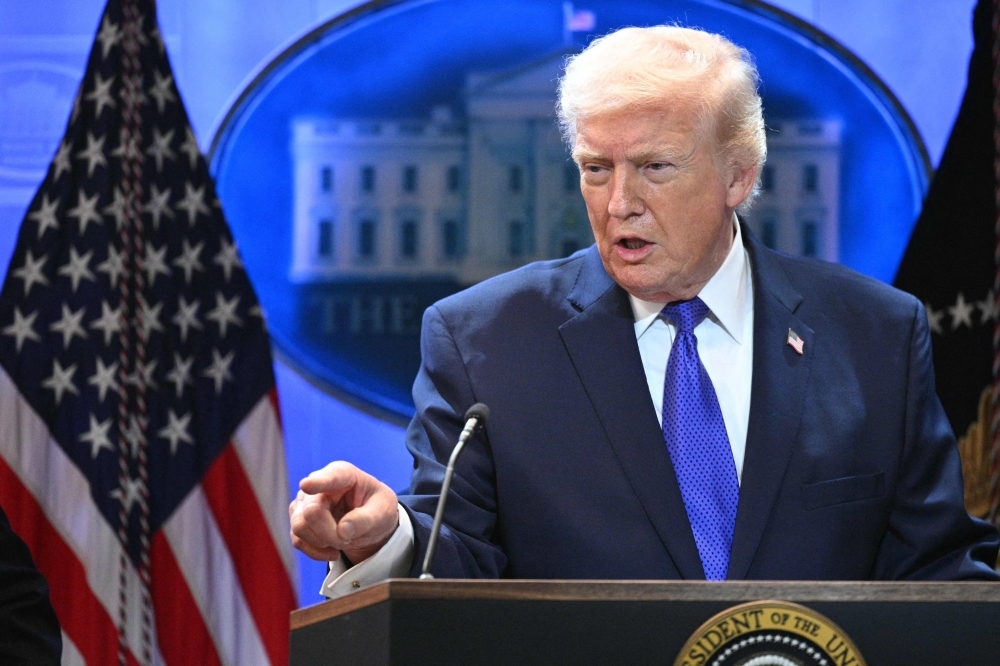
Amid escalating tensions and a US military buildup in the Middle East, coupled with increasingly harsh rhetoric between Washington and Tehran, global economic experts are painting grim scenarios for any potential military confrontation. Warnings are mounting that the repercussions of a war in this vital region would not be confined to the immediate parties involved, but would extend to the very heart of the global economy, sending shockwaves from the Strait of Hormuz to consumers' pockets and global financial markets.
A historical background of ongoing tension
US-Iranian relations did not suddenly reach this level of tension, but are the product of decades of hostility that began with the Islamic Revolution in Iran in 1979. Despite periods of calm, most notably the conclusion of the nuclear agreement (Joint Comprehensive Plan of Action) in 2015, the US withdrawal from the agreement in 2018 and its re-imposition of harsh economic sanctions under the “maximum pressure” policy brought tensions back to their peak and put the region on the brink of a dangerous confrontation.
The Strait of Hormuz: The world's energy lifeline in the crosshairs
The greatest danger lies in the Strait of Hormuz, the strategic waterway through which roughly a third of the world's seaborne oil exports pass, along with vast quantities of liquefied natural gas, aluminum, and copper. At its narrowest point, the strait is only 54 kilometers wide between the Iranian coast and Oman's Musandam Peninsula, with no viable alternative routes for rerouting these enormous supplies. Any closure of the strait, even a temporary one, would mean an immediate spike in oil prices to $100 a barrel or more, with repercussions for global gas markets, potentially triggering a global energy crisis.
Triple shock: recession, oil, and inflation
Experts estimate that a sustained 20% to 30% increase in oil prices would have a serious impact on the global economy. This impact would manifest as a contraction in global growth of 0.5% to 1%, and a similar rise in inflation. This toxic mix would revive the specter of stagflation, a scenario in which central banks struggle to decide whether to raise interest rates to curb inflation or lower them to stimulate growth. Furthermore, stock markets are expected to experience significant volatility, with sharp fluctuations in energy-related sectors.
Safe havens shine in the sky of war
In an escalation scenario, experts anticipate a surge in demand for safe-haven assets. Investors will flock to traditional havens like gold and silver, potentially driving their prices to record highs. Conversely, with rising inflation expectations and slowing growth, government bond markets will experience sharp volatility, as the yield curve is expected to steepen further while central banks grapple with an increasingly complex economic landscape.
Iran in a predicament: potential “economic suicide”
Analysts believe that any Iranian action in the Strait of Hormuz would be tantamount to economic suicide for Tehran itself. Closing the strait would mean a complete halt to its oil exports, eliminating the main source of income for the Iranian regime, which is already reeling under the weight of sanctions. Iran produces about 4% of the world's oil supply, amounting to 3.5 million barrels per day, most of which goes to Asian markets, primarily China. Any disruption to these exports would deal a devastating blow to its struggling economy.
Most likely scenario: Diplomacy on the brink
Despite the military and rhetorical escalation, the primary scenario favored by experts remains a diplomatic settlement that would avert a devastating war in the region and the world. They base this on the relative calm in financial markets so far, which have not yet fully priced in the risks of escalation. However, the greatest warning remains: any miscalculation by either side could ignite a crisis that would extend from the Gulf to consumers worldwide.