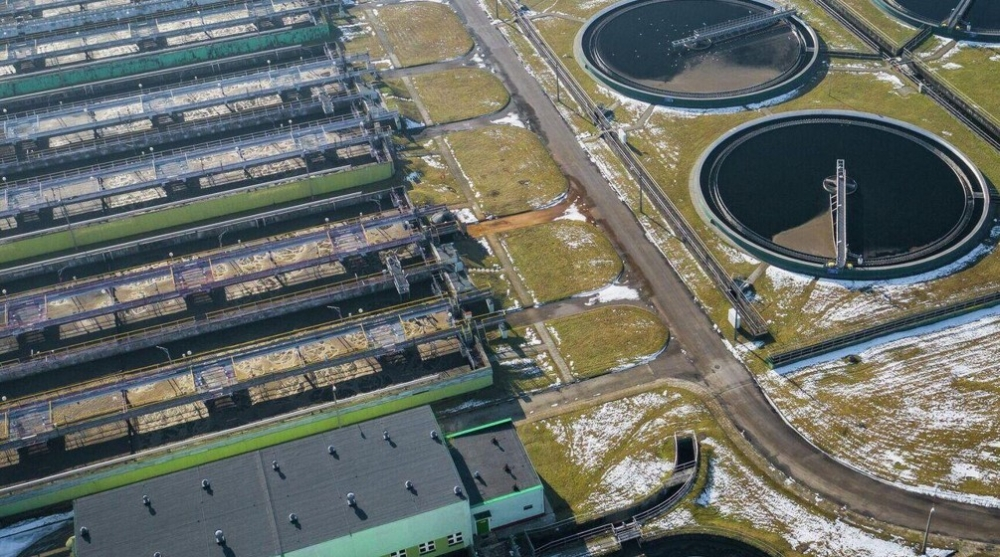
في خطوة علمية رائدة تعزز من مفاهيم الاستدامة البيئية، نجح فريق من العلماء في جامعة ألتاي التقنية الحكومية في روسيا في تطوير طريقة مبتكرة واقتصادية لمعالجة المياه، تعتمد بشكل أساسي على إعادة تدوير نفايات الرخويات. وتأتي هذه التقنية لتقدم حلاً مزدوجاً لمشاكل التلوث البيئي ونقص الموارد المائية النظيفة، مستفيدة من الموارد الطبيعية المهملة لتحويلها إلى أدوات فعالة في حماية البيئة.
تفاصيل الابتكار التقني
تعتمد التكنولوجيا الجديدة على تحويل قواقع الحلزونات، التي تُعد عادةً نفايات صلبة ناتجة عن مزارع تربية الرخويات، إلى مادة امتصاص عالية الكفاءة. وتتميز هذه المادة بقدرتها الفائقة على تنقية المياه من المعادن الثقيلة والشوائب الضارة. ووفقاً للنتائج المعلنة، فإن المادة الناتجة عبارة عن قشور ذات لون بني تتراوح بين الفاتح والغامق، وهي غير قابلة للذوبان في الماء أو المذيبات العضوية، مما يجعلها مثالية لعمليات الترشيح الفيزيائي.
وتشير البيانات التقنية إلى أن هذه الطريقة تساهم في تقليل وقت الإنتاج بشكل كبير، حيث اختصرت العملية من عدة ساعات في الطرق التقليدية إلى نحو ساعة واحدة فقط. علاوة على ذلك، تتمتع التكنولوجيا بكفاءة عالية للمنتج النهائي تتجاوز نسبة (90%)، مع قدرة امتصاص لا تقل عن (50) ملليغراماً من المعادن الثقيلة لكل غرام من المادة المعالجة، وتصل فعالية إزالة مركبات المعادن الثقيلة من المياه إلى نسبة لا تقل عن (80%).
سياق التحديات المائية العالمية
يأتي هذا الابتكار في وقت يواجه فيه العالم تحديات متزايدة تتعلق بتلوث مصادر المياه وندرتها. وتُعد المعادن الثقيلة مثل الرصاص والزئبق والكادميوم من أخطر الملوثات التي تهدد الصحة العامة والنظم البيئية، حيث تتطلب إزالتها عادةً عمليات معقدة ومكلفة. الطرق التقليدية غالباً ما تعتمد على المعالجة الكهروكيميائية كثيفة استهلاك الطاقة، والتي قد تؤدي إلى تآكل المعدات وانبعاث غازات ضارة مثل الكلور أو ثاني أكسيد الكبريت، وهو ما نجح الابتكار الروسي في تجنبه تماماً، مقدماً بديلاً نظيفاً وآمناً.
الأثر الاقتصادي والبيئي (الاقتصاد الدائري)
تكمن الأهمية الاستراتيجية لهذا البحث في تطبيقه لمبادئ الاقتصاد الدائري. فبدلاً من التخلص من نفايات مزارع الرخويات بطرق قد تكون ضارة أو مكلفة، يتم تحويل هذه النفايات إلى مورد ذي قيمة اقتصادية عالية. هذا النهج لا يحل مشكلة تراكم النفايات العضوية فحسب، بل يوفر أيضاً مادة امتصاص رخيصة الثمن يمكن استخدامها في الدول النامية والمناطق التي تعاني من شح في الموارد المالية اللازمة لإنشاء محطات تنقية مياه تقليدية باهظة الثمن.
ختاماً، يمثل هذا التطوير نموذجاً يحتذى به في كيفية تسخير البحث العلمي لخدمة البيئة والاقتصاد في آن واحد، موفراً حلاً مستداماً يضمن مياهاً أنظف وكوكباً أكثر صحة للأجيال القادمة.