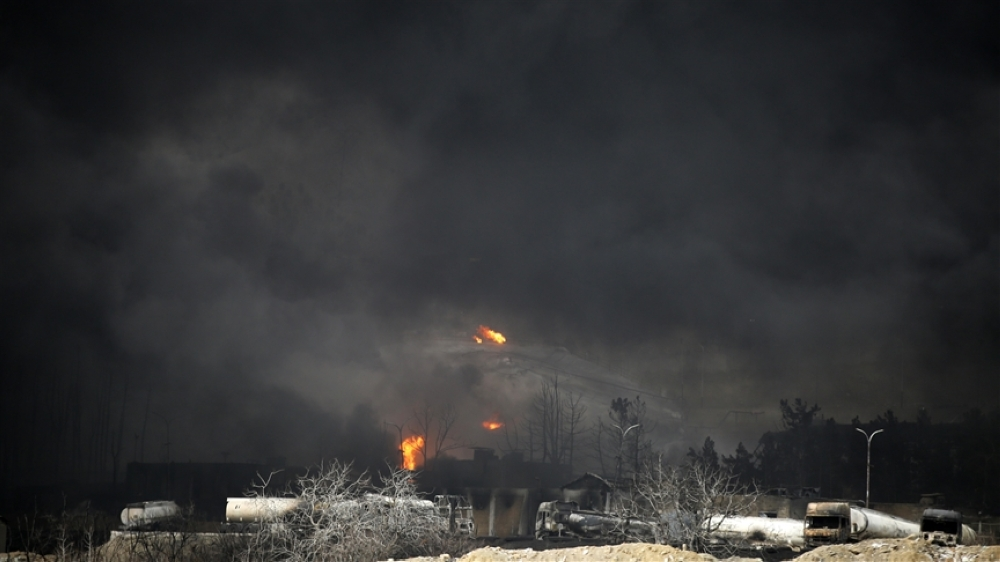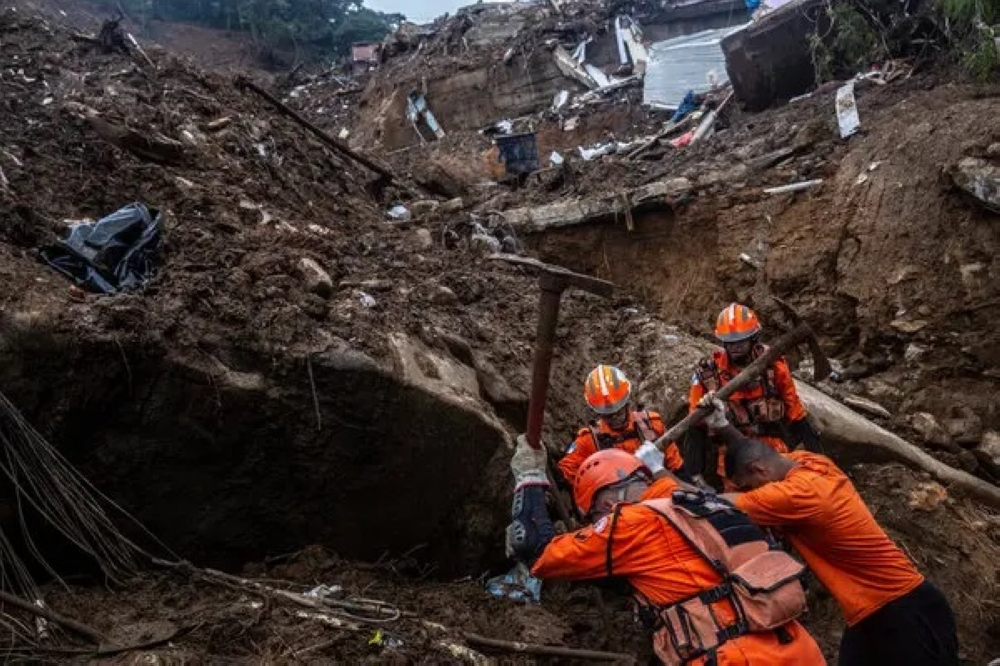
The China Earthquake Networks Center announced Thursday evening that a 5.0 magnitude earthquake struck Zunyi County in Nagqu City, Xicang (Tibet) Autonomous Prefecture, southwest China. The quake occurred at 7:59 PM Beijing time, prompting close monitoring by disaster response authorities across the country.
According to technical data released by the center, the epicenter was precisely located at 32.95 degrees north latitude and 88.65 degrees east longitude. Initial reports indicated that the earthquake occurred at a depth of 10 kilometers, which geologically classifies as a "shallow" earthquake. Shallow earthquakes are generally more noticeable on the surface than deep earthquakes, although the geographical characteristics of the area may influence the actual magnitude of the impact.
The geographical and demographic context of the region
Nagqu County, which includes Zunyi Prefecture, is located in the northern part of the Xitsang region of Tibet. This region is one of the highest inhabited areas in the world, with an average elevation of over 4,500 meters above sea level, and is known as the "Roof of the World." Due to its harsh climate and rugged terrain, the region has a very low population density, which typically reduces the risk of significant loss of life in the event of moderate earthquakes like this one, compared to densely populated urban areas.
Geological background and tectonic activity
Geologically, seismic activity in and around the Chitsang region is not uncommon; it is part of the area's tectonic nature. This region lies within the continental collision zone between the Indian and Eurasian plates. The Indian plate continues to move northward and collide with the Eurasian plate, historically uplifting the Tibetan Plateau and forming the Himalayan mountain range. This ongoing tectonic pressure leads to an accumulation of energy in the Earth's crust, which is released periodically in the form of earthquakes of varying intensity.
The importance of monitoring and follow-up
Chinese authorities place great importance on monitoring seismic activity in these remote areas, given its potential impact on infrastructure and transportation projects connecting Tibet to the rest of China. As of the time of this report, emergency teams and the China Earthquake Networks Center are continuing to assess the situation on the ground to ensure the safety of residents and infrastructure in villages and towns near the epicenter. No official reports of significant material damage or injuries have yet been released.