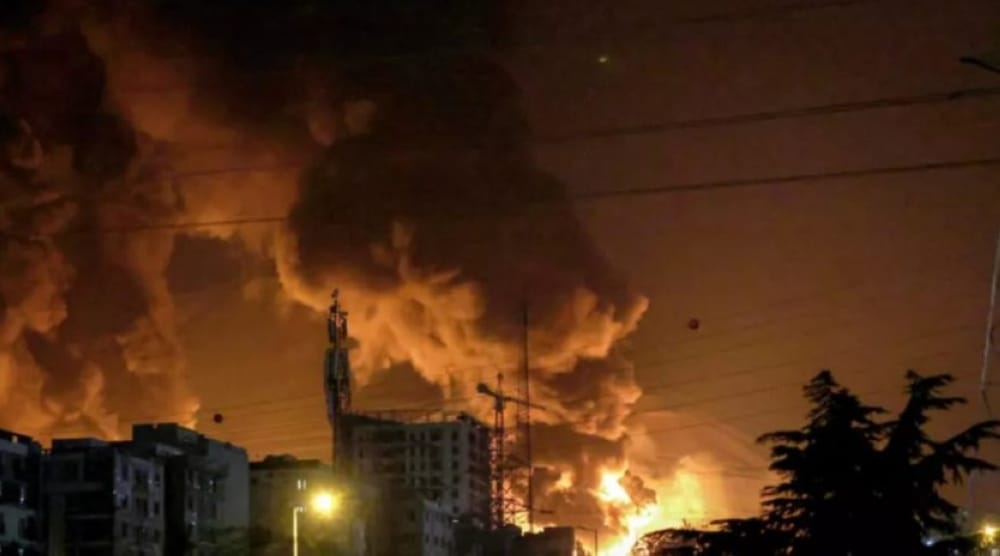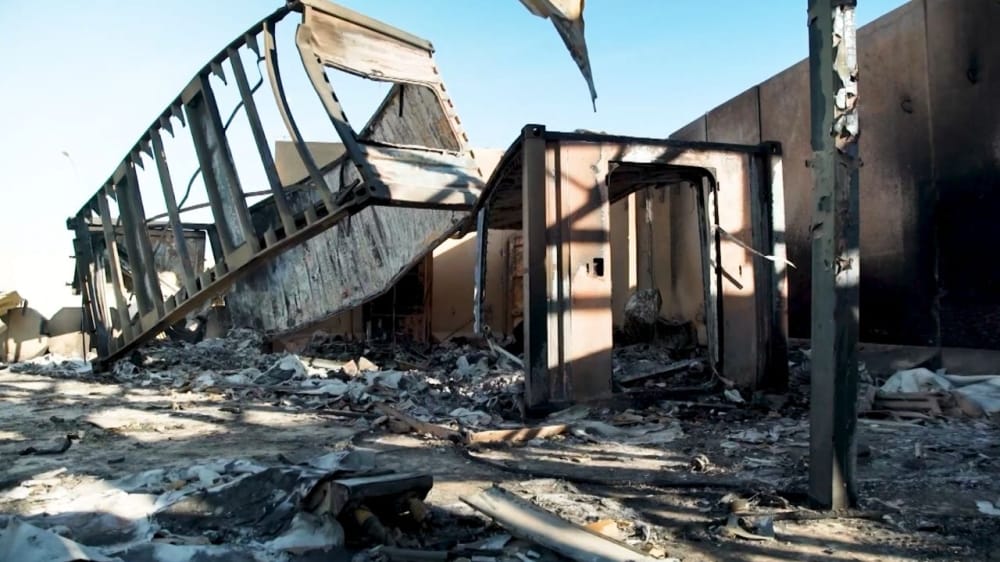
ضرب زلزال متوسط القوة بلغت شدته 5.73 درجة على مقياس ريختر، صباح يوم الأحد، مناطق واقعة في جنوب إيران، مما أثار حالة من القلق في المنطقة. وقد رصدت الهزة الأرضية بدقة من قبل محطات الشبكة الوطنية للرصد الزلزالي التابعة لهيئة المساحة الجيولوجية السعودية، التي حددت وقت وقوعه في تمام الساعة 8:11:24 صباحًا بتوقيت المملكة.
السياق الجيولوجي لإيران والمنطقة
تقع إيران في واحدة من أكثر المناطق نشاطًا زلزاليًا في العالم، حيث تقع على حزام الاصطدام بين الصفيحة الأوراسية والصفيحة العربية. يؤدي هذا التصادم المستمر، الذي يتحرك بمعدل بضعة سنتيمترات سنويًا، إلى تشكل سلاسل جبلية ضخمة مثل جبال زاغروس في جنوب وغرب إيران، وهي منطقة معروفة بنشاطها الزلزالي الكثيف. هذا الوضع الجيولوجي يجعل البلاد عرضة لهزات أرضية متكررة، بعضها كان مدمرًا عبر التاريخ، مما يضع البنية التحتية والسكان في حالة تأهب دائمة.
أهمية الرصد الإقليمي والتأثيرات المحتملة
يأتي رصد هذا الزلزال من قبل هيئة المساحة الجيولوجية السعودية ليؤكد على الطبيعة العابرة للحدود للظواهر الجيولوجية. فالنشاط التكتوني في جنوب إيران له تأثير مباشر على استقرار الصفيحة العربية بأكملها، بما في ذلك دول الخليج العربي. إن المراقبة الدقيقة والمستمرة التي تقوم بها الشبكة الوطنية للرصد الزلزالي لا تخدم المملكة فقط، بل تساهم في بناء قاعدة بيانات إقليمية شاملة تساعد في فهم المخاطر الزلزالية وتقييمها بشكل أفضل. يمكن لزلزال بهذه القوة أن يشعر به سكان المناطق الساحلية في الدول المجاورة، مما يستدعي وجود أنظمة إنذار مبكر وتنسيق إقليمي لمواجهة الكوارث الطبيعية.
تاريخ من الزلازل وتحديات البنية التحتية
لإيران تاريخ طويل مع الزلازل المدمرة. ففي عام 2003، ضرب زلزال مدمر مدينة بام التاريخية، مما أسفر عن مقتل أكثر من 26 ألف شخص وتدمير أجزاء كبيرة من المدينة. وفي عام 1990، أودى زلزال آخر في شمال إيران بحياة ما يقدر بنحو 40 ألف شخص. هذه الأحداث المأساوية تسلط الضوء على أهمية تطبيق معايير بناء مقاومة للزلازل. وفي منطقة جنوب إيران، يزداد القلق نظرًا لوجود منشآت حيوية واستراتيجية، بما في ذلك محطة بوشهر للطاقة النووية، والتي رغم تصميمها لتحمل هزات قوية، إلا أن أي نشاط زلزالي بالقرب منها يثير اهتمامًا دوليًا واسعًا لضمان سلامة المنشآت النووية في المنطقة.