The state of Oaxaca in southern Mexico experienced significant seismic activity today, with a 5.3 magnitude earthquake striking the region, causing concern among residents and local authorities, although no major losses were immediately reported.
Earthquake details and geological survey data
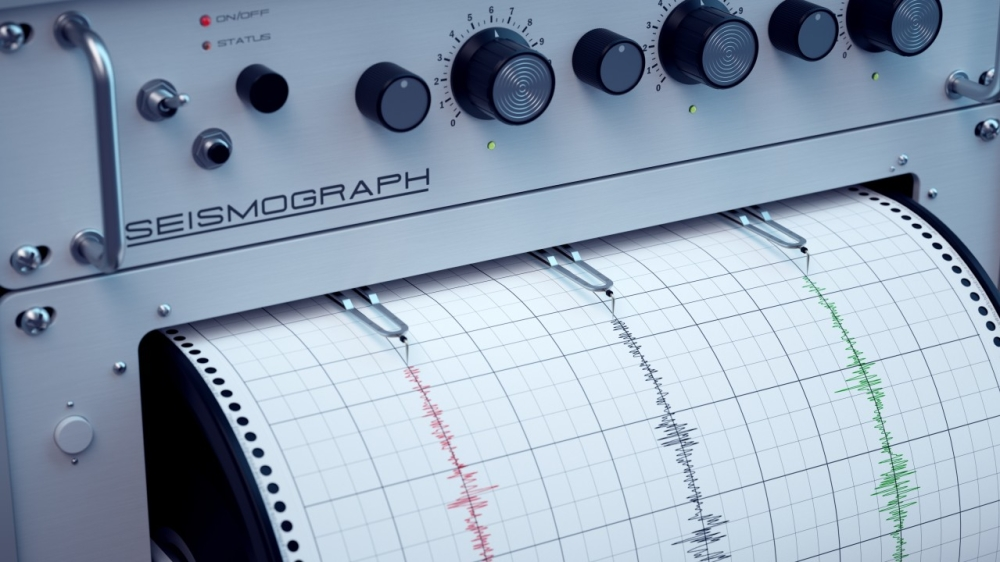
According to a statement from the U.S. Geological Survey (USGS), the global authority on earthquake monitoring, the epicenter was located approximately 23 kilometers from the city of Salina Cruz. Technical data indicated that the quake occurred at an average depth of 62.2 kilometers below the Earth's surface. While earthquakes at an average depth typically have less destructive impact on the surface than shallow earthquakes, they are often felt over a wider area.
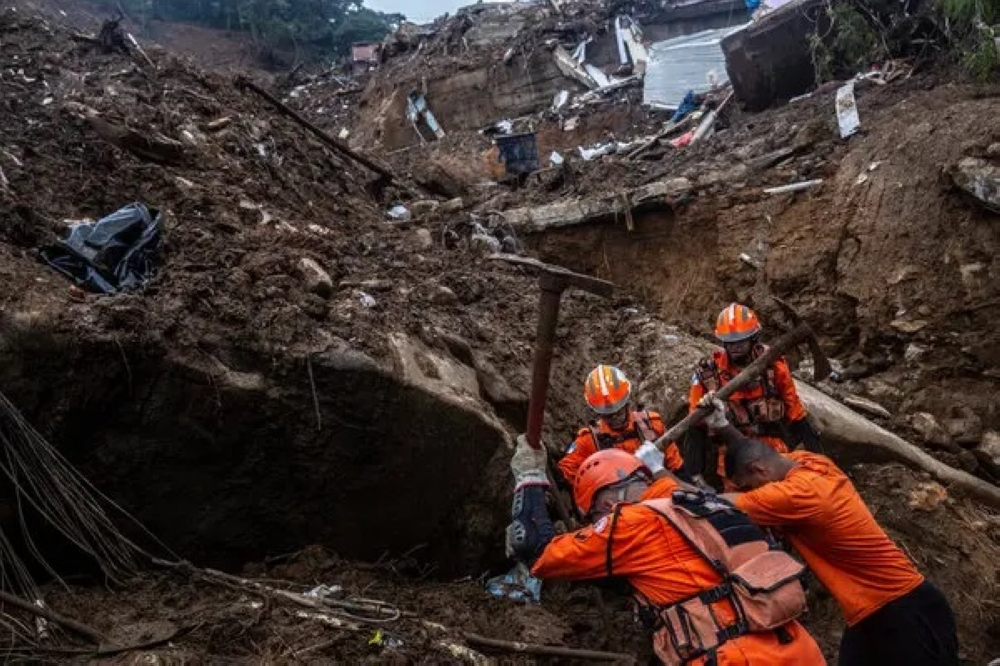
As of the time of writing this report, neither the Mexican authorities nor the civil defense teams have issued any official reports of serious material damage to infrastructure or human casualties, but surveys and assessments are continuing in areas near the epicenter to ensure the safety of the population.
Mexico and the Ring of Fire: An Important Geological Context
This event is not unusual for Mexico, which is considered one of the most seismically active countries in the world. The country lies on a complex geological zone known as the Pacific Ring of Fire, an area that experiences approximately 90% of the world's earthquakes. Mexico is directly affected by the movement of tectonic plates, specifically the Cocos Plate, which subducts beneath the North American Plate, generating immense pressure that is released in the form of frequent earthquakes.
Oaxaca's history with earthquakes
The state of Oaxaca is a seismically active hotspot in Mexico, having historically experienced numerous powerful tremors. Recent memory recalls the strong 7.4 magnitude earthquake that struck the region in June 2020, causing significant damage and triggering tsunami warnings. This active geological history keeps local residents on high alert and has prompted the Mexican government to develop some of the most advanced early warning systems in Latin America.
The importance of follow-up and safety procedures
This earthquake serves as a constant reminder of the importance of preparing for natural disasters. Mexican civil protection agencies consistently urge citizens to follow safety guidelines, keep emergency kits readily available, and participate in regular evacuation drills organized by the state to minimize potential risks in the event of larger earthquakes.