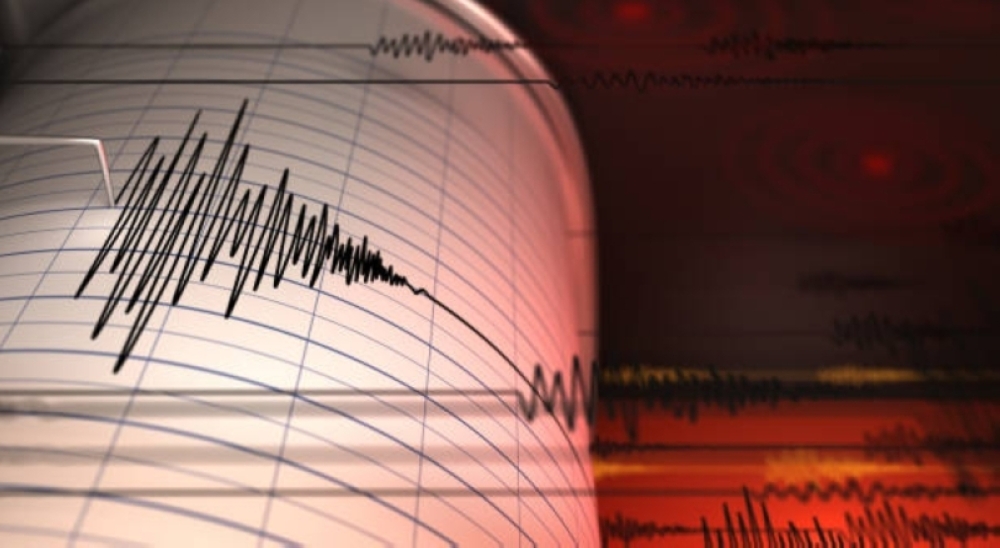
Greece experienced a significant geological event on Friday evening when a powerful earthquake measuring 6.36 on the Richter scale struck parts of the country, triggering widespread concern and caution. According to data from the German Research Centre for Geosciences (GFZ), the earthquake's epicenter was at a very shallow depth of only 10 kilometers, which typically makes the tremor more intense than at deeper earthquakes.
Earthquake details
Seismic monitoring stations recorded the tremor late Friday evening. Despite the earthquake's relative strength exceeding 6 on the Richter scale, no official reports of casualties or significant damage to infrastructure have been received so far. Earthquakes occurring at shallow depths (such as 10 km) are considered potentially more dangerous because the seismic energy does not have enough distance to dissipate before reaching the surface, thus amplifying the seismic impact in areas near the epicenter.
Geological context: Why Greece?
Greece is one of the most seismically active countries in Europe and the world due to its complex geological location. The country lies at the meeting point of two major tectonic plates: the African Plate and the Eurasian Plate. The African Plate is slowly moving northward, subducting beneath the Eurasian Plate in what is known as the Hellenic Arc. This constant friction and immense pressure, generated over millions of years, is the primary cause of the frequent seismic activity in the region.
History of seismic activity
Historically, the Mediterranean region, and Greece in particular, has experienced numerous powerful earthquakes, leading to a heightened awareness among authorities and citizens of the need for preparedness. As a result, Greece enforces strict earthquake-resistant building codes, which often contributes to reducing the extent of damage compared to other countries that might experience similarly powerful earthquakes. However, vigilance remains essential, as large earthquakes are often followed by aftershocks that can last for days or weeks.
Regional impact and follow-up
Neighboring countries, particularly those in the Mediterranean basin such as Turkey and Italy, often feel the effects of earthquakes in Greece. Sometimes, the tremors even reach the coasts of North Africa and Egypt, depending on the earthquake's magnitude and precise location. Greek authorities and civil protection teams continue to survey affected areas to ensure the safety of residents and buildings, urging the public to follow safety guidelines and stay away from old or damaged buildings as a precaution.