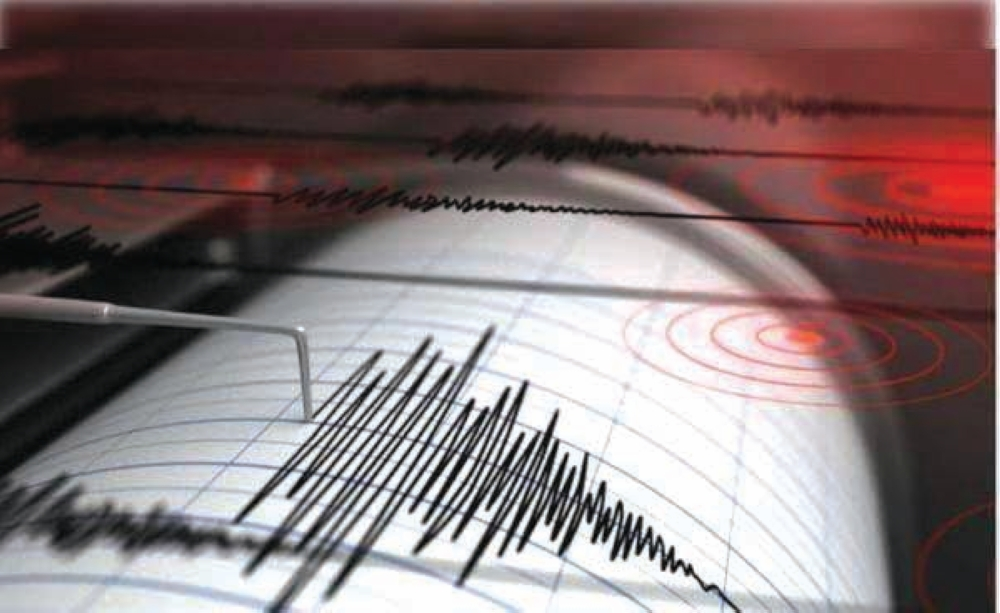
سجلت محطات الرصد الزلزالي في اليابان، اليوم الخميس، وقوع زلزال بلغت قوته 5.2 درجات على مقياس ريختر، ضرب منطقة "هيدا" الواقعة في محافظة "جيفو" بوسط البلاد، وذلك وفقاً لما أعلنته هيئة الأرصاد الجوية اليابانية.
وأكدت الهيئة في بيانها الرسمي أنه لم ترد أي تقارير فورية تفيد بوقوع ضحايا أو إصابات بشرية، كما لم يتم رصد أي خسائر مادية جسيمة في البنية التحتية أو المباني السكنية في المناطق القريبة من مركز الزلزال. وفي سياق متصل، طمأنت السلطات المواطنين بعدم وجود أي مخاوف من حدوث موجات مد عاتية (تسونامي) جراء هذه الهزة الأرضية، نظراً لطبيعة الموقع الجغرافي وقوة الزلزال المتوسطة.
اليابان وحزام النار.. سياق جيولوجي مستمر
يأتي هذا الحدث كجزء من النشاط الزلزالي المعتاد في الأرخبيل الياباني، حيث تقع اليابان في واحدة من أكثر المناطق نشاطاً زلزالياً وبركانياً في العالم، والمعروفة باسم "حزام النار" في المحيط الهادئ. وتحدث في هذه المنطقة حوالي 20% من الزلازل التي تبلغ قوتها 6 درجات أو أكثر على مستوى العالم سنوياً. وتعيش اليابان حالة من التأهب الدائم نظراً لوقوعها عند تقاطع أربع صفائح تكتونية رئيسية، مما يجعل الأرض تحتها في حالة حركة مستمرة.
البنية التحتية ومعايير السلامة اليابانية
على الرغم من أن زلزالاً بقوة 5.2 درجات قد يعتبر مدمراً في دول أخرى تفتقر للبنية التحتية المناسبة، إلا أن تأثيره في اليابان غالباً ما يكون محدوداً للغاية. يعود ذلك إلى القوانين الصارمة ومعايير البناء الهندسية المتقدمة التي تفرضها الحكومة اليابانية، والتي تضمن قدرة المباني والجسور وشبكات المواصلات على امتصاص الصدمات والاهتزازات الأرضية. هذه الاستعدادات الهندسية، إلى جانب أنظمة الإنذار المبكر المتطورة التي ترسل تنبيهات للهواتف المحمولة قبل ثوانٍ من وصول الموجات الزلزالية القوية، تلعب دوراً حاسماً في تقليل الخسائر وحماية الأرواح.
طبيعة منطقة جيفو وتأثير الزلازل
تتميز محافظة "جيفو"، التي وقع فيها الزلزال، بطبيعتها الجبلية وبعدها النسبي عن الساحل مقارنة بالمحافظات الشرقية، مما يقلل عادة من مخاطر التسونامي المباشرة، إلا أن السلطات تظل يقظة دائماً لمخاطر أخرى مثل الانهيارات الأرضية في المناطق الجبلية الوعرة، خاصة إذا تزامنت الهزات مع مواسم الأمطار. ويعد هذا الزلزال تذكيراً مستمراً بأهمية الجاهزية للكوارث الطبيعية، وهو درس تتقنه اليابان وتصدره للعالم كنموذج في إدارة الأزمات والكوارث الطبيعية.