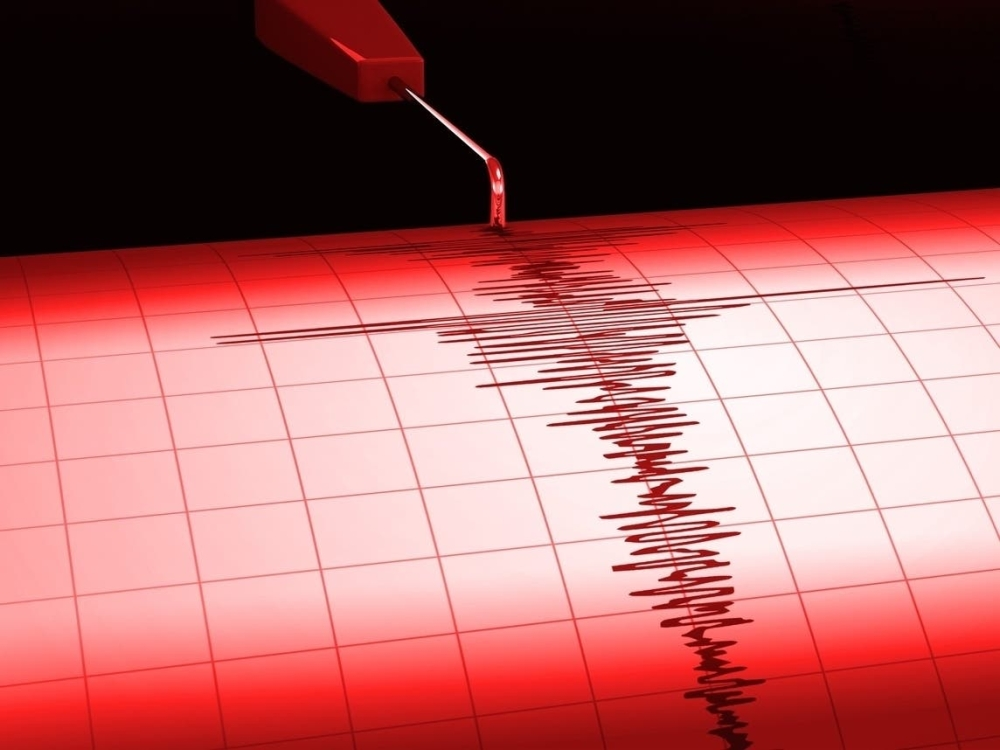
أعلنت هيئات الرصد الجيولوجي العالمية، اليوم، عن رصد نشاط زلزالي ملحوظ في أقصى الشرق الروسي، حيث ضرب زلزال بلغت قوته 4.8 درجات على مقياس ريختر مدينة "بيتروبافلوفسك كامتشاتسكي"، الواقعة في شبه جزيرة كامتشاتكا الاستراتيجية. ويأتي هذا الحدث ليعيد تسليط الضوء على الطبيعة الجيولوجية النشطة لهذه المنطقة التي تعد واحدة من أكثر بقاع الأرض تحركاً.
تفاصيل الهزة الأرضية في كامتشاتكا
وفقاً للبيانات الصادرة عن هيئة المسح الجيولوجي الأمريكية (USGS)، تم تحديد مركز الزلزال بدقة، حيث وقعت الهزة على عمق 75.5 كيلومتراً تحت سطح الأرض. ورغم أن الزلازل التي تحدث في مثل هذا العمق غالباً ما يشعر بها السكان بشكل أقل حدة مقارنة بالزلازل السطحية، إلا أن الأجهزة الدقيقة رصدت الارتدادات بوضوح. وحتى اللحظة، لم تصدر أي بيانات رسمية من السلطات الروسية تفيد بوقوع خسائر بشرية أو أضرار مادية في البنية التحتية للمدينة، كما لم يتم إصدار أي تحذيرات بشأن احتمالية حدوث موجات مد عاتية (تسونامي) عقب الهزة.
كامتشاتكا وحزام النار.. سياق جيولوجي ساخن
لا يعد هذا الزلزال حدثاً نادراً أو معزولاً في سياق الجغرافيا الطبيعية للمنطقة؛ فشبه جزيرة كامتشاتكا تقع في قلب ما يعرف بـ "حزام النار" في المحيط الهادئ. هذه المنطقة هي عبارة عن قوس واسع يمتد لمسافة 40 ألف كيلومتر، ويشهد نشاطاً زلزالياً وبركانياً هو الأعنف على مستوى العالم. وتتميز كامتشاتكا بكونها نقطة التقاء لعدة صفائح تكتونية، حيث تنزلق صفيحة المحيط الهادئ تحت صفيحة أوخوتسك، مما يولد ضغطاً هائلاً يتحرر دورياً على شكل زلازل وثورات بركانية.
الأهمية الجغرافية والتاريخ الزلزالي للمنطقة
تكتسب هذه المنطقة أهمية خاصة ليس فقط لروسيا بل للعالم أجمع، نظراً لطبيعتها الفريدة. تضم شبه الجزيرة أكثر من 160 بركاناً، منها حوالي 29 بركاناً لا تزال نشطة، مما جعلها تدرج ضمن مواقع التراث العالمي لليونسكو. تاريخياً، شهدت كامتشاتكا زلازل مدمرة، أبرزها زلزال عام 1952 الذي بلغت قوته 9.0 درجات، والذي يعد من أقوى الزلازل المسجلة في التاريخ الحديث. لذلك، فإن زلزالاً بقوة 4.8 درجات، رغم تصنيفه كزلزال متوسط، يتم التعامل معه بجدية تامة من قبل مراكز الرصد والمتابعة، حيث يعتبر تذكيراً مستمراً بالقوة الكامنة في باطن الأرض في تلك البقعة النائية من العالم.
تأثير الحدث والمتابعة المستمرة
على الرغم من عدم تسجيل أضرار فورية، فإن السلطات المحلية في الشرق الأقصى الروسي تحافظ دائماً على جاهزية عالية للتعامل مع الكوارث الطبيعية. وتستمر فرق الطوارئ والعلماء في مراقبة النشاط الارتدادي المحتمل، لضمان سلامة السكان في مدينة بيتروبافلوفسك والمناطق المحيطة بها. ويؤكد الخبراء أن البنية التحتية في هذه المناطق مصممة غالباً لتقاوم الهزات الأرضية المتوسطة والقوية، نظراً للتاريخ الطويل من التعايش مع غضب الطبيعة في حزام النار.