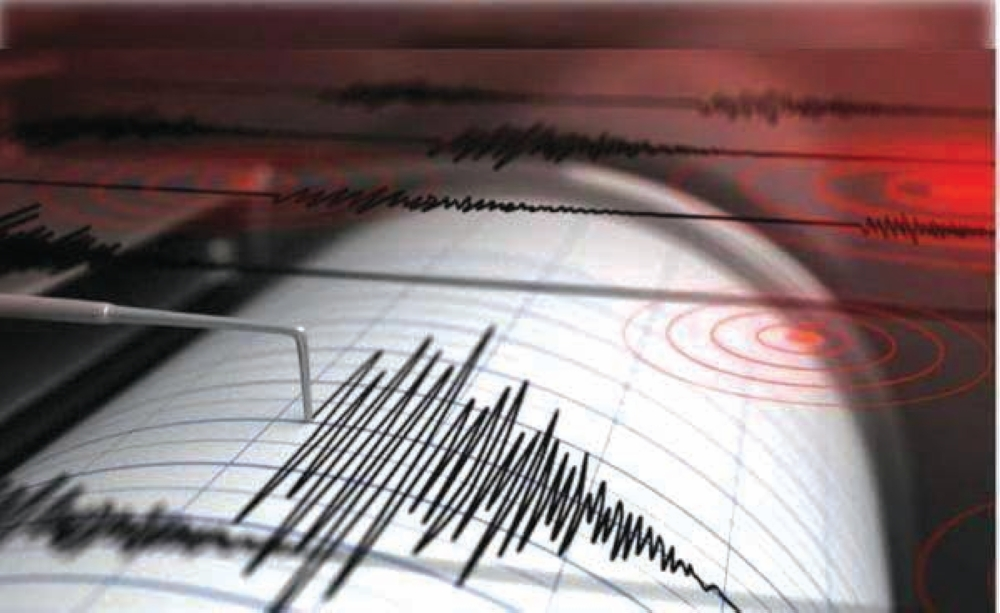
A moderate earthquake measuring 5.5 on the Richter scale struck the Cuban capital, Havana, and surrounding areas, causing alarm among residents who clearly felt the tremor. The European-Mediterranean Seismological Centre (EMSC) confirmed the earthquake, noting that its initial estimate of 5.9 was later revised.
According to data released by the center, the earthquake's epicenter was located at a relatively shallow depth of approximately 15 kilometers below the Earth's surface. Earthquakes at shallow depths tend to have a greater impact on the surface, as the seismic waves arrive with greater force, increasing the intensity of the shaking felt by residents and raising the likelihood of damage to buildings and infrastructure.
Geological context and seismic activity in Cuba
Cuba lies in a seismically active region due to its geographical location near the northern edge of the Caribbean Plate, where it meets the North American Plate. The Eastern Fault Zone, which runs along the island's southeastern coast, is the primary source of most of the strong earthquakes that have historically struck the country. For this reason, eastern Cuba, such as Santiago de Cuba, is more prone to earthquakes than western areas, including the capital, Havana. Although earthquakes around Havana are less frequent, this event serves as a reminder that seismic risk exists throughout the island.
The importance and potential effects of an earthquake
Locally, an earthquake of this magnitude raises concerns about the safety of buildings, particularly in the historic districts of Old Havana, which contain many historical structures that may not have been designed to withstand strong tremors. Cuban emergency and civil defense teams quickly assessed potential damage and ensured the safety of residents. There were no immediate reports of serious injuries or major property damage.
Regionally, this earthquake serves as a reminder to all Caribbean nations of the need to strengthen their preparedness measures for natural disasters. The entire region, including the US state of Florida, the Bahamas, and neighboring countries, lies within an active seismic belt that requires continuous monitoring and strict adherence to earthquake-resistant building standards. Experts emphasize that such events highlight the importance of regional cooperation in earthquake monitoring and information sharing to ensure a rapid and effective response to future disasters.