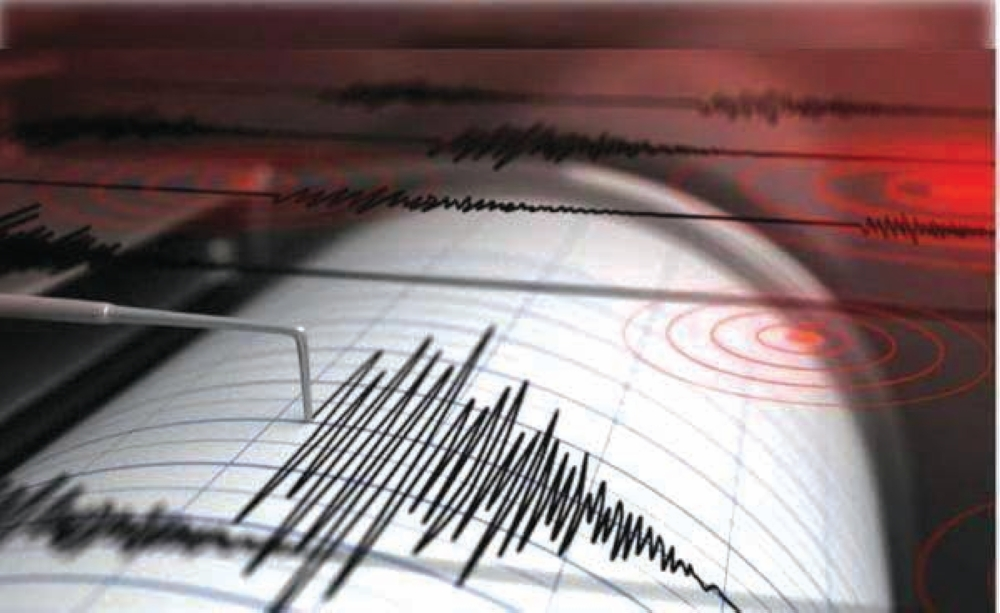
A moderate earthquake measuring 4.8 on the Richter scale struck the island of Crete in southern Greece today, causing concern among local residents and tourists, but there were no immediate reports of casualties or major material damage.
Earthquake details
According to data from the Athens Geodynamic Institute, the earthquake's epicenter was located underwater at 12:33 a.m. local time. It was located approximately 56 kilometers west of the town of Paleochora, in the western part of Crete, at a focal depth of 29.5 kilometers. Earthquakes at this depth typically have a lower intensity on the surface, thus limiting potential damage.
Geological context: Why is Greece a seismically active region?
Greece lies in one of the most seismically active regions in Europe and the world, due to its complex geographical location at the meeting point of three major tectonic plates: the Eurasian Plate, the African Plate, and the Aegean Subplate. The African Plate moves northward and slides beneath the Aegean Plate along a region known as the Hellenic Arc, a subduction zone that stretches from the Ionian Islands in the west to Rhodes in the east, passing through southern Crete. This continuous movement of tectonic plates results in a massive buildup of energy that is periodically released as earthquakes. Crete, in particular, is one of the most seismically active areas due to its proximity to this active arc.
The importance and expected impact of the earthquake
Although a 4.8 magnitude earthquake is classified as “moderate,” it is clearly felt in areas near its epicenter and can cause minor damage to older buildings or those that do not meet earthquake-resistant standards. The immediate local impact of this tremor was limited, with local authorities confirming they received no reports of injuries or significant damage. Regionally, these tremors serve as a constant reminder of the seismic hazards in the Mediterranean basin, prompting countries in the region to strengthen cooperation in seismic monitoring and develop emergency response plans. Furthermore, the ongoing seismic activity in Greece necessitates updating and strictly enforcing building codes to ensure the safety of critical infrastructure and residential and tourist areas that form the backbone of the Greek economy.