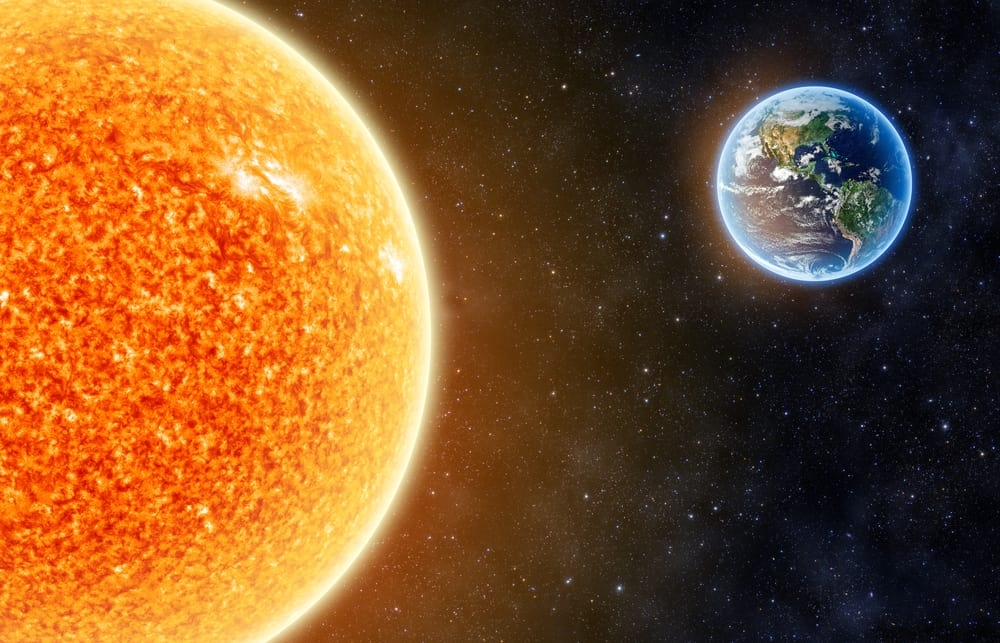
تترقب الأوساط العلمية والفلكية حدثاً سنوياً بارزاً يوم السبت المقبل، الموافق 3 يناير 2026، حيث تصل الكرة الأرضية إلى نقطة «الحضيض»، وهي أقرب مسافة لها من الشمس على مدار العام. ومن المتوقع أن تبلغ الأرض هذه النقطة عند الساعة 08:00 مساءً بتوقيت مكة المكرمة (05:00 مساءً بتوقيت غرينتش)، في ظاهرة فلكية تتكرر مطلع كل عام ميلادي، وتحديداً خلال فصل الشتاء في النصف الشمالي من الكرة الأرضية.
الميكانيكا السماوية: لماذا تتغير المسافة؟
لفهم هذه الظاهرة، يجب العودة إلى القوانين التي تحكم حركة الكواكب. فكما أوضح المهندس ماجد أبو زاهرة، فإن مدار الأرض حول الشمس ليس دائرياً تماماً كما قد يتخيله البعض، بل هو مدار «إهليلجي» أو بيضاوي الشكل. هذا الشكل الهندسي للمدار، الذي اكتشفه العالم يوهانس كيبلر في القرن السابع عشر، يعني أن المسافة بين الأرض والشمس ليست ثابتة، بل تتغير بشكل دوري أثناء دوران الأرض حول النجم الأم.
في لحظة الحضيض يوم السبت، ستكون المسافة بين الأرض والشمس حوالي 147,099,587 كيلومتراً. وللمقارنة، فإن هذا الرقم يقل بنحو 5 ملايين كيلومتر عن المسافة التي ستسجلها الأرض بعد ستة أشهر، وتحديداً في السادس من يوليو، عندما تصل إلى نقطة «الأوج» (أبعد نقطة)، حيث تبلغ المسافة حينها قرابة 152,081,196 كيلومتراً.
هل يعني القرب ارتفاع درجات الحرارة؟
من الأخطاء الشائعة الاعتقاد بأن قرب الأرض من الشمس في شهر يناير يؤدي إلى ارتفاع درجات الحرارة. والحقيقة العلمية تؤكد أن المسافة بين الأرض والشمس ليست العامل المؤثر في تعاقب الفصول الأربعة. السبب الرئيسي لحدوث الفصول هو ميل محور دوران الأرض بزاوية تبلغ نحو 23.5 درجة. ففي شهر يناير، يكون القطب الشمالي مائلاً بعيداً عن الشمس، مما يقلل من كمية الإشعاع الشمسي المباشر ويسبب فصل الشتاء، بينما يميل النصف الجنوبي نحو الشمس، مما يجعله يعيش فصل الصيف.
ومع ذلك، فإن لقرب الأرض تأثيرات فيزيائية أخرى؛ حيث يبدو قرص الشمس ظاهرياً أكبر حجماً بنسبة 7% وأكثر سطوعاً مقارنة بوقت الأوج، وهو فارق قد لا تلاحظه العين المجردة بسهولة ولكنه قابل للرصد بالأجهزة الفلكية.
تأثير الظاهرة على طول الفصول
تنعكس ظاهرة الحضيض بشكل مباشر على سرعة دوران الأرض حول الشمس. وفقاً لقانون كيبلر الثاني للحركة الكوكبية، فإن الكوكب يتحرك بسرعة أكبر عندما يكون قريباً من النجم الذي يدور حوله. لذا، تندفع الأرض في مدارها بسرعة تصل إلى 30.3 كيلومتر في الثانية عند الحضيض، مقارنة بسرعة أقل عند الأوج. هذه السرعة المتزايدة تجعل فصل الشتاء في النصف الشمالي هو أقصر الفصول زمنياً، حيث تقطع الأرض المسافة المخصصة لهذا الفصل في وقت أقل مقارنة بفصل الصيف.
رصد الشمس وتقنيات الفضاء
تُعد هذه الفترة فرصة ذهبية لهواة الفلك والعلماء لدراسة الشمس. ويمكن للمصورين الفلكيين التقاط صور لقرص الشمس (باستخدام فلاتر آمنة حصراً) ومقارنتها بصور تُلتقط في يوليو لإظهار فرق الحجم الظاهري بوضوح. وعلى الصعيد التقني المتقدم، تلعب الأقمار الصناعية دوراً محورياً في توثيق هذه الظواهر، مثل القمر الصناعي «ديسكوفر» (DSCOVR) التابع لوكالة ناسا والإدارة الوطنية للمحيطات والغلاف الجوي (NOAA).
يتمركز هذا القمر في نقطة «لاغرانج 1» المستقرة جاذبياً بين الأرض والشمس، على بعد 1.5 مليون كيلومتر، مما يتيح له مراقبة الرياح الشمسية والتقاط صور مذهلة للأرض تظهر التضاريس والغطاء السحابي وطبقة الأوزون، مما يثري فهمنا للتفاعلات بين كوكبنا ونجمه الأم.