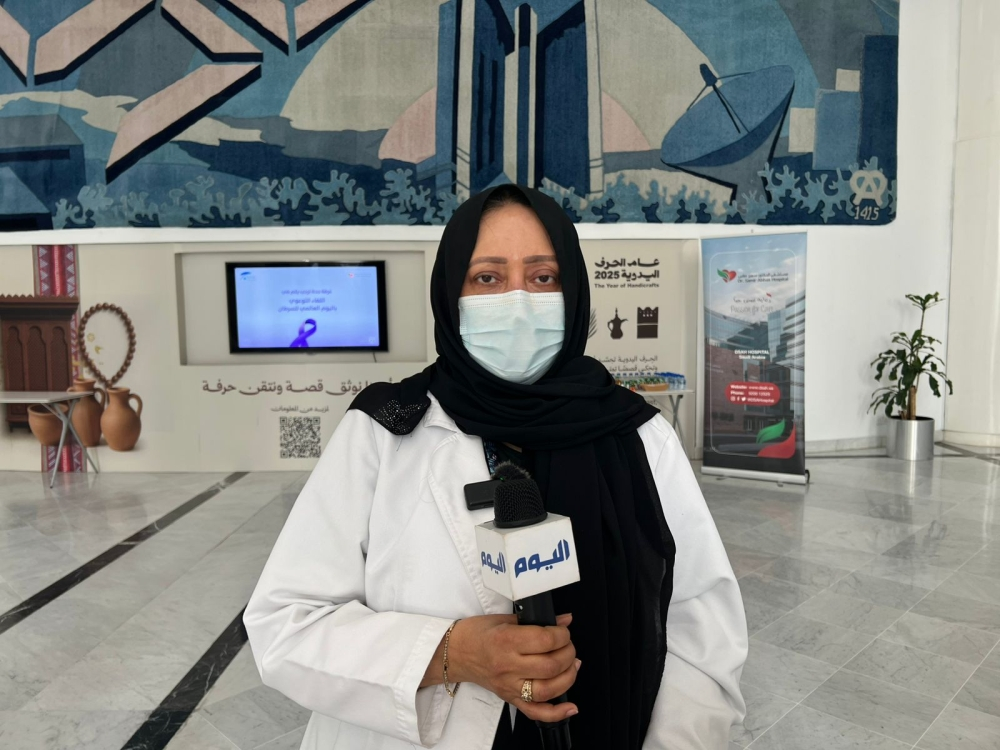
As part of global efforts to raise awareness about the dangers of cancer, doctors and specialists emphasized during an awareness meeting held at the Jeddah Chamber of Commerce on the occasion of World Cancer Day that early detection, proper nutrition, psychological support, and a healthy lifestyle are effective weapons and the first line of defense against this disease. They stressed that empowering individuals with health knowledge is the cornerstone for reducing incidence rates and increasing the chances of recovery.
Global context: Why is World Cancer Day so important?
This meeting is part of the global events held annually on February 4th, a day designated by the Union for International Cancer Control (UICC) to unite international efforts in combating the disease. According to the World Health Organization, cancer is one of the leading causes of death worldwide, with millions of new cases diagnosed each year. These initiatives aim to bridge the gap in healthcare and raise awareness about the importance of prevention and early detection, which can save millions of lives and dramatically improve treatment outcomes.
Early detection: From a fatal disease to a treatable condition
Dr. Rania Darwish, a family medicine consultant, explained that the concept of early detection goes beyond mere awareness; it represents a preventative strategy that completely alters the course of the disease. She emphasized that the goal is not to wait for symptoms to appear, which are often a sign of an advanced stage, but rather to proactively undergo simple periodic checkups. She added, “Preventative screening programs are capable of detecting abnormal cellular changes before they develop into a cancerous tumor, raising cure rates to over 90% in some cases.”.
Among the most important tests recommended by Dr. Darwish are:
- Breast cancer: Women should undergo regular mammograms starting from the age of forty.
- Cervical cancer: Get a cervical smear every three years.
- Colon cancer: Fecal occult blood test, especially for those over fifty.
An integrated therapeutic system: body and mind together
Dr. Darwish pointed out that cancer treatment is not limited to medical intervention alone, but requires a comprehensive system based on teamwork. She said, “The treatment plan, whether surgical, chemotherapy, or radiation, is developed based on precise protocols, but its success depends largely on the patient’s psychological state.” She noted that psychological support for the patient and their family is an integral part of the treatment, as it contributes to enhancing resilience and adherence to the treatment plan, which positively impacts quality of life and response rates.
Therapeutic nutrition: Fueling the body on its journey of prevention and treatment
For her part, Dr. Jacqueline Allam, a senior clinical nutritionist, emphasized that a healthy diet is a proactive step in preventing chronic diseases, including cancer. She explained that modern dietary patterns, high in sugars, processed fats, and fast food, increase inflammation in the body and contribute to weight gain, both of which are linked to an increased risk of cancer. She warned against unhealthy eating habits that become prevalent during certain seasons, such as Ramadan, stressing that a continuous reliance on unhealthy foods poses a cumulative risk.
She also emphasized the importance of regular physical activity, noting that visceral fat, which accumulates around internal organs, is the most dangerous. She added, “Exercise is not a luxury, but a necessity for maintaining a healthy weight, boosting immunity, and improving mood. Even simple activities like daily walks or praying Taraweeh during Ramadan have a positive effect, but they are no substitute for regular exercise.”.
National and regional impact: สอดคล้อง with Vision 2030
These awareness efforts align with the goals of Saudi Vision 2030, which prioritizes improving quality of life and promoting preventative healthcare. By disseminating a culture of early detection and healthy lifestyles, the Kingdom contributes to building a healthy society capable of addressing health challenges and reducing the burden on the healthcare system. Regionally, these initiatives are vital given the increasing rates of lifestyle-related non-communicable diseases in the Middle East.