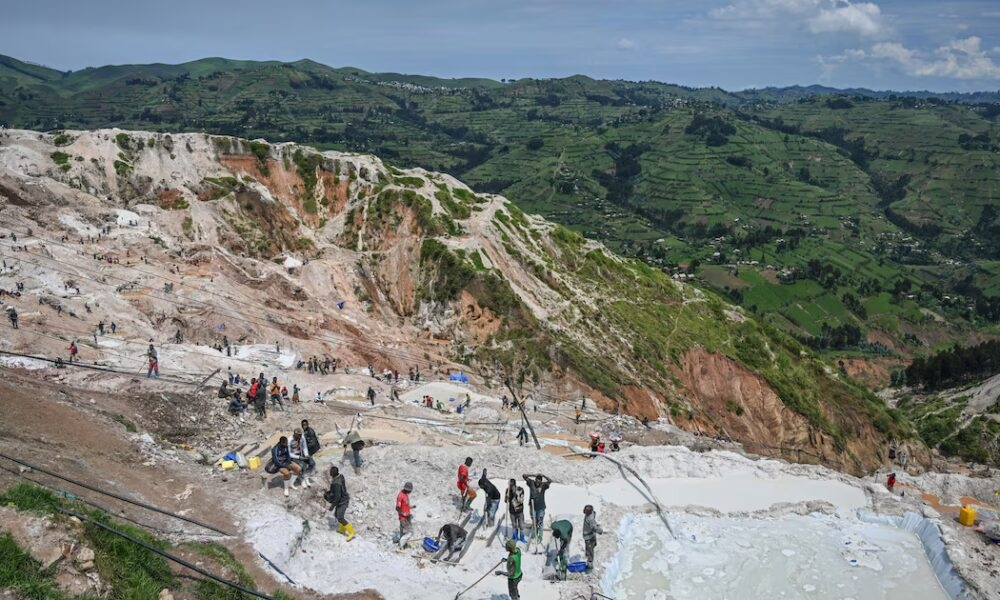
أعربت حكومة جمهورية الكونغو الديموقراطية عن قلقها البالغ إزاء تقارير تفيد بمقتل ما لا يقل عن 200 شخص جراء انهيار أرضي كارثي وقع يوم الأربعاء في منجم روبايا، أحد أهم مناجم الكولتان في العالم. تقع هذه المنطقة الاستراتيجية في شرق البلاد، وتخضع حاليًا لسيطرة حركة “إم23” المتمردة، مما يضيف طبقة من التعقيد على جهود الإنقاذ ويزيد من حدة التوترات في المنطقة.
خلفية الصراع وأهمية منجم روبايا
يعد منجم روبايا شريانًا اقتصاديًا حيويًا، ليس فقط للكونغو بل للعالم بأسره، حيث ينتج ما بين 15% إلى 30% من إجمالي الكولتان العالمي. وهذا المعدن هو المصدر الرئيسي لمادة التنتالوم، التي لا غنى عنها في صناعة المكثفات الإلكترونية المستخدمة في الهواتف الذكية وأجهزة الكمبيوتر المحمولة وغيرها من الأجهزة التكنولوجية الحديثة. السيطرة على هذا المنجم تعني السيطرة على مصدر دخل هائل ونفوذ استراتيجي، وهو ما يجعله بؤرة للصراع المستمر في إقليم شمال كيفو الغني بالمعادن.
تاريخيًا، عانى شرق الكونغو من عقود من عدم الاستقرار والنزاعات المسلحة التي تغذيها الثروات المعدنية الهائلة. وقد عادت حركة “إم23″، التي تدعمها رواندا بحسب اتهامات الأمم المتحدة والكونغو، للظهور بقوة في السنوات الأخيرة، وسيطرت على مناطق واسعة، بما في ذلك منجم روبايا في أبريل 2024، مما حرم الحكومة المركزية من إيرادات حيوية وأجج الصراع الإقليمي.
التأثيرات المتوقعة للكارثة
على المستوى المحلي، تمثل هذه الكارثة مأساة إنسانية فادحة للمجتمعات التي تعتمد على التعدين الحرفي كمصدر رزق أساسي، رغم ظروف العمل الخطرة وغياب معايير السلامة. وتكشف الحادثة عن الثمن البشري الباهظ الذي يدفعه السكان المحليون، الذين يجدون أنفسهم عالقين بين مطرقة الجماعات المسلحة وسندان الفقر.
إقليميًا، من المرجح أن يؤدي الحادث إلى تصعيد التوترات بين جمهورية الكونغو الديموقراطية ورواندا. قد تستخدم كينشاسا هذه المأساة كدليل إضافي على فشل حركة “إم23” في إدارة المناطق الخاضعة لسيطرتها، متهمة إياها باستغلال الموارد دون اكتراث لحياة المدنيين. أما دوليًا، فإن أي اضطراب في إمدادات الكولتان من روبايا يمكن أن يؤثر على سلسلة التوريد العالمية للإلكترونيات، مما قد يدفع الشركات الكبرى للبحث عن مصادر بديلة ويسلط الضوء مجددًا على قضية “المعادن النزاعية” والحاجة الملحة لضمان سلاسل توريد أخلاقية ومستدامة.