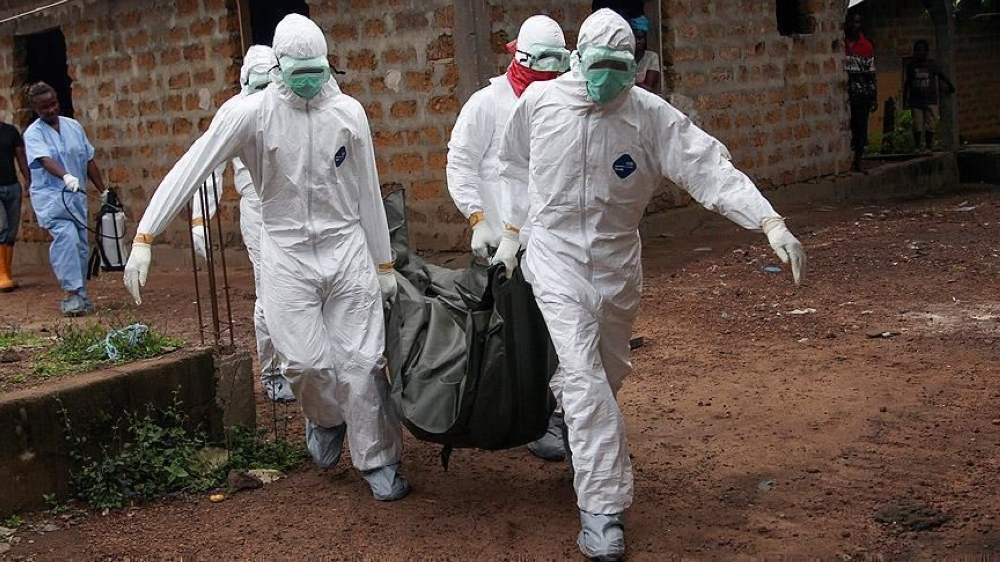
Health authorities in the Democratic Republic of Congo officially declared the end of the latest Ebola outbreak on Monday, after 42 days without a single new case – twice the virus's incubation period. This announcement represents a significant success for national and international health efforts in combating one of the world's deadliest viral diseases.
During an official ceremony held in the capital, Kinshasa, attended by officials from the World Health Organization and the Africa Centres for Disease Control and Prevention, Dr. Dieudonné Mwamba Kazadi, director of the National Institute of Public Health, declared, “The Ebola outbreak in the Democratic Republic of Congo is effectively over.” Kazadi explained that this outbreak, which began in late August, resulted in 53 confirmed cases, leading to 34 deaths, in addition to 11 other probable deaths, bringing the total number of suspected deaths to 45.
Historical context: Congo and Ebola... a protracted conflict
The Democratic Republic of Congo has a long and painful history with Ebola. The virus was first discovered there in 1976 near the Ebola River, from which it takes its name. Since then, the country has experienced more than 14 outbreaks, giving its medical teams and experts extensive experience in dealing with this deadly disease. The outbreak that struck the east of the country between 2018 and 2020 was the largest in Congo's history and the second largest in the world, claiming more than 2,200 lives and prompting a massive international response.
The importance of advertising and its expected impact
This announcement represents a significant victory both locally and internationally. Locally , the news brings immense relief to affected communities who have been living in a state of anxiety and fear, and allows the strained health system to catch its breath and focus on other pressing health challenges such as malaria, measles, and COVID-19. Regionally , the end of the outbreak reduces the risk of the virus spreading across borders to neighboring countries, such as Uganda and Rwanda, thus easing the pressure on their health surveillance systems. Internationally , this success highlights the effectiveness of modern Ebola control strategies, which include rapid response, contact tracing, and, most importantly, the use of effective vaccines such as rVSV-ZEBOV and advanced monoclonal antibody treatments, which have significantly contributed to reducing mortality rates and curbing the spread of the virus. This success reinforces confidence in the international community's ability to contain epidemics when efforts are combined and the necessary resources are allocated.
Despite this achievement, the challenge remains, as the virus is endemic in bats and wild animals in the region, meaning the risk of new outbreaks persists. Therefore, health authorities and the World Health Organization emphasize the importance of continued vigilance, strengthening surveillance systems, and investing in building the capacity of local health systems to detect and respond quickly and effectively to any new cases.