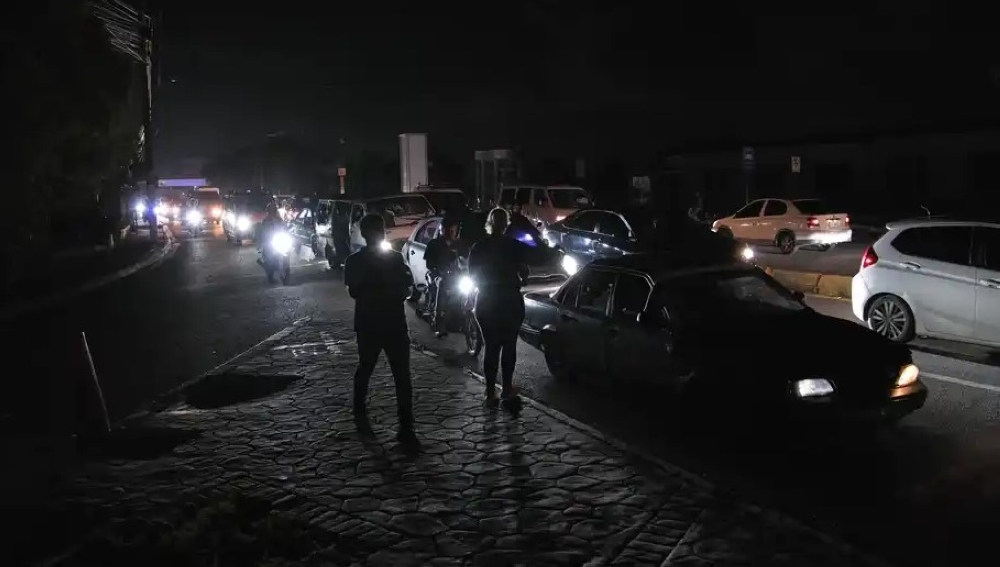
On Monday evening, the Dominican Republic experienced a widespread power outage that plunged large parts of the country, including the capital Santo Domingo, into darkness, causing widespread chaos and paralyzing vital services. This incident once again highlights the significant challenges facing the energy infrastructure of this Caribbean nation.
Sudden outage in the national grid
The Dominican Republic's state-owned electricity transmission company, ETED, announced that the blackout was caused by a "major fault in the national interconnected electricity grid," directly impacting power services across a large part of the country. In a statement, the company confirmed that its technical teams were working at full speed to identify the source of the fault and gradually and safely restore service to the affected areas. The sudden outage brought the metro service in the capital, Santo Domingo, to a standstill for hours, resulting in overcrowding and severe traffic congestion on main roads, where traffic lights malfunctioned and business activity was partially disrupted.
Background of recurring crises
This blackout is not an isolated incident; the Dominican Republic has a long history of problems with its electricity sector. The national grid suffers from aging infrastructure and a lack of investment in maintenance and modernization, making it prone to frequent outages, especially during the region's severe weather conditions, such as hurricanes and tropical storms. Last November, the country experienced a similar blackout that lasted for about five hours and affected major cities, including the popular tourist destination of Punta Cana. These chronic problems are attributed to a combination of factors, most notably a lack of regular maintenance, technical malfunctions, and the proliferation of illegal connections, which place additional strain on the already dilapidated network.
Economic and social impact
The impact of power outages extends far beyond the daily inconvenience they cause for citizens, paralyzing an economy heavily reliant on the tourism and service sectors. In a country that receives millions of tourists annually, power cuts can damage the reputation of tourist destinations and negatively affect the visitor experience, threatening a major source of national income. Locally, small and large businesses suffer significant losses due to production halts and service disruptions, and essential services such as hospitals and water supplies are affected, raising widespread public concern about safety and the continuity of normal life. The frequency of these incidents places considerable pressure on the government to find fundamental and sustainable solutions to modernize the energy infrastructure and ensure its stability.