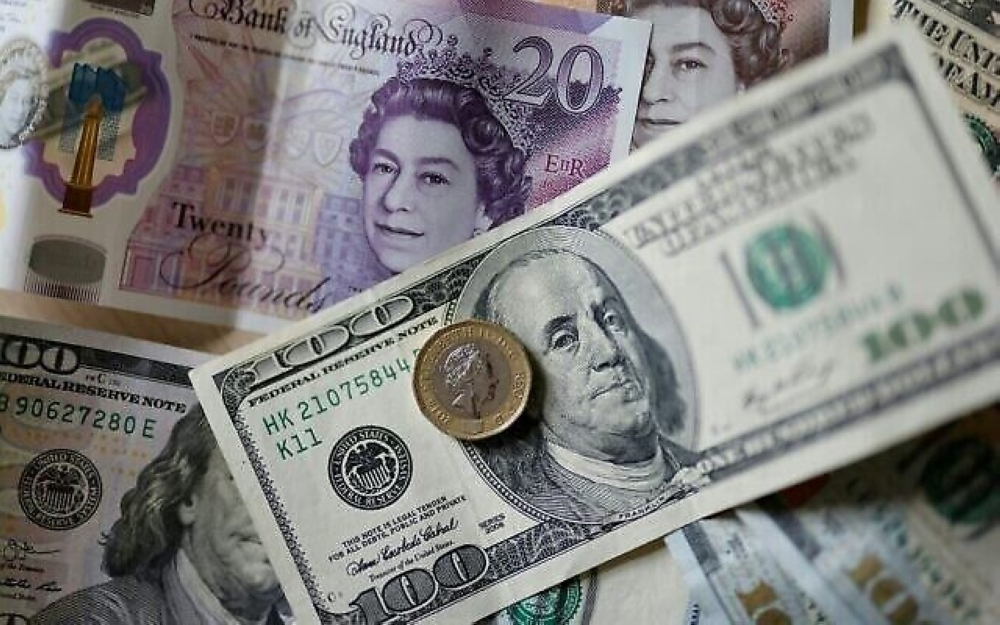
استهل الدولار الأمريكي تداولاته في العام الجديد 2026 بتسجيل ارتفاع طفيف خلال تعاملات اليوم الجمعة، محاولاً تعويض جزء من الخسائر التي تكبدها خلال العام المنصرم. يأتي هذا التحرك التصحيحي بعد عام شهد تراجعاً ملحوظاً للعملة الخضراء أمام سلة من العملات الرئيسية، في وقت يترقب فيه المستثمرون والمتعاملون في الأسواق العالمية إشارات جديدة حول مسار السياسة النقدية وأسعار الفائدة خلال الفترة المقبلة.
أداء العملات وتأثير الفائدة في 2025
شهد عام 2025 تحولات جوهرية في سوق العملات الأجنبية، حيث أدى تضاؤل الفارق في أسعار الفائدة بين الولايات المتحدة الأمريكية والاقتصادات الكبرى الأخرى إلى ضغوط بيعية على الدولار. وتاريخياً، تعتبر أسعار الفائدة المحرك الرئيسي لتدفقات رؤوس الأموال؛ إذ تتجه الاستثمارات عادةً نحو العملات ذات العوائد الأعلى. ومع قيام البنوك المركزية العالمية بتعديل سياساتها النقدية وتقليص الفجوة مع الفيدرالي الأمريكي، سجلت معظم العملات ارتفاعات حادة مقابل الدولار، باستثناء الين الياباني الذي ظل يعاني من ضغوطات خاصة.
اليورو والإسترليني.. أفضل أداء سنوي منذ سنوات
على صعيد العملات الأوروبية، انخفض اليورو بنسبة طفيفة بلغت 0.2% في أول أيام تداول هذا العام، إلا أن هذا التراجع يأتي بعد عام استثنائي حقق فيه مكاسب بلغت 13.5% خلال 2025. وبالمثل، حقق الجنيه الإسترليني قفزة نوعية بزيادة قدرها 7.7% في العام نفسه. وتُعد هذه الأرقام مؤشراً هاماً، حيث سجلت العملتان الموحدة والبريطانية أعلى ارتفاع سنوي لهما منذ عام 2017، مما يعكس تعافي الثقة في الاقتصادات الأوروبية وتوقعات باستقرار السياسات النقدية في المنطقة.
الين الياباني وعملات المحيط الهادئ
في المقابل، استمر الين الياباني في مساره الهبوطي، مسجلاً انخفاضاً إلى أدنى مستوياته في 10 أشهر، مما يبرز استمرار التباين في السياسات النقدية بين اليابان وباقي الاقتصادات المتقدمة. أما في منطقة المحيط الهادئ، فقد ارتفع الدولار الأسترالي بنسبة 0.5%، مدعوماً بمكاسب سنوية بلغت 8% تقريباً في 2025، وهو الأداء الأقوى له منذ عام 2020. كما نجح الدولار النيوزيلندي في كسر سلسلة خسائر استمرت ثلاث سنوات، محققاً ارتفاعاً بنسبة 3% العام الماضي، ليستقر في تداولات اليوم دون تغيير يذكر.
نظرة مستقبلية للأسواق
تتجه أنظار المحللين الاقتصاديين الآن نحو البيانات الاقتصادية القادمة من الولايات المتحدة، والتي ستلعب دوراً حاسماً في تحديد توجهات الاحتياطي الفيدرالي. ويشير الخبراء إلى أن أي إشارات حول تباطؤ التضخم أو ضعف سوق العمل قد تعيد الضغوط على الدولار، بينما قد تؤدي البيانات القوية إلى تعزيز مكانته كملاذ آمن وعملة ذات عائد مجزٍ، مما يجعل الأسابيع الأولى من 2026 حاسمة في رسم خريطة أسواق العملات لهذا العام.