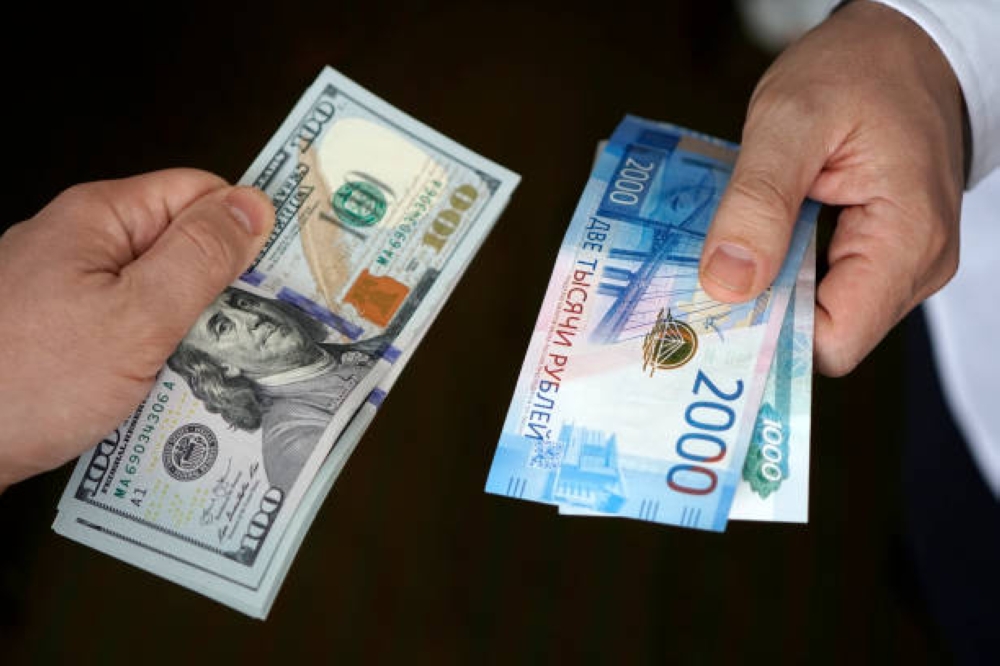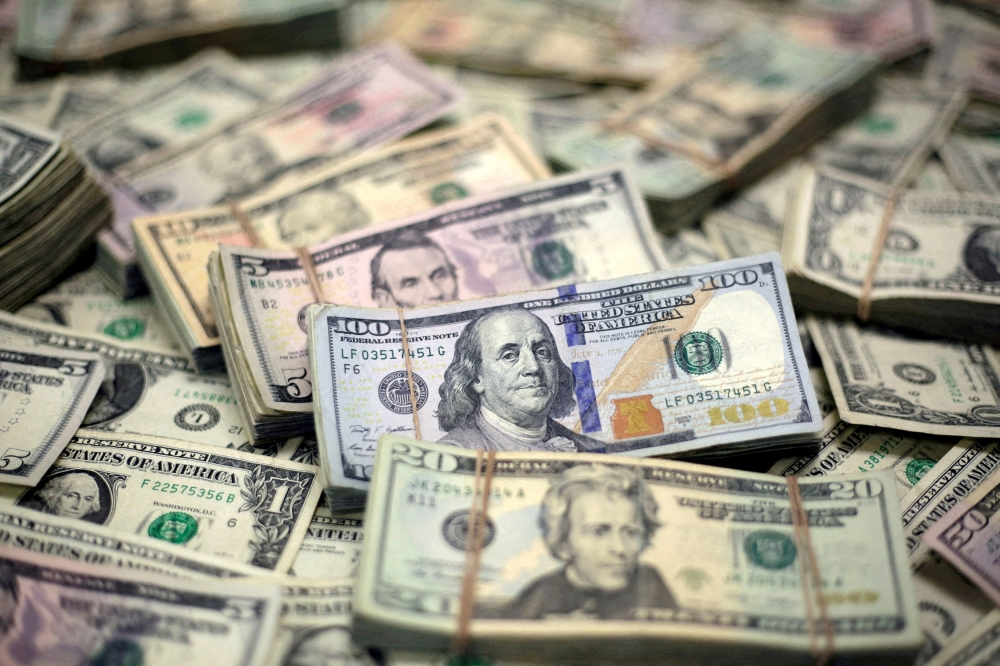
The US dollar saw a notable rise in trading on Friday, recovering from a previous sell-off. This rise was driven by market speculation surrounding the identity of the next Federal Reserve chair. News of the potential nomination of hawkish figures, such as former Fed member Kevin Warsh, fueled optimism among investors regarding the future of monetary policy in the United States.
Dollar Index and performance of major currencies
This optimism was directly reflected in the performance of the dollar index (DXY), which measures the value of the greenback against a basket of six major currencies, including the euro, the Japanese yen, and the British pound. The index rose by 0.79% to reach 96.93 points. In contrast, the euro fell by almost the same percentage, dropping to $1.1874, affected by the renewed strength of the dollar.
General context and importance of the Federal Reserve presidency
The position of Federal Reserve Chair is one of the most important economic posts in the world, as its decisions directly impact interest rates and, consequently, global capital flows. Historically, investors closely monitor the selection process for the new chair, attempting to anticipate their future direction. Monetary policymakers are typically categorized as either “hawks,” who tend to raise interest rates to curb inflation, thereby supporting the currency, or “doves,” who prefer to keep interest rates low to support economic growth and employment, which can weaken the currency. The nomination of someone known for their hawkish leanings sends a signal to the markets that an era of higher interest rates may be imminent, increasing the dollar's appeal to foreign investors.
The impact of economic data on the strength of the dollar
The anticipation surrounding the Federal Reserve's leadership wasn't the only factor supporting the dollar; positive economic data also bolstered its gains. The Producer Price Index (PPI) showed a larger-than-expected increase in December, indicating rising inflationary pressures. This strengthens the likelihood that the Federal Reserve will tighten its monetary policy and raise interest rates at a faster pace to combat inflation, which is beneficial for the US currency.
The global and regional impact of dollar movements
The strength of the dollar is not limited to the US economy; its effects extend to global markets. The Japanese yen fell 0.89% against the US currency, reaching 154.49 per dollar. Despite this daily decline, the dollar was still on track for a weekly loss against the yen, which had previously benefited from hints by Japanese policymakers about the possibility of intervention to support their currency. Globally, a stronger dollar increases the cost of dollar-denominated commodities, such as oil and metals, and also increases the burden of dollar-denominated debt on emerging markets, potentially impacting their financial stability.