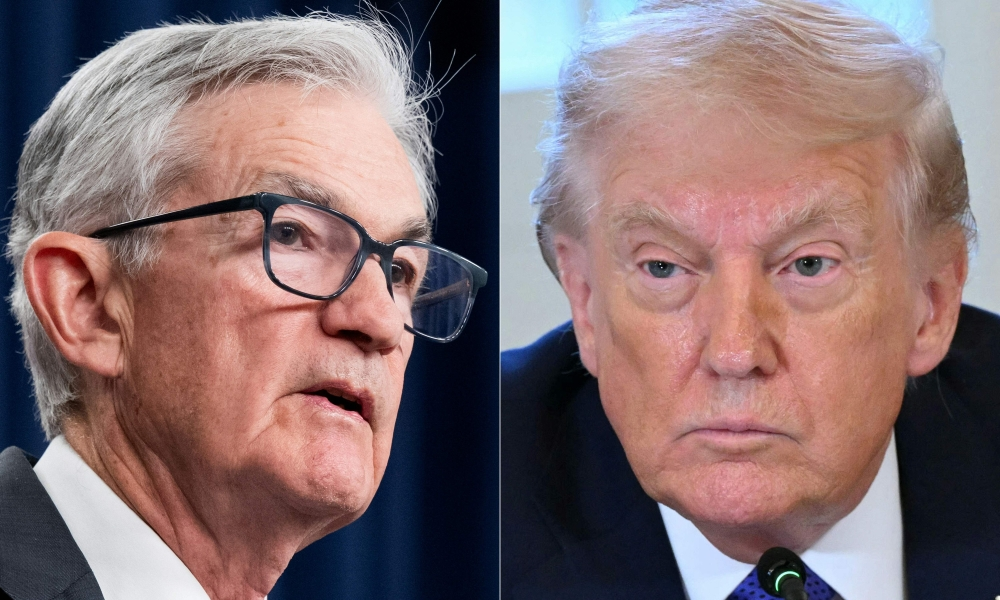
The US dollar saw a notable rise during trading on Tuesday, with the dollar index, which measures the performance of the US currency against a basket of six major currencies, climbing 0.13%. This move comes amid a climate of anticipation and caution among investors ahead of the release of the minutes from the Federal Reserve's December meeting. Global markets are focused on this important document to try to discern the direction of US monetary policy in the coming period.
The importance of the Federal Reserve meeting minutes and their impact on the markets
The minutes of the Federal Open Market Committee (FOMC) meeting are among the most important indicators that economic analysts and investors rely on to understand future interest rate trends. The significance of these minutes lies in their revelation of the discussions held among monetary policymakers and the differing opinions regarding inflation, the labor market, and economic growth. Investors look for any clues that might hint at when interest rates will begin to be cut or whether the monetary tightening policy will continue for a longer period, which directly impacts the strength of the dollar.
Economic context: Between inflation and interest rates
This rise in the value of the greenback comes at a sensitive time for the global economy, as the US Federal Reserve struggles to balance curbing inflation with maintaining economic growth without slipping into a deep recession. Historically, the strength of the dollar has been directly proportional to higher interest rates, as higher returns attract foreign capital to invest in dollar-denominated assets, increasing demand for the dollar and driving up its price against other currencies.
The impact of dollar movements on the global economy
The impact of a rising dollar extends far beyond the United States, impacting the global economy as a whole. A strong dollar typically puts downward pressure on the prices of dollar-denominated commodities, such as gold and oil, making them more expensive for holders of other currencies and potentially reducing demand. Furthermore, a stronger dollar poses a challenge for emerging economies that rely heavily on imports or hold dollar-denominated debt, as the increased cost of debt servicing and imports puts additional pressure on their local currencies.
Investor expectations and potential scenarios
Given the current circumstances, markets remain volatile until the official data is released. If the minutes reveal a hawkish tone from Federal Reserve members, emphasizing the need to keep interest rates high for a longer period, the dollar is likely to continue its gains. Conversely, any hints of an imminent easing of monetary policy could lead to a decline in the US currency and a boost for riskier assets and gold. The economic outlook remains contingent on how inflation indicators respond to the measures previously implemented.