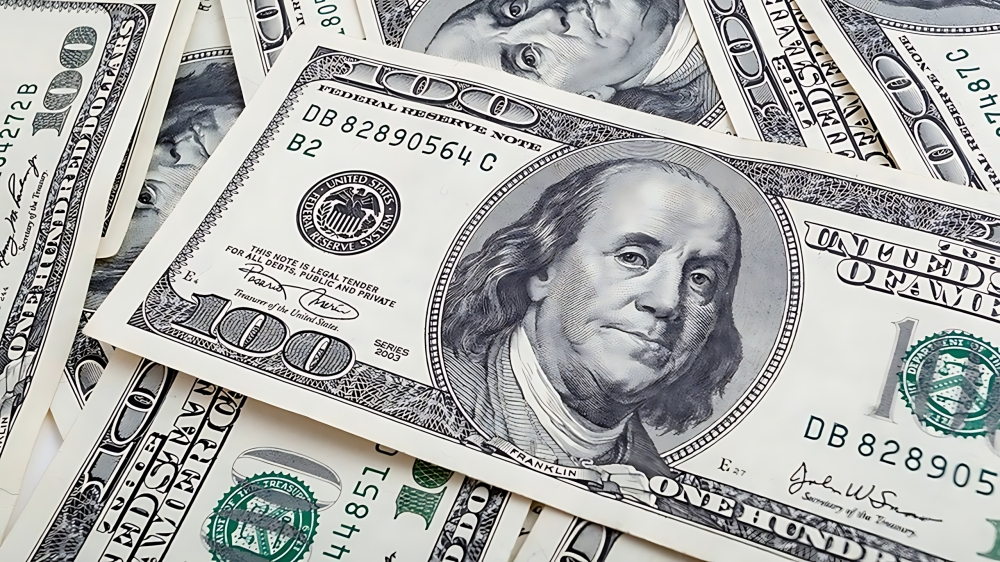
The US dollar exchange rate against the Egyptian pound saw a slight decline at the close of trading on Thursday, resulting in relative stability across most public and private banks operating in Egypt. This stability comes as the Egyptian economy enters a new phase following the Central Bank of Egypt's decision to fully liberalize the exchange rate in March 2024, a move aimed at eliminating the parallel currency market and unifying the exchange rate.
Historical background and the decision to liberalize the exchange rate
Prior to March 2024, the Egyptian economy suffered from increasing pressure due to the existence of two exchange rates for the dollar: an official rate at banks and a much higher rate on the parallel market (black market). This situation led to a shortage of foreign currency and negatively impacted the flow of foreign investment and imports. To address these challenges, the Egyptian government and the Central Bank implemented a series of decisive reform measures, most notably the decision to float the Egyptian pound, allowing the exchange rate to be determined by supply and demand. This decision was preceded by the announcement of a major investment deal in the Ras al-Hikma region with the United Arab Emirates, which provided significant dollar liquidity that supported the decision to float the currency.
The importance of exchange rate stability and its economic impact
A stable exchange rate is a vital indicator of the health of the Egyptian economy. Domestically, currency stability helps curb inflation, as Egypt relies heavily on imports of essential goods and raw materials, and any rise in the dollar's value is directly reflected in the prices of these goods for the end consumer. Furthermore, a clear exchange rate encourages both local and foreign investors to inject new capital, creating jobs and supporting economic growth. Internationally, a unified exchange rate enhances the confidence of international financial institutions, such as the International Monetary Fund and credit rating agencies, facilitating Egypt's access to necessary financing and strengthening its position in global markets.
Dollar exchange rates in major Egyptian banks today, Thursday
Below are the details of the dollar exchange rates in a number of Egyptian banks at the end of trading today:
- The Central Bank of Egypt: The buying price was recorded at 47.58 Egyptian pounds, and the selling price at 47.72 Egyptian pounds.
- National Bank of Egypt: The buying price was recorded at 47.60 Egyptian pounds, and the selling price at 47.70 Egyptian pounds.
- Bank of Egypt: The buying price was recorded at 47.60 Egyptian pounds, and the selling price at 47.70 Egyptian pounds.
- Commercial International Bank (CIB): The buying price was 47.60 Egyptian pounds, and the selling price was 47.70 Egyptian pounds.
- Bank of Alexandria: The buying price was recorded at 47.60 Egyptian pounds, and the selling price at 47.70 Egyptian pounds.
- Abu Dhabi Islamic Bank: The buying price was 47.67 pounds, and the selling price was 47.77 pounds.
- Suez Canal Bank: The buying price remained stable at 47.63 Egyptian pounds, and the selling price at 47.73 Egyptian pounds.
These slightly varying prices between banks reflect the dynamics of supply and demand in the banking market, and traders and investors are watching the performance of the pound during the coming period as a key indicator of the success of the economic reform path.