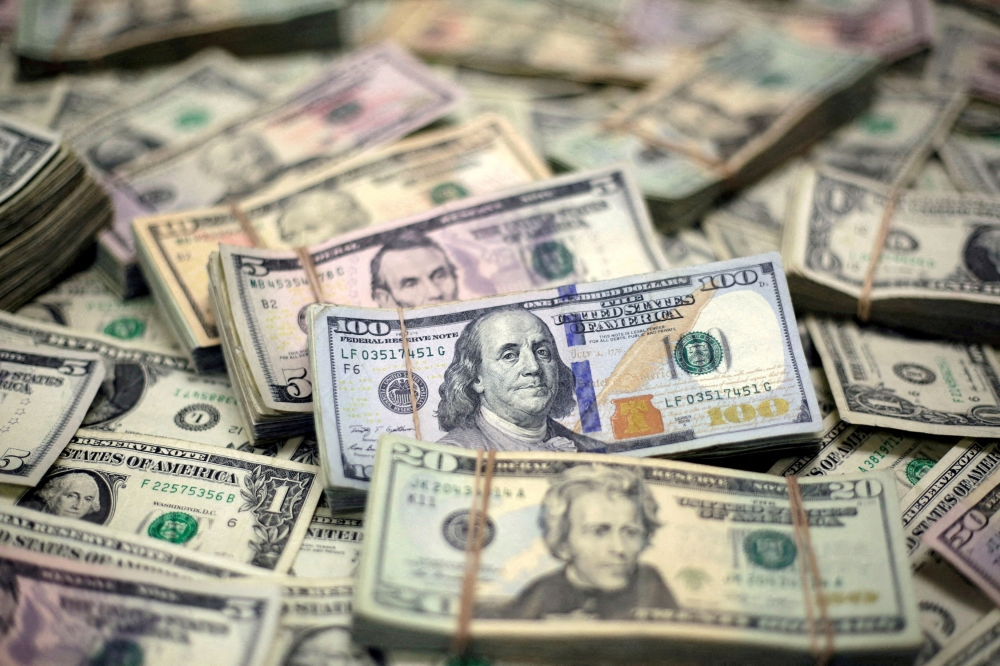
The US dollar saw a notable rise against the Egyptian pound at the close of trading on Tuesday in Egyptian banks, continuing its fluctuating trajectory since the Central Bank's decision to float the currency. This movement reflects the new market dynamics based on supply and demand, which have become the primary determinant of the local currency's value.
Dollar exchange rates in major Egyptian banks
The dollar exchange rates for Tuesday were as follows:
- The Central Bank of Egypt: The buying price was recorded at 47.83 Egyptian pounds, and the selling price at 47.97 Egyptian pounds.
- National Bank of Egypt: The buying and selling price reached 47.85 Egyptian pounds.
- Bank of Egypt: The buying price was recorded at 47.85 Egyptian pounds, and the selling price at 47.95 Egyptian pounds.
- Bank of Alexandria: The buying price was 47.75 pounds, and the selling price was 47.85 pounds.
- Commercial International Bank (CIB): The buying price was recorded at 47.74 Egyptian pounds, and the selling price at 47.84 Egyptian pounds.
- Faisal Islamic Bank: The purchase price was 47.87 pounds, and the selling price was 47.97 pounds.
- Suez Canal Bank: The buying price was recorded at 47.74 Egyptian pounds, and the selling price at 47.84 Egyptian pounds.
- National Bank of Kuwait: The buying price was 47.82 pounds, and the selling price was 47.92 pounds.
- Qatar National Bank (QNB): The buying price was recorded at 47.84 Egyptian pounds, and the selling price at 47.94 Egyptian pounds.
- HSBC Bank: The buying price reached 47.85 pounds, and the selling price reached 47.95 pounds.
General context: From pegging to managed float
This rise comes in the context of a historic shift in Egyptian monetary policy. On March 6, 2024, the Central Bank of Egypt made the strategic decision to fully liberalize the exchange rate of the Egyptian pound, ending years of a managed peg. The primary objective of this decision was to eliminate the parallel (black) market for currency, which had caused deep economic distortions and led to a severe shortage of foreign currency. This shift was part of a broader package of economic reforms and a response to the requirements for securing expanded financing from the International Monetary Fund, which aims to support macroeconomic stability in Egypt.
The importance of the event and its expected impact
Daily fluctuations in the dollar exchange rate are no longer just numbers on bank screens; they have become a vital indicator of the health of the Egyptian economy and its future prospects. Domestically , a rising dollar directly impacts the cost of imported goods, from basic foodstuffs like wheat and oils to industrial inputs and fuel, thus placing inflationary pressure on citizens. Conversely, exporters benefit from a weaker pound, as their products become more competitive in global markets.
At the regional and international levels , the decision to float the Egyptian pound boosted the confidence of foreign investors and international financial institutions. One of its most immediate outcomes was a massive investment deal with the United Arab Emirates for the development of the Ras al-Hikma project, which injected tens of billions of dollars into the Egyptian economy, helping to increase foreign currency reserves and alleviate short-term pressure on the pound. International markets are now closely watching Egypt's ability to attract sustainable investments and maintain exchange rate stability as indicators of the success of its reform program.