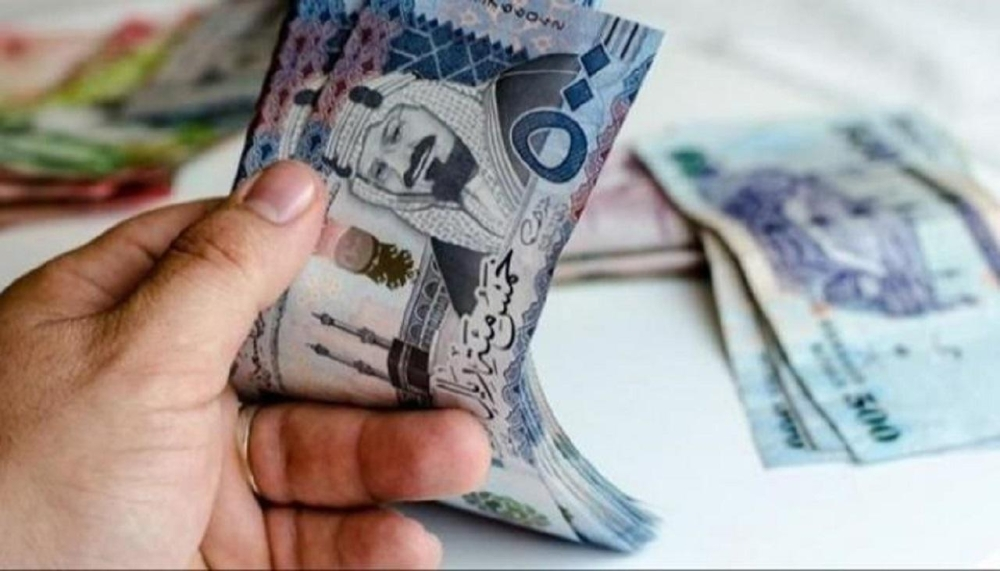
The US dollar saw a slight decline against the Egyptian pound at the start of trading on Thursday across the Egyptian banking sector. This fluctuation comes amidst the daily volatility the exchange market has experienced since the Central Bank of Egypt's decision to fully liberalize the exchange rate in March 2014, a move aimed at eliminating the parallel market and unifying the official exchange rate.
Dollar exchange rates in major Egyptian banks today, Thursday
Dollar exchange rates vary slightly from bank to bank. Below is a list of the latest updates from a number of major banks:
- The Central Bank of Egypt: The buying price was recorded at 47.89 Egyptian pounds, and the selling price at 48.02 Egyptian pounds.
- National Bank of Egypt: The buying price was recorded at 47.47 Egyptian pounds, and the selling price at 47.84 Egyptian pounds.
- Bank of Egypt: The buying price was recorded at 47.77 Egyptian pounds, and the selling price at 47.87 Egyptian pounds.
- Bank of Alexandria: The buying price was recorded at 47.74 pounds, and the selling price at 47.84 pounds.
- Commercial International Bank (CIB): The buying price was recorded at 47.74 Egyptian pounds, and the selling price at 47.84 Egyptian pounds.
- Faisal Islamic Bank: The purchase price was recorded at 47.74 pounds, and the selling price at 47.84 pounds.
- Suez Canal Bank: The buying price was recorded at 47.77 Egyptian pounds, and the selling price at 47.87 Egyptian pounds.
Background to the liberalization of the exchange rate in Egypt
This relative stability comes after a period of significant volatility in the Egyptian economy. On March 6, 2024, the Central Bank of Egypt made a historic decision to fully float the Egyptian pound, allowing it to be determined by market forces of supply and demand. This decision was part of a broader package of economic reforms aimed at addressing distortions that had plagued the economy for years, most notably the existence of two exchange rates: an official rate in banks and a significantly different rate in the parallel (black) market. The primary objectives of the float were to eliminate this parallel market, increase dollar reserves in the official banking sector, and boost foreign investor confidence.
The importance of the pound's stability and its expected impact
The stability of the Egyptian pound's exchange rate is of paramount importance on multiple levels. Domestically , currency stability helps curb inflation, especially given Egypt's heavy reliance on imports for essential goods and intermediate commodities. It also provides manufacturers and importers with a clearer picture, enabling them to price their products and plan for the future. Regionally and internationally , a stable pound enhances Egypt's attractiveness as a destination for foreign direct investment, mitigating the risks of currency fluctuations that have long worried investors. Furthermore, it encourages Egyptians working abroad to transfer their remittances through official channels rather than the parallel market, thereby bolstering the Central Bank's foreign currency reserves. This is a crucial step within the framework of Egypt's agreement with the International Monetary Fund, as a flexible exchange rate is a cornerstone of the IMF-supported reform program.