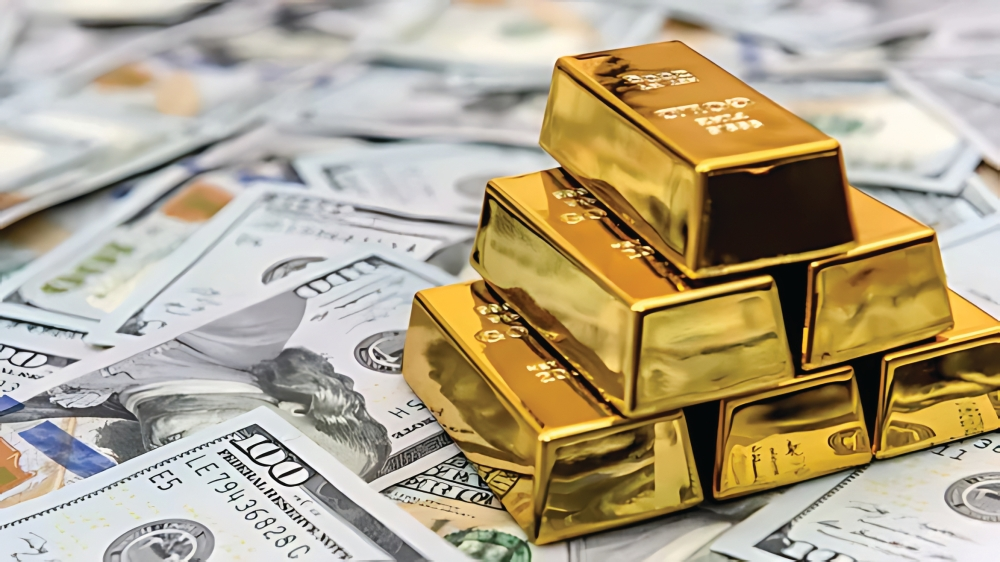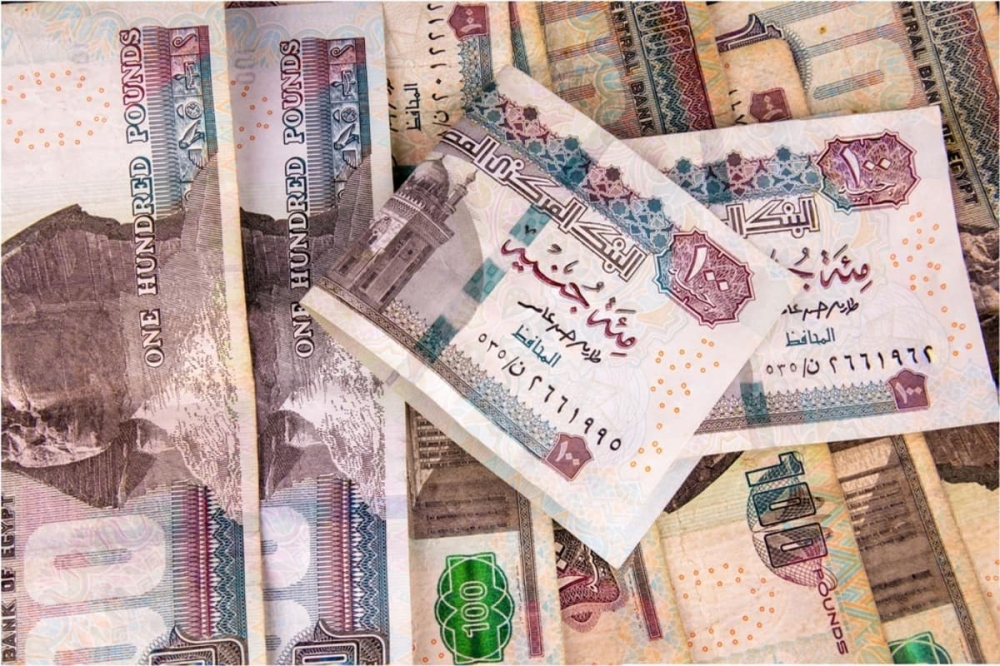
The exchange rate of the US dollar against the Egyptian pound witnessed a notable increase during the week's trading, exceeding the 48 pound mark for the first time in nearly five months. This reflects a new dynamic in the exchange market following the Central Bank of Egypt's decision to fully liberalize the exchange rate in March 2024. This development represents a turning point in the course of Egyptian monetary policy and raises questions about the future of the pound and its impact on the economy and the citizen.
Historical background and the decision to liberalize the exchange rate
This increase comes amid a series of structural economic measures taken by Egypt to address accumulated economic challenges. For years, the Egyptian economy suffered from a dual exchange rate system: an official rate at banks and a parallel (black) market rate that reached record highs exceeding 70 Egyptian pounds to the dollar in early 2024. This situation led to a severe shortage of foreign currency, negatively impacted imports, and exacerbated inflationary pressures.
In a decisive move on March 6, 2024, the Central Bank of Egypt decided to abandon its managed peg of the Egyptian pound to the US dollar, allowing the exchange rate to be determined by market supply and demand. This decision coincided with a significant interest rate hike of 600 basis points aimed at curbing inflation. These measures were a prerequisite for securing a large-scale financing package from the International Monetary Fund and contributed to attracting substantial foreign investment, most notably the $35 billion Ras al-Hikma development deal with the United Arab Emirates. This deal provided immediate dollar liquidity, which initially helped stabilize the market and eliminate the parallel market.
The importance of the event and its expected impact
The dollar's surpassing of the 48 Egyptian pound mark is a true test of the Central Bank's commitment to its flexible exchange rate policy. After a period of relative stability following the float, genuine market forces have begun to determine the price. Analysts attribute this gradual rise to increased demand for dollars from importers and companies to meet their operational needs, in addition to some investors exiting Egyptian debt instruments after realizing profits.
Domestically, the rising dollar directly impacts citizens' lives by increasing the cost of imported goods, particularly essential foodstuffs like wheat and oils, as well as fuel, medicine, and raw materials needed for industry, potentially leading to a new wave of inflation. Conversely, a weaker pound can enhance the competitiveness of Egyptian exports and make tourism more attractive to foreigners, contributing to increased foreign currency inflows in the long term.
Regionally and internationally, Egypt's ability to maintain a flexible exchange rate system is seen as a key indicator of the credibility of its economic reforms. Market stability and attracting foreign direct investment depend heavily on a transparent and realistic exchange rate. The success of this policy will bolster the confidence of investors and international institutions in the Egyptian economy, while any reversal or ill-considered intervention could reintroduce uncertainty into the markets.
Latest dollar exchange rates in Egyptian banks
Below is a list of dollar exchange rates at a number of major banks at the end of trading:
- The Central Bank of Egypt: The buying price was recorded at 47.89 Egyptian pounds, and the selling price at 48.02 Egyptian pounds.
- National Bank of Egypt: The buying price was recorded at 47.88 Egyptian pounds, and the selling price at 47.98 Egyptian pounds.
- Bank of Egypt: The buying price was recorded at 47.88 Egyptian pounds, and the selling price at 47.98 Egyptian pounds.
- Commercial International Bank (CIB): The buying price was recorded at 47.88 Egyptian pounds, and the selling price at 47.98 Egyptian pounds.
- Bank of Alexandria: The buying price was recorded at 47.78 pounds, and the selling price at 47.88 pounds.
- Abu Dhabi Islamic Bank: The buying price was recorded at 48.12 pounds, and the selling price at 48.22 pounds.