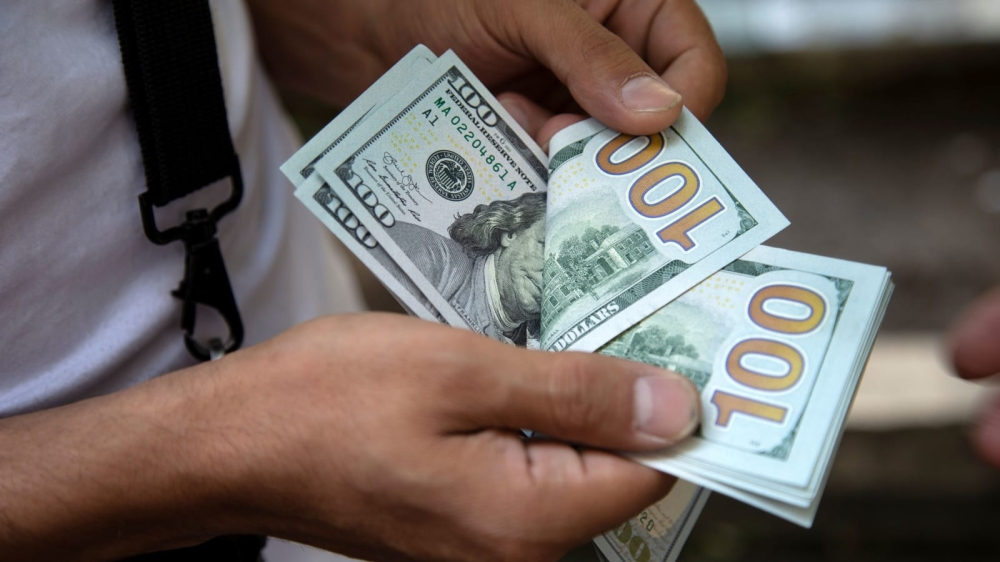
The US dollar saw a notable decline against the Egyptian pound at the start of trading on Wednesday in both public and private Egyptian banks. This drop comes as a continuation of a period of relative stability and improvement in the value of the local currency, which has become increasingly apparent following a series of decisive economic measures recently implemented by the Egyptian government and the Central Bank of Egypt.
The economic context and the decision to liberalize the exchange rate
This decline was not a sudden occurrence, but rather the culmination of a long process of economic reforms. Over the past years, the Egyptian economy has faced significant challenges, including a severe shortage of foreign currency, which led to the emergence of a parallel market (the black market) that caused price distortions and negatively impacted market stability. In a historic move in March 2014, the Central Bank of Egypt decided to fully liberalize the exchange rate of the Egyptian pound, allowing it to fluctuate according to supply and demand mechanisms. This decision, which coincided with a substantial increase in interest rates, aimed to eliminate the parallel market, attract foreign investment, and meet the requirements of the economic reform program agreed upon with the International Monetary Fund.
The importance of recent dollar inflows
Large dollar inflows played a pivotal role in supporting the Egyptian pound. The Ras El Hekma development project, a joint venture with the United Arab Emirates that injected billions of dollars in direct investment into the Egyptian economy, was the most significant factor in providing substantial dollar liquidity, contributing to the stability of the exchange market. These inflows, coupled with increased remittances from Egyptians working abroad through official channels following the unification of the exchange rate, bolstered the Central Bank's foreign currency reserves and provided a strong boost to confidence in the pound.
Expected impact on the economy and the citizen
The decline in the dollar's value carries multiple positive effects. Domestically, it is expected to help curb inflation, as Egypt relies heavily on imports of essential goods and raw materials, and lower import costs will gradually be reflected in the prices of final consumer goods. It also provides companies and manufacturers with greater stability in planning production costs. Internationally, a stable exchange rate boosts foreign investor confidence in the Egyptian economy and encourages increased direct and indirect investment, thus supporting long-term economic growth.
Dollar exchange rates at major Egyptian banks today, Wednesday:
- The Central Bank of Egypt: The buying price was recorded at 46.78 Egyptian pounds, and the selling price at 46.92 Egyptian pounds.
- National Bank of Egypt: The buying price was recorded at 46.82 Egyptian pounds, and the selling price at 46.92 Egyptian pounds.
- Bank of Egypt: The buying price was recorded at 46.82 Egyptian pounds, and the selling price at 46.92 Egyptian pounds.
- Commercial International Bank (CIB): The buying price was recorded at 46.80 Egyptian pounds, and the selling price at 46.90 Egyptian pounds.
- Bank of Alexandria: The buying price was recorded at 46.81 Egyptian pounds, and the selling price at 46.91 Egyptian pounds.