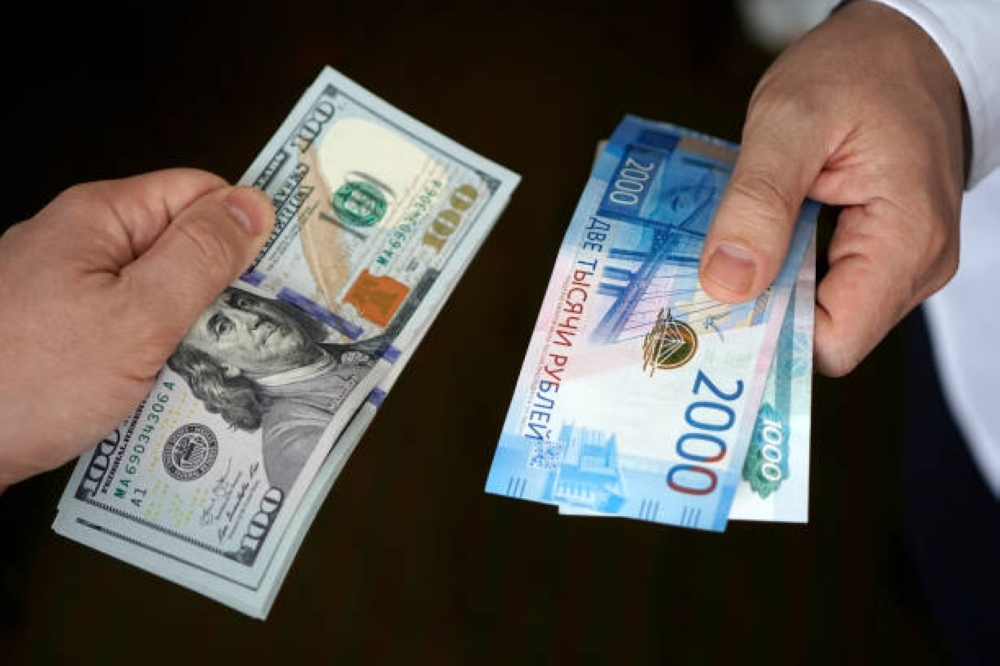
The US dollar saw a notable decline against the Egyptian pound at the close of trading on Sunday, January 11, 2026, in most government and commercial banks operating in the Egyptian banking sector. This decrease reflects a degree of flexibility in the exchange market, amid close monitoring of the greenback's movements by investors and citizens.
Latest dollar exchange rates in Egyptian banks
According to the latest updates on bank display screens, the exchange rates of the US dollar against the Egyptian pound are as follows:
- The Central Bank of Egypt: The dollar recorded a price of 47.13 Egyptian pounds for buying and 47.27 Egyptian pounds for selling.
- National Bank of Egypt and Banque Misr: The price stabilized at 47.15 Egyptian pounds for buying and 47.25 Egyptian pounds for selling. They are the two largest government banks and the most influential in the market.
- Cairo Bank: The highest selling price was recorded at 47.35 Egyptian pounds, while the buying price was recorded at 47.25 Egyptian pounds.
- Commercial International Bank (CIB): Recorded 47.15 pounds for buying, and 47.25 pounds for selling.
- Abu Dhabi Islamic Bank: The price reached 47.13 pounds for buying and 47.23 pounds for selling.
- National Bank of Kuwait: Recorded the lowest buying price at 47.10 pounds, and 47.20 pounds for selling.
- Bank of Alexandria, Suez Canal Bank and Faisal Islamic Bank: all recorded 47.15 pounds for buying and 47.25 pounds for selling.
Economic context and exchange rate mechanisms
This exchange rate movement is part of Egypt's flexible exchange rate policy, which allows the value of the pound to be determined by market supply and demand. These slight fluctuations, whether upward or downward, are a healthy indicator of the absence of administrative intervention to fix the rate, thus bolstering the confidence of international institutions and foreign investors in the Egyptian economy.
Exchange rates are typically influenced by several economic factors, including the volume of foreign currency inflows from key sources such as remittances from Egyptians abroad, tourism revenues, and Suez Canal revenues, as well as the volume of foreign direct investment. Today's decline in the dollar suggests a relative balance or a slight increase in the dollar supply compared to demand at the start of the week's trading.
Impact of the dollar's decline on local markets
The decline in the dollar's value, even slightly, carries positive implications for the local market. Economically, the reduced cost of importing essential goods and production inputs helps curb inflation and control commodity prices in the markets. Given that Egypt relies heavily on imports to meet a significant portion of its food and industrial needs, any stabilization of the hard currency's value will, over time, translate into more stable prices for the end consumer.
Analysts also anticipate the continuation of this relative stability, as a stable exchange rate is a key pillar for enabling companies to make sound financial plans and attract more investments, which requires a clear vision of the future of the local currency.