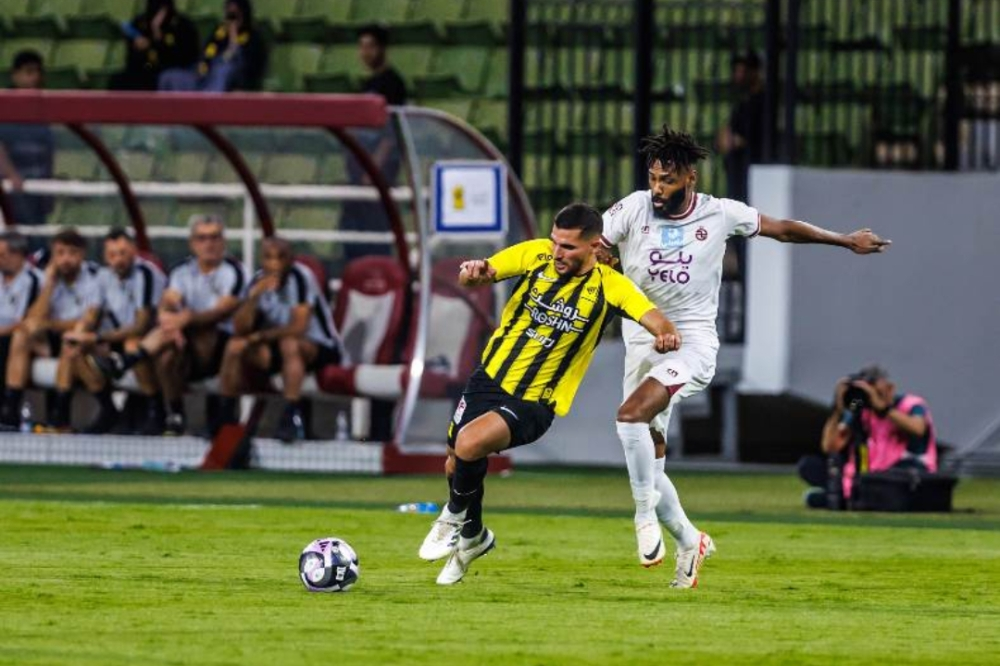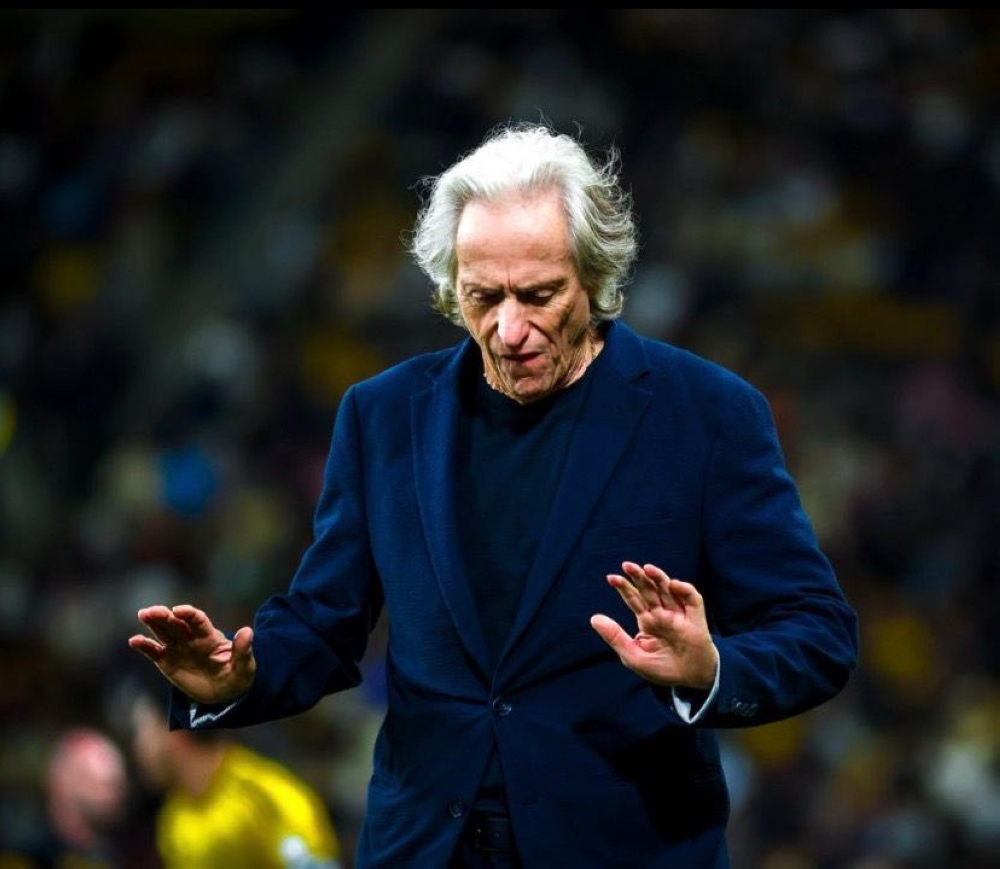
Disciplinary and Ethics Committee issued strict and deterrent penalties against Portuguese coach Jorge Jesus, following recent events and statements he made that were deemed offensive to Al-Hilal Club. This decision underscores the Federation's commitment to enforcing order and adhering to the regulations governing domestic competitions.
Details of the Disciplinary Committee's decision and the financial penalty
the Disciplinary Committee clarified that the penalty included a fine of 50,000 Saudi Riyals for the Portuguese coach. The fine was broken down as follows: 30,000 Riyals to be paid to the Saudi Arabian Football Federation, while the remaining 20,000 Riyals would go to Al-Hilal Club as compensation for the harm caused to the club by the coach's media statements. This action followed an official complaint filed by Al-Hilal's management, supported by evidence, expressing their firm rejection of any transgressions against the club and issuing a statement condemning Jesus's remarks.
Historical context and the impact of the rivalry in the Riyadh derby
This incident is particularly significant given Jorge Jesus's long and complex history in Saudi football. The veteran coach has previously had two stints managing Al-Hilal, achieving notable successes during both periods. His move to their arch-rivals, Al-Nassr (according to the news report), and his subsequent statements against his former club, have become a major talking point in the sports world. The Riyadh derby between Al-Hilal and Al-Nassr is considered one of the fiercest derbies in the Arab and Asian world, and the exchanges between the two camps are always under intense scrutiny, as they directly impact fan tensions and heighten the rivalry.
The importance of the Disciplinary Committee's decisions in regulating the sports scene
The Disciplinary Committee's intervention at this time is crucial to reinforcing the principles of sportsmanship and mutual respect among all stakeholders in the game, including coaches, players, and administrators. With the tremendous development of the Saudi League and its attraction of international stars, it has become essential to rigorously enforce regulations to ensure the league maintains a professional image on the world stage. Such decisions are not solely aimed at imposing financial penalties, but also at regulating media conduct and preventing any transgressions that could negatively impact the reputation of Saudi football regionally and internationally, emphasizing that the law applies to everyone without exception.