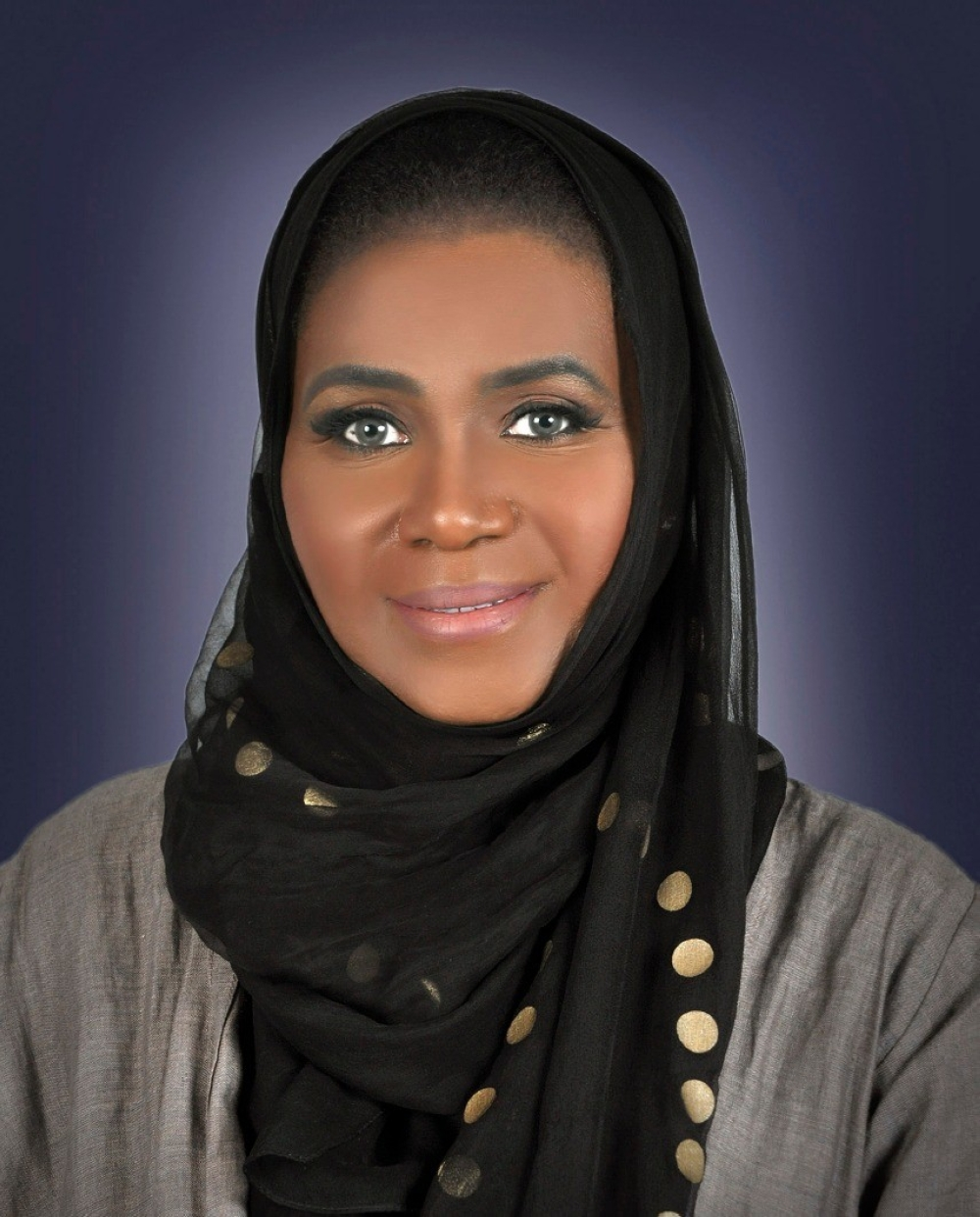
In an in-depth analytical reading of the reality and future of education in the Kingdom of Saudi Arabia, Dr. Haifa Al-Barqawi, an expert in digital transformation strategies, confirmed that integrating technology into the educational system has gone beyond being a recreational or supplementary option, to become a fundamental existential pillar to ensure fairness and equal opportunities for all students.
The context of digital transformation in the Kingdom
Al-Barqawi’s statement is in line with the qualitative leaps achieved by the Kingdom in international digital education indicators, as digital transformation is no longer just a response to emergency circumstances, but has become an integral part of the infrastructure of the Kingdom’s Vision 2030. This strategic direction aims to build a globally competitive knowledge society, where technology contributes to bridging the gap between educational outputs and the requirements of the evolving labor market, thus enhancing the Kingdom’s position as a regional center for innovation and smart education.
Technology as a tool for social justice
Dr. Al-Barqawi described the digital transformation as a "qualitative leap" that has reshaped the landscape of education, transcending traditional geographical barriers. She explained that digitization has redefined the concepts of "distance" and "opportunity," making quality education truly accessible to everyone, whether in major cities or remote villages, transforming the virtual world into a sustainable classroom open to global knowledge resources at any time.
Humanizing the content and the role of the teacher
In response to concerns about the decline of educational values in the face of screen dominance, Al-Barqawi stressed the need to "humanize digital content." She emphasized that technology is designed to be a supportive tool that expands the teacher's impact and does not eliminate their pivotal role as a leader in the educational process and a guide to behavior. She called for the integration of ethical and behavioral values into educational algorithms, including promoting respect for intellectual property, combating cyberbullying, and training in critical thinking to filter out misinformation.
Family partnership and the future of education
The educational expert considered partnership with the family to be the cornerstone of this system's success, pointing to the importance of building "digital literacy" in children to ensure a balance between virtual life and family life. Regarding the future of education, Al-Barqawi painted an optimistic picture relying on artificial intelligence and augmented reality to provide "tailored education" that suits each student's individual abilities, moving away from traditional rote learning methods.
National identity in the digital age
Al-Barqawi concluded her vision by emphasizing that modern technology is the ideal incubator for national identity, calling for the investment of augmented reality technologies to present the cultural heritage and the Arabic language in a modern and attractive style, consistent with the goals of Vision 2030 in producing a conscious generation that is proud of its identity and possesses the tools of the age.