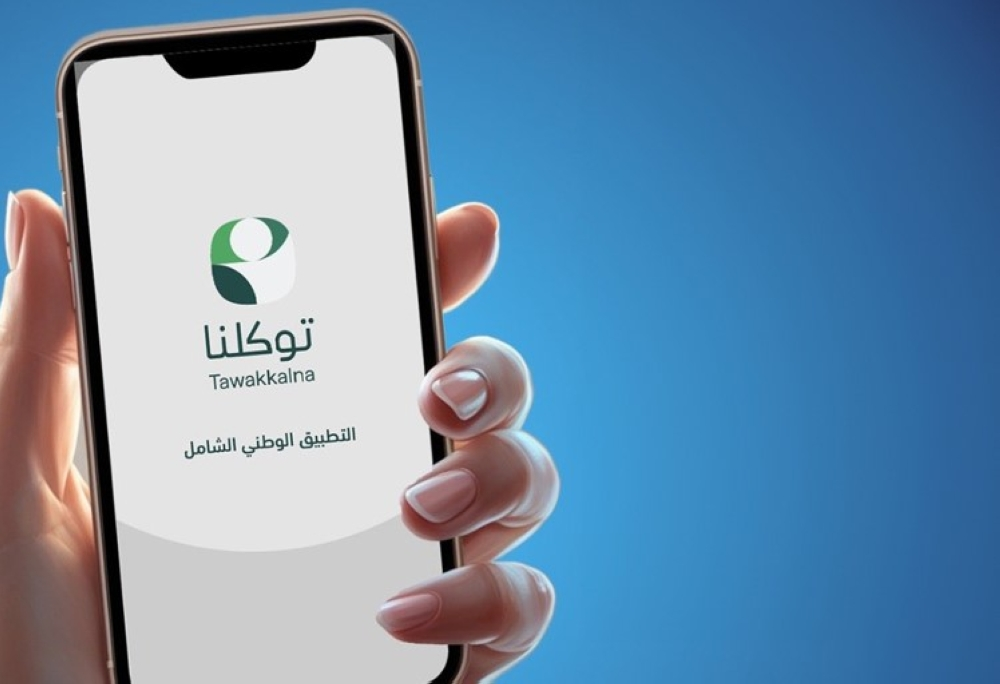
The holy city of Mecca is witnessing unprecedented development, with digital technologies a pivotal role in transforming services for pilgrims, Umrah performers, and visitors. This integrated system relies on cutting-edge technological solutions to facilitate rituals, manage crowd flow, and enhance the quality of services provided both inside and outside the Grand Mosque. This transformation reflects the Kingdom of Saudi Arabia's commitment to harnessing innovation for the comfort of those visiting the holy sites.
A historical development towards the smart campus
Historically, the Hajj and Umrah pilgrimages have faced significant challenges related to transportation and managing the millions of pilgrims. In past decades, efforts relied primarily on direct human organization and successive architectural expansions of the Grand Mosque. With global technological advancements, the Kingdom recognized the necessity of integrating technology into the infrastructure of the holy sites. Mecca has shifted from relying on traditional methods to adopting integrated smart systems, making it one of the smartest cities in the world in terms of crowd management, and establishing a unique model that blends the spirituality of the place with modernity.
The “Nusk” app: The comprehensive portal for Umrah pilgrims
Smart applications have become an integral part of the Umrah pilgrimage. The “Nusk” app, overseen by the Ministry of Hajj and Umrah, stands out as a key platform for organizing this spiritual journey. The app allows users to issue Umrah and visit permits, manage trip details, and view available service packages. It also provides detailed guidance to help pilgrims easily plan their travel between Makkah and Madinah, from initial planning to completion of the rituals.
Mobility platforms and robots at the service of pilgrims
To ensure smooth movement within the Grand Mosque, the General Authority for the Care of the Two Holy Mosques launched a unified mobility platform. This platform allows for the electronic booking of carts for Tawaf and Sa'i, facilitating access for the elderly and people with disabilities to the ritual sites. In a related development, multi-tasking smart robots have been introduced into the Grand Mosque's courtyards. These robots provide religious rulings and guidance in several languages, in addition to continuous sanitization robots that enhance health and safety, reflecting a safe and advanced operational environment.
The impact of digital technologies in Mecca at the regional and international levels
The impact of digital technologies in Mecca far beyond the local level, serving as a global model for crowd management. By leveraging artificial intelligence and big data analytics, operations rooms can monitor visitor flows in real time and proactively direct crowds towards less congested routes. This technological success reinforces the Kingdom's regional and international standing as a leader in harnessing technology for the benefit of humanity, and offers a unique case study for major cities facing the challenges of organizing mass events.
Vision 2030: Envisioning the future of pilgrims
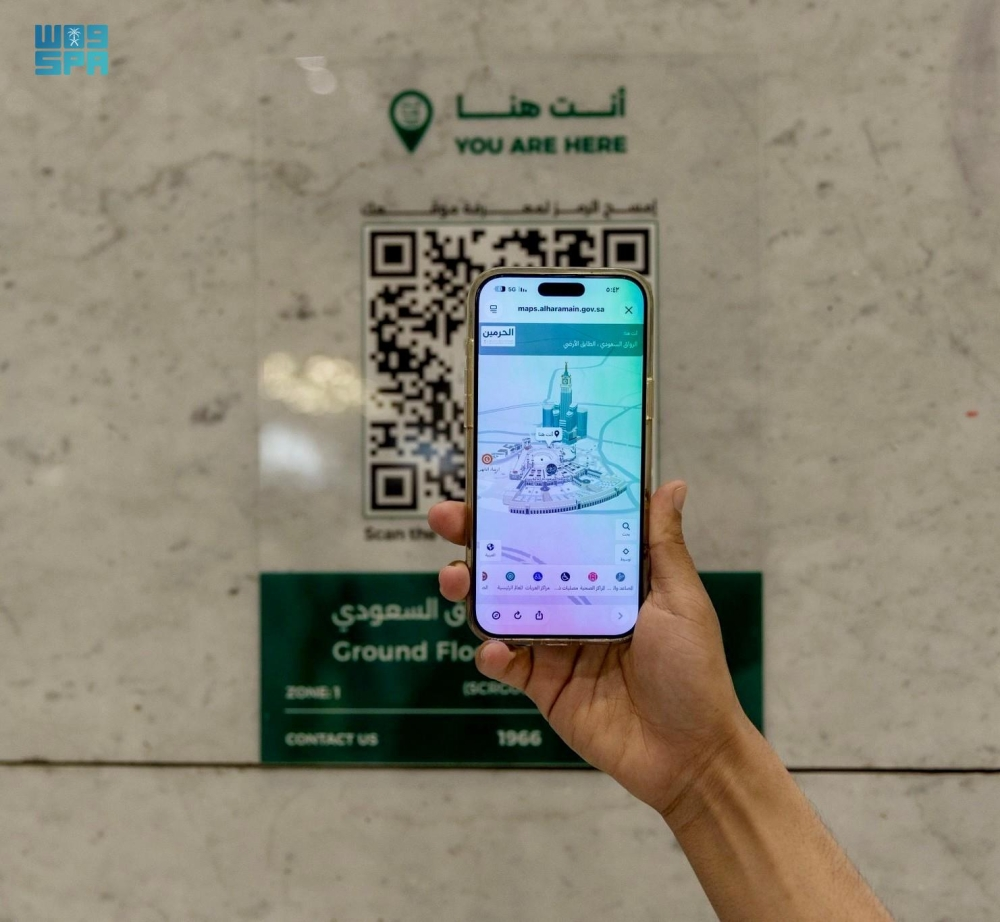
These successive technological achievements are a tangible realization of the objectives of the Guests of God Service Program, one of the most important programs of Saudi Vision 2030. The program aims to enrich and deepen the Hajj and Umrah experience, while increasing the capacity to receive 30 million pilgrims annually by 2030. To achieve this, the Royal Commission for Makkah City and the Holy Sites, in cooperation with relevant authorities, is working to develop a sustainable digital infrastructure that includes intelligent transportation systems, interactive maps, and multilingual signage. Thus, the pilgrim's journey becomes a spiritual experience enhanced by the highest standards of comfort and technological safety.