Developing economies are a major driver of the global economy
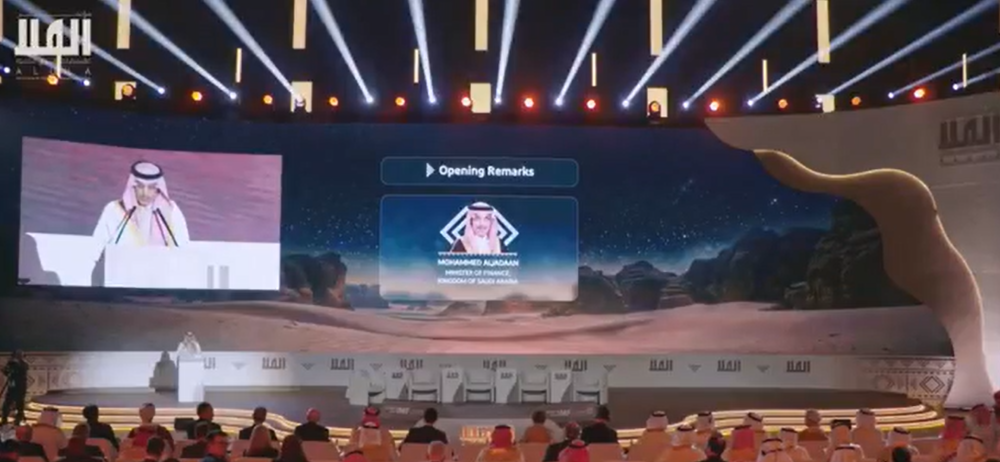
Saudi Finance Minister Mohammed Al-Jadaan emphasized the pivotal role of developing economies and emerging markets in the global economic landscape. In his opening remarks at the “Al-Ula Emerging Markets Economies Conference 2026,” Al-Jadaan explained that these economies now represent approximately 60% of global GDP when measured by purchasing power parity, and contribute up to 70% of global economic growth, highlighting a fundamental shift in the global economic balance of power.
Historical context: The rise of emerging markets
This statement reflects a global economic shift that began to take shape in the late 20th century. After decades of dominance by advanced economies (the G7), countries like China, India, Brazil, and Russia, along with other economies in Asia, Latin America, and Africa, began achieving rapid growth rates. This rise has not only altered the global trade and investment landscape but has also reshaped international financial institutions, with increasing calls to reform the structures of the IMF and the World Bank to reflect the new economic weight of these nations.
Complex challenges to growth
Despite this leading role in driving growth, Al-Jadaan noted that developing economies face a complex global environment and a host of mounting challenges. Perhaps the most prominent of these is increased vulnerability to geopolitical shocks, as international tensions and conflicts directly impact the stability of these economies through fluctuations in energy and food prices and disruptions to supply chains. He added that the slowdown in global trade growth to half its pre-COVID-19 average presents an additional obstacle, limiting these countries' ability to export and achieve growth. The minister also highlighted the issue of rising debt, noting that more than half of low-income countries are already in debt distress or at risk of debt distress, which constrains their ability to invest in sustainable development and infrastructure.
The importance of the Al-Ula conference and the role of the Kingdom
Saudi Arabia’s hosting of this important conference in Al-Ula, in partnership with the International Monetary Fund, comes at a crucial time. Organizing this high-level event, which brings together economic policymakers, finance ministers, central bank governors, and leaders of international financial institutions, reflects the Kingdom’s growing role as a bridge between advanced and emerging economies, aligning with the goals of Saudi Vision 2030. The conference aims to provide a strategic platform for exchanging expertise and coordinating economic policies to address shared challenges, and to shape an action agenda that supports resilience, stability, and sustainable growth in emerging markets, ultimately contributing to the stability of the global economy as a whole.